The Manchester City case could become an early test of whether England’s new football regulator will use its ownership powers against one of the game’s most powerful clubs. Regulator chair David Kogan told MPs that the body would act if the Premier League’s findings against City are upheld on appeal.
A three-person Premier League commission found the club guilty of nearly all the charges brought against it. It concluded that between 2009 and 2018, City inflated revenues and concealed losses worth a combined £900 million through what it described as “sham” deals. The findings linked those practices to the club’s rise to the top of English football.
City denies wrongdoing and has appealed. The appeal has no fixed timetable, though it is expected to conclude early in the new year. If any or all of the findings stand, a separate hearing will determine sanctions, with significant sporting and financial penalties expected to be considered.
The regulator’s ownership powers
The Independent Football Regulator, established after the fallout from the European Super League plan, can investigate clubs and individuals and impose sanctions. It grants operating licences to clubs and can withdraw them. It can also require an owner it considers unsuitable to take reasonable steps to leave the club within a specified period.
That authority puts City’s ownership structure in focus. The club is owned by City Football Group, controlled by Emirati royal Sheikh Mansour through Abu Dhabi United Group. The Premier League commission found that ADUG money was used to inflate City’s revenues, a finding the club continues to dispute.
Speaking to parliament’s Digital, Culture, Media and Sport select committee, Kogan said the regulator would not make an exception for a prominent club. “Forget the name of the club, forget the size of the club, forget the scale of the issue,” he said. “We cannot simply ignore our statutory duties in relation to a club because it happens to be of a certain size.”
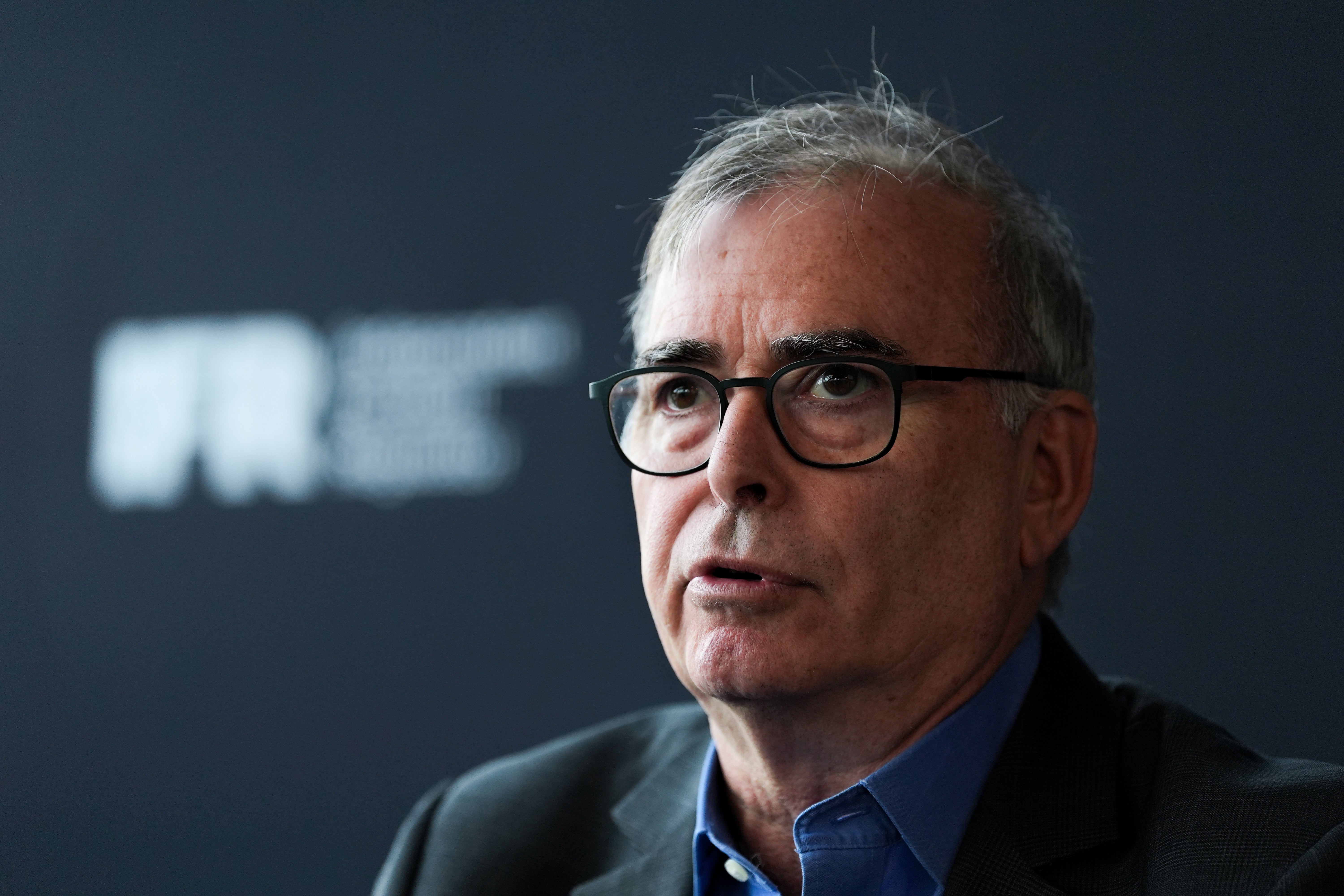
Kogan said any response would depend on the circumstances, including the commission’s evidence and the outcome of the appeal. He added that the findings had already been tested by the commission, and said the regulator would have “the stomach” to act if the conditions for intervention were met.
He acknowledged that the case had landed early in the life of an organisation that had been operating for less than a year. Still, he argued that failing to act when its statutory powers applied would call into question the purpose of having a football regulator.
A high-profile first test
The case carries added weight because of Abu Dhabi’s political and economic relationship with the UK. Some senior figures in English football also raised concerns about comments by prime minister Andy Burnham that appeared to play down the significance of the commission’s findings. Downing Street later said Burnham’s position was that nobody was “above the rules”.
City’s latest statement, issued on 2 October, said the club had filed a “comprehensive Appeal” against the commission’s opinion. It described the findings as containing “clear material errors, of law, principle and fact” and called them unsafe. The club said it was innocent and had evidence to support its case, adding that it would respect due process and could not comment further while proceedings continued.
The appeal will determine whether the regulator faces a live question about its licence and ownership powers. If the Premier League findings hold, Kogan’s pledge to act will put the regulator’s independence and authority under immediate scrutiny.