Omar Berrada isn't backing down. The Manchester United chief executive says five summer additions have made the squad "fundamentally better," even with the club sitting in the relegation zone. Plenty of supporters will hear that as spin, and the frustration is understandable. The argument still deserves a closer look than the anger allows.
I'd push back a little on the idea that this is pure public relations. Executives in Berrada's position have to defend the people doing the buying, and that's not the same as lying. Still, "fundamentally better" is a strong phrase to attach to a side in the relegation zone. It's the kind of claim that invites scrutiny, and it's fair to ask what it's based on.
Four managers in under three years
Context matters, and it's not kind to the club. Ineos bought a minority stake from the Glazer family at the start of 2024. Since then, United have hired their fourth permanent manager under the current ownership model in less than three years. Mauricio Pochettino replaced Michael Carrick, who had followed Erik ten Hag and Ruben Amorim into failed spells at Old Trafford. Pochettino's first game in charge came on Sunday at Liverpool.
Here's the thing about managerial churn: every change resets the squad's identity. Players have to learn a new system, and a new coach usually wants a tactical shape and a set of signings that fit it. That's a general pattern across football, not something unique to United. What stands out here is the frequency, and when the head coach keeps changing, the recruitment team is effectively building for a moving target.
That's why Berrada's comments about transfers can't be separated from the managerial history. A club that changes its approach every year or so will struggle to build a coherent squad, however much it spends. And yet the opposite argument, that the chief executive should be judged only on results, ignores that his job includes making the structure around the coach stable enough to work. (Most fans never see that part, and it's where a lot of the real accountability sits.)
The case for the recruitment
United spent almost £150m this summer, and the results have been poor enough to fuel fierce criticism from fans. Berrada's defence starts with the previous window. He pointed to the four players signed in summer 2025, who were widely praised and helped the club secure Champions League qualification. "You have to take it in the context of the last few years," he told Sky Sports.
That's a fair point, but it cuts both ways. Last season's successes were built on a different group of players, and a good window doesn't automatically carry forward into the next one. Berrada is asking to be judged on a longer timeline. That's a reasonable request from a chief executive, and a hard one to accept from a supporter watching the club sit in the relegation zone.
His bigger point is about money. Transfer fees, in his view, reached their highest inflation in this window, which makes disciplined buying harder. "We need to buy the right players for the right value at the right time in terms of what the squad needs," he said. That's a sensible principle. The problem is that it doesn't answer why the team looks so unbalanced on the pitch right now.
I'd agree that inflated fees make disciplined buying harder. Every club faces the same market, though, and the ones that cope usually know exactly which gap they're filling before the window opens. That's the part I'd want to see evidence of. "The right value at the right time" is easy to say and hard to measure from the outside, so you'll have to take it on trust until the results say otherwise.
Five names, one awkward omission
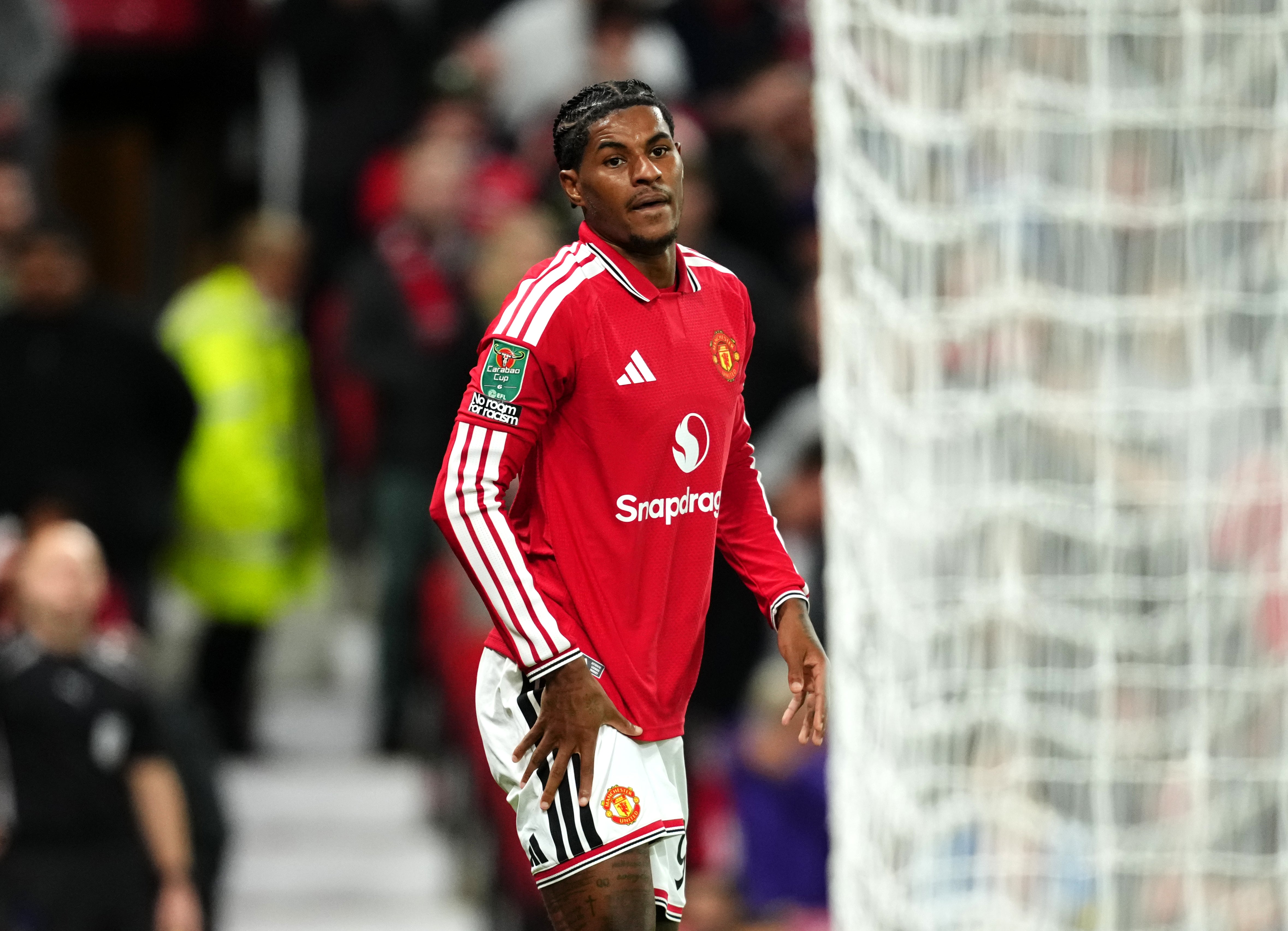
Berrada named Carlos Baleba, Youri Tielemans, Andrey Santos and Karl Darlow as new arrivals. He also counted the return of Marcus Rashford, who had a strong loan season at Barcelona. Rashford's influence since coming back has been hard to spot, so his inclusion is a bold choice to defend.
Here's where the count gets slippery. Four of the five are fresh signings, while Rashford is a return, and a return carries different expectations. Counting him is generous, and it inflates the sense of investment without adding a player the team can lean on right now. The number "five" sounds more decisive than the facts behind it.

The midfield logic is more persuasive. Casemiro's departure removed a senior figure, and Manuel Ugarte suffered an ACL injury. "When we started the transfer window, we really only had Kobbie Mainoo as our midfielder," Berrada said. "So we wanted to reinforce that, and we did it." Fixing a hole that exposed is a real achievement, but it only counts if the new players start winning games.
The injury matters here. ACL injuries typically keep players out for a long stretch, which means the squad had to plan around an absence rather than a short knock. Losing an experienced presence and a regular option in the same period would strain almost any side. Berrada's admission that Mainoo was effectively the only midfielder at the start of the window is a striking one, and it says more about depth than any spending total.
What happens next
Here's the thing: the CEO's claim will be judged on the pitch, not in interviews. Pochettino now has to turn these signings into results before the relegation picture hardens. That's a tight timeline, and there's little room for a slow start to be treated as a learning period.
If the five new arrivals lift the team, Berrada's framing will look prescient. If not, the spending will be hard to defend, and the questions about ownership and managerial stability will get louder. Neither outcome is settled. Still unproven.
If you're following the club closely, don't take either the praise or the anger at face value. Watch whether the midfield steadies, whether the new players settle into consistent roles, and whether the shape holds across several matches rather than one good afternoon. Those signals will tell you far more than any press conference.
I'm skeptical that five additions alone can reverse a season. I'm also not willing to dismiss the argument outright. The chief executive has made a specific claim, and that claim is now testable. That's the most useful thing this interview does.