Manchester United have spent years passing over managers who looked like the obvious fit. Mauricio Pochettino was on the shortlist more than once, and he was the second choice before, but his arrival at Old Trafford feels different. The club is 18th in the table, has not won a league game since August, and is in the relegation zone. Pochettino's answer is not a return to the club's past. It's a bet that the present squad can be rebuilt from the inside.
Looking forward, not back
Pochettino has little patience for nostalgia. "I don't think too much in the past," he said. "I think if we want to create something different and positive and the people feel proud about that, it's to build our own way." That line matters because it cuts against a pattern. Moyes, van Gaal, Rangnick, Solskjaer, Mourinho, ten Hag, Amorim and Carrick each tried to reset the club, and none of them stuck. Pochettino is aware of that history, and he is choosing to talk about the future instead of litigating the past.
The identity he describes does owe something to the Ferguson years, even if he never names them. His emphasis on structure, intensity and a clear idea of how the team plays looks more like the old United blueprint than the transitional approaches that followed. Still, the core of his pitch is forward-facing. He wants to build something that players and supporters can recognise as their own.
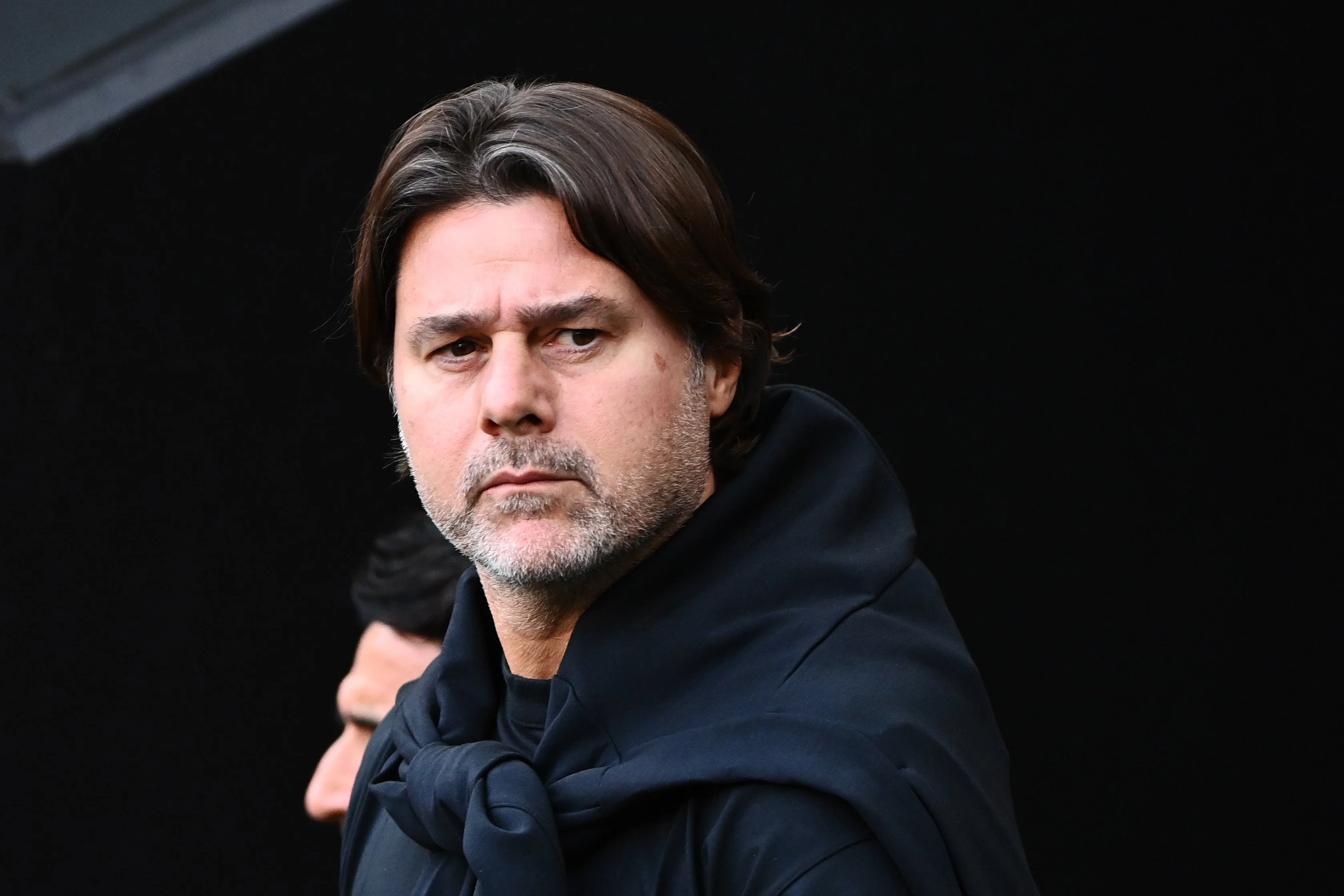
He also came straight from the international game, where he was in charge of the United States. His final match was in Cincinnati on Tuesday, followed by a transatlantic night flight. His first priority, he admitted with a smile, was sleep. Then he got back to what he clearly prefers. "I think we are animals of the grass," he said. Pochettino has never been happy with the stop-start rhythm of international management, and a club job with daily training is where he wants to be.
Adapting on the fly
Taking over mid-season is a hard job. United have a packed fixture list, and there is little room for a long pre-season reset. Pochettino knows this, and his phrasing was careful. "Our job is to adapt," he said. The tactical shape may not change overnight, and the early results could reflect compromise. That is the realistic read, and it's the one Pochettino seems to be working from.
His coaching record gives him a reason for optimism. Pochettino's teams have historically been built on running, and they often cover more ground than their opponents. United's current side has been the opposite. Only Liverpool, who visit Anfield on Sunday, have covered less distance in the Premier League this season. That gap is a clear target, and Pochettino was candid about the work ahead. "I think the training session was a little bit longer than it normally is in [matchday] minus two," he said, a small detail that signals how much he wants to raise the physical baseline.
On the data, Pochettino pushed back on the idea that the numbers tell the whole story. "We cannot talk about things without context, and data is about context," he said. "If you don't put context on the data, I think it's very dangerous to talk and I think it's easy to manipulate the data, but it's true that sometimes data shows something that you can see on the field." He is right that a running stat without tactical context can mislead. He is also not dismissing the numbers. He wants to improve them "in every single area of the field," which suggests the metrics will be part of his coaching, not just his defence.
Pochettino's take on the running statistics is worth reading alongside the broader concern. The numbers that need fixing go well beyond distance covered. United have won just one league game, their defensive record is the third worst in the division, and this start is their worst in four decades. Pochettino does not deny any of it. He argues that the commitment he has seen from the players since day one gives him something to build on. "The commitment from all the players that we were chatting with was amazing from day one," he said.
Talking to the squad, and keeping the captain
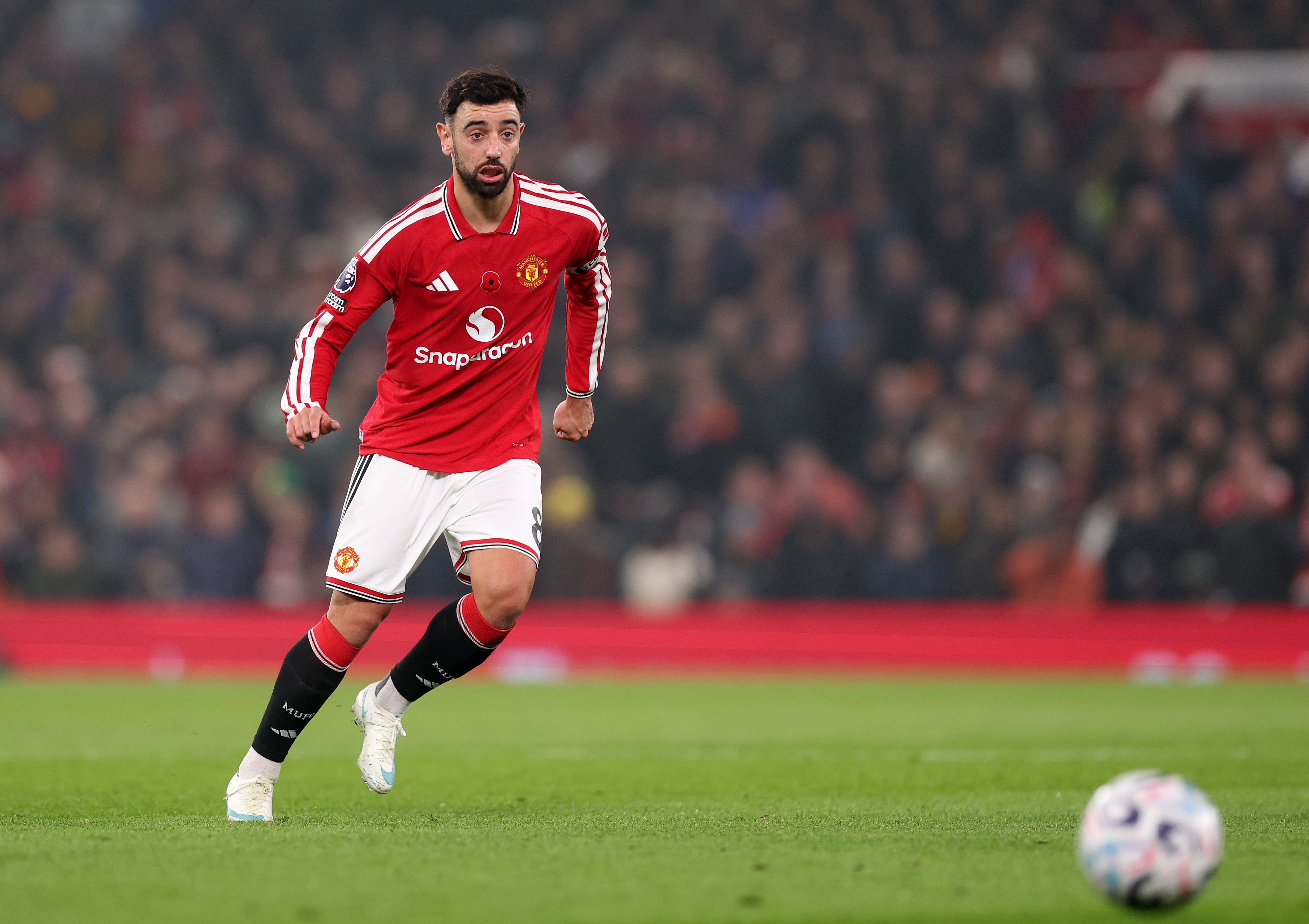
Pochettino spent three hours in his office on Thursday speaking to players individually, and he used the time to decide where things stand. One call has already been made. Bruno Fernandes stays as captain, a decision that signals continuity while the rest of the structure is reworked. Keeping Fernandes in the armband makes sense. He is the player who most directly links the current squad to the expectations of the Old Trafford crowd, and a new manager needs someone on the pitch who understands both.
The bigger question is confidence. For much of the last 13 years, United players have looked more intimidated than liberated. The weight of the shirt is real, and it shows in the body language on the pitch. "The important thing is to find a way, through our experience, to create that platform for them to express their talent," Pochettino said. He frames pressure as fuel. "We need to transform that pressure into energy," he added. Whether that's a practical message or a motivational slogan will depend on what happens in the next few weeks.
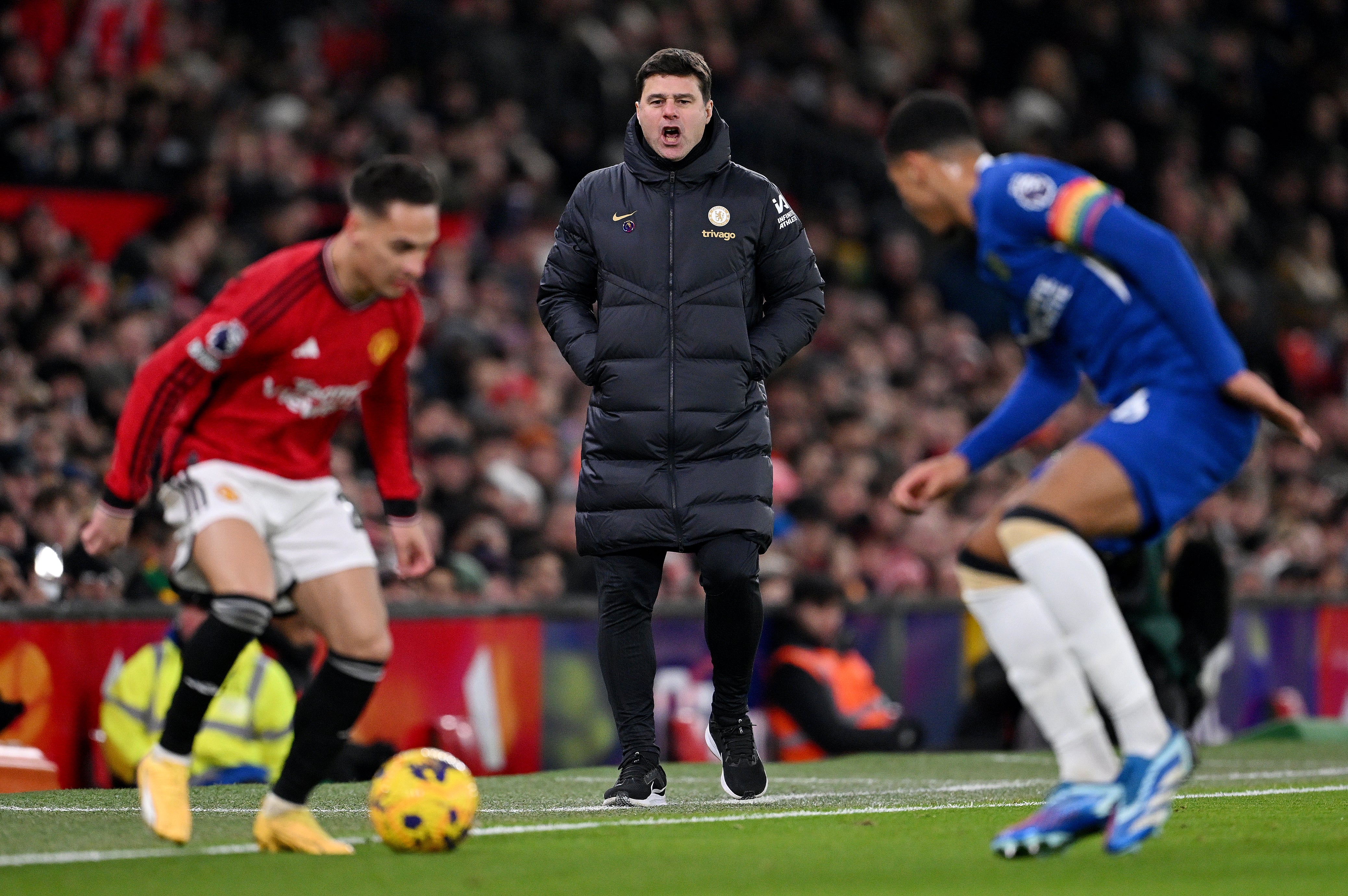
On the pitch, he wants a team that attacks. Carrick's final two games offered a glimpse of what that can look like, even if they were chaotic. United beat Roma 3-2 and drew 4-4 with Aston Villa, scoring seven goals in five days. Those results were not about control, but they showed a side willing to play forward. Pochettino seems to see that as a starting point. "We found a group of players that we proposed to do the football that we feel: being brave, being Manchester United," he said.
What the club is, and what it needs
One of the unresolved questions of the post-Ferguson era is what Manchester United actually stands for now. Pochettino has a clear answer. "I think the culture of the club and the identity of the club is very clear," he said. "It's an historic club with amazing years competing and being one of the best clubs in the world. It's difficult to find another club the size of club that is Manchester United." He is right about the scale. Few clubs have United's global reach, and it's hard to square that with a squad sitting in the relegation zone.
That gap is partly a recruitment problem, and it's where Pochettino's contract terms become interesting. He has a two-and-a-half-year deal and wants a real say in transfers. "In the future, I would like to be involved in all the main decisions that will happen on the squad," he said. For a club that has churned through managers and sporting structures, a coach with that level of influence would be a notable shift. Whether United grant it in full will say a lot about how serious the club is about this reset.
So what does Pochettino's plan actually look like? It rests on three things: a clearer identity borrowed from the club's history, a fitness and running standard his teams have always delivered, and a squad that plays with less fear. None of those ideas are new, and each depends on execution. The short-term test begins at Anfield on Sunday, against a side that will be the benchmark for the distance and pressing he wants. My read is that Pochettino is betting he can turn a group that looks tired into one that looks ready. The early evidence will come quickly.