Andy Robertson will draw level with Kenny Dalglish on 102 Scotland appearances when he captains the national side against North Macedonia at Hampden on Friday. Robertson has framed the occasion as a tribute to Dalglish, whose caps record has stood for decades, rather than a celebration of his own standing.
“Tomorrow’s not really about me,” Robertson said. “It’s about him in my opinion.” He described Dalglish as one of football’s greatest players and Scotland’s greatest, and said the milestone gives the country another reason to recognise his legacy. That choice of emphasis is telling: the number is Robertson’s achievement, but he sees its meaning in the history it connects him to.
A record shaped by a different era
Robertson spoke on the 40th anniversary of Dalglish’s final Scotland match, a 3-0 win over Luxembourg. Dalglish played that game during his second season as Liverpool’s player-manager, balancing club responsibilities with international duty. The date gives Friday’s milestone a clear point of reference, while the demands of Dalglish’s role help explain why the same total can carry different weight across generations.
Caps records are shaped by opportunity as well as longevity. The number on a player’s record is easy to compare; the conditions that produced it are harder to reduce to a single figure. Dalglish often reminds Robertson that reaching 102 caps was harder when fewer international matches were played. Robertson said he’ll stand level with Dalglish in the numbers, but wants people to remember the former captain’s importance to Scotland.
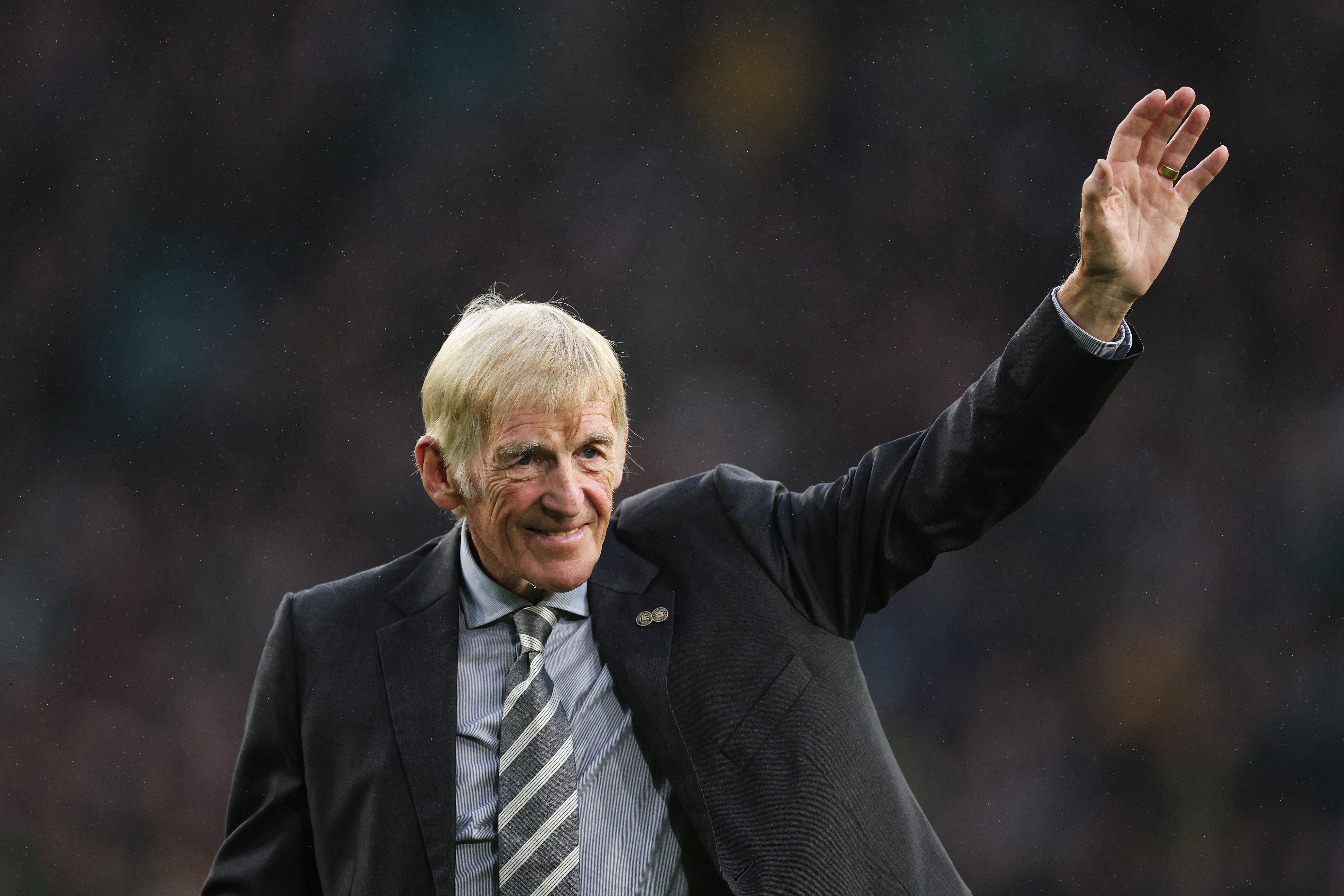
A lasting connection between the two captains
Dalglish has joked that he hopes Robertson retires before taking the record outright. The tease gives the impending change a personal edge, but it sits alongside a close relationship. When Robertson became Scotland captain, Dalglish was among the first to offer support and a sounding board. For a player taking on the responsibilities of leading his country, that kind of encouragement can matter beyond the formal title.
Robertson said Dalglish and his family helped his own family, particularly during his time at Liverpool. He expects the pair to exchange messages around the milestone and says he knows Dalglish is proud of what he’s achieved. The record is public, but the relationship behind it is more private: it’s built through support over time, not just a shared place in the appearance list.

Robertson still has goals for Scotland
Robertson is expected to move past Dalglish in Switzerland on Monday. He says he remains eager to help Scotland qualify for another major tournament and progress beyond the group stage. The sequence matters: equalling a historic record is a landmark, but Robertson’s own measure of success still appears tied to what the team can accomplish next.
He also wants to leave the squad with strong young players, character and a winning mentality. That’s a broader ambition than accumulating appearances; it points to the influence a captain hopes to have after his own playing days. If you’re following Scotland, the question is whether those qualities can help turn qualification into a deeper tournament run. Robertson says that if Scotland reaches that point, he may be able to enjoy matches from the stands and celebrate alongside the fans.
What the milestone means for Scotland
This is more significant than it looks. A record appearance total can become a tidy headline, but Friday’s occasion links a current captain to a figure Robertson regards as central to Scotland’s football history. The comparison also invites a useful distinction: equal numbers don’t make careers identical, especially when players served in different eras and carried different responsibilities.
And yet the record will soon change. Robertson is expected to pass Dalglish in Switzerland, giving Scotland a new leader in appearances while leaving the older mark intact as part of the story. That handover may draw attention to Robertson’s longevity, but his own comments keep returning to the team, the next generation and the standard set by his predecessor. The record itself is only one measure. The harder legacy to assess is what Scotland does with the experience and leadership its captain wants to leave behind.