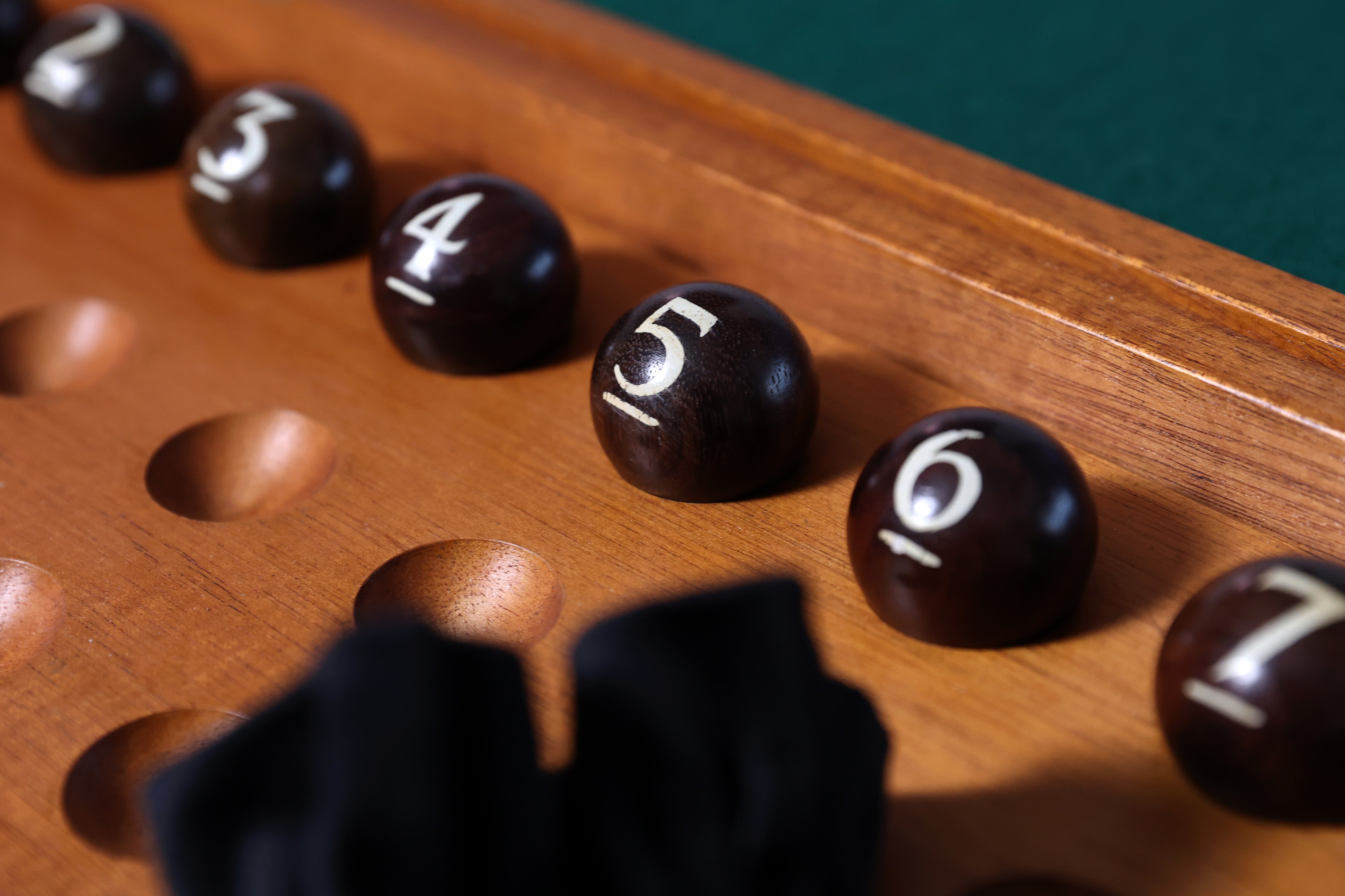
The FA Cup’s second-round draw will set 20 ties on the road to the third round, when Premier League and Championship clubs enter. It takes place on Monday 9 November, with 40 teams represented by numbered balls. Each number will be matched with another to form a tie, turning a list of names into a schedule that can reshape a club’s season in a few moments.
The second round sits at a useful point in the competition. Clubs from different levels of the English game are still in contention, while the arrival of the top two divisions remains just beyond the next set of fixtures. That makes this draw a chance for lower-league sides to move closer to a high-profile third-round match, though nobody can know which opponents will be available until the next stage is reached.
Draw time and UK coverage
TNT Sports coverage begins at 6.30pm GMT. The draw is expected at about 6.45pm, ahead of the first-round match between Plymouth Parkway and Berkhamsted, which kicks off at 7.30pm. The sequence matters: that final first-round result will decide which of the two clubs takes the remaining place in the second-round draw.
UK viewers can watch on TNT Sports 1, HBO Max or the TNT Sports YouTube channel. The Plymouth Parkway–Berkhamsted winner will also claim a place in the second-round draw. Viewers tuning in before the match should therefore expect the draw to include one entry that’s still listed as a choice between two clubs.
Here’s the thing: the draw is only the start of the next stage, not a guarantee of a particular route through the cup. A favourable-looking pairing can still become difficult once the match is played, and the names in the draw don’t tell you how form, injuries or home advantage will affect the outcome. The ball numbers make the process easy to follow; they don’t make the football predictable.
Teams in the draw
First-round results have already produced several notable non-league wins. Kidderminster Harriers beat Doncaster 3-0, Carlisle United edged Salford City 1-0, and Barrow won 1-0 at Gillingham. Those results show how quickly the cup can create a gap between pre-match expectations and what happens on the pitch. A single goal can settle a tight tie, while a three-goal margin can turn an apparent mismatch into a clear result.
Seventh-tier Guiseley also knocked out National League side Sutton United, while Bradford City beat Marine FC 7-0. The Guiseley result is the kind of upset that gives the early rounds their particular tension: clubs from different levels meet before the competition’s biggest teams arrive, and the lower-ranked side gets a direct chance to test itself. Bradford’s win tells a different story, with a decisive scoreline marking a comfortable passage onward.
Leicester City, the 2021 FA Cup winners, progressed past sixth-tier Oxford City. Bristol Rovers also advanced after beating Cambridge United. Leicester’s presence brings a recent winner into the draw, while the results elsewhere underline the range of clubs still involved. The list includes established league teams and non-league sides, each with a different measure of what progress would mean.
Plymouth Parkway and Berkhamsted are the final first-round teams to play before the draw. Until their match is settled, the second-round entry remains unresolved. That small wait is a reminder that a cup draw can be broadcast before every place is settled, with the final result filling in one part of the picture later that evening.
FA Cup second-round ball numbers
The draw will feature these 40 entries. Where a first-round tie remains to be played, both possible teams appear against the same number; the winner will take that place. Once the draw begins, those numbers provide the simplest way to track which clubs have been paired.
1. Dover Athletic
2. Mansfield Town
3. Exeter City
4. Luton Town
5. Bristol Rovers
6. Oldham Athletic or Sheffield Wednesday
7. Kidderminster Harriers
8. Leyton Orient
9. Wycombe Wanderers
10. Milton Keynes Dons
11. Newport County
12. Rotherham United
13. Barnet
14. Rochdale
15. Barnsley
16. Plymouth Parkway or Berkhamsted
17. Chesterfield
18. Barrow
19. AFC Fylde
20. Crewe Alexandra
21. Stevenage
22. Burton Albion
23. Cray Wanderers or Stockport County
24. Port Vale
25. Cheltenham Town
26. Colchester United
27. Eastleigh
28. Reading
29. Wimborne Town or Crawley Town
30. Plymouth Argyle
31. Blackpool
32. Sutton United
33. Grimsby Town
34. Leicester City
35. Bradford City
36. York City
37. Notts County
38. Wigan Athletic
39. Carlisle United
40. Salisbury
When are the second-round matches?
The 20 ties are scheduled for the weekend of 5–6 December. The third-round draw is expected to follow on Monday 7 December, ahead of the Premier League and Championship clubs joining the competition. That timing gives the second-round winners a short stretch of cup football before the field expands for the next draw.
For the clubs involved, the immediate task is more practical than romantic: prepare for the opponent drawn and get through the tie. A place in the third round can bring a meeting with a club from the top two divisions, but that possibility depends on winning first. This is more significant than it looks for teams whose cup run is one of the season’s clearest chances to attract attention beyond their usual supporters.
What the draw could mean
The second round is a hinge in the competition. The draw offers a route toward the third round, but it also sorts clubs into very different short-term prospects: some will see a plausible path onward, while others may face a demanding test straight away. If you're working in this space, the useful question isn't simply which club gets the most attractive tie; it’s which sides can turn a promising draw into a result on the day.
And yet. A cup run is built one match at a time, and a list of ball numbers can’t answer the questions that matter once play starts. The schedule, the venue and the performance will determine whether any particular pairing becomes a springboard or a brief stop. The draw provides the next set of possibilities; the teams still have to earn what follows.