Manchester United’s handling of a highly rated academy forward may soon cost the club one of its brightest prospects. JJ Gabriel has reportedly chosen Real Madrid, with personal terms agreed and a move to the Spanish capital expected in January, though the clubs haven’t held talks. That gap matters: a player’s reported preference and an agreement on personal terms don’t settle the practical details of a transfer, and the account leaves the clubs’ position unresolved.
The 16-year-old told United in September that he wanted to leave. His representatives have also been in contact with major European clubs, including Bayern Munich and Barcelona, suggesting the interest extends beyond Madrid. Gabriel is believed to hold an EU passport, which would allow him to move at his age; United would be entitled to compensation for losing a homegrown player. The report gives no figure for that compensation, so the immediate sporting question is clearer than the financial one: whether United can keep a player whose next step has become a point of disagreement.
A disagreement over development
Gabriel remains registered with United’s academy until the end of the season, but he hasn’t trained since a dispute with the club’s hierarchy over his development. That leaves a gap between his formal place in the academy and his day-to-day involvement. In youth football, that distinction can matter: registration preserves a connection to the club, while training and match opportunities shape how a prospect develops.
The disagreement centers on United’s cautious approach to his exposure at a young age. His family were unhappy with his limited role in pre-season and his absence from first-team duties, as well as his exclusion from Champions League matches this season. Those omissions appear to have become evidence, for the family, that the club’s timetable doesn’t match their expectations. A club, by contrast, may see restraint as a way to avoid placing too much pressure on a teenager. The tension is familiar in elite academies: ambition often points toward faster promotion, while development plans tend to account for readiness and the demands of senior football.
United manager Michael Carrick addressed the situation in September, saying the club had to consider the young player’s “welfare, their wellbeing, their exposure.” That is a defensible principle, but it doesn’t answer the family’s complaint about opportunity. The difficult part is deciding what responsible exposure looks like when a player is already attracting attention from clubs that may offer a different path.
Why Madrid is pursuing him
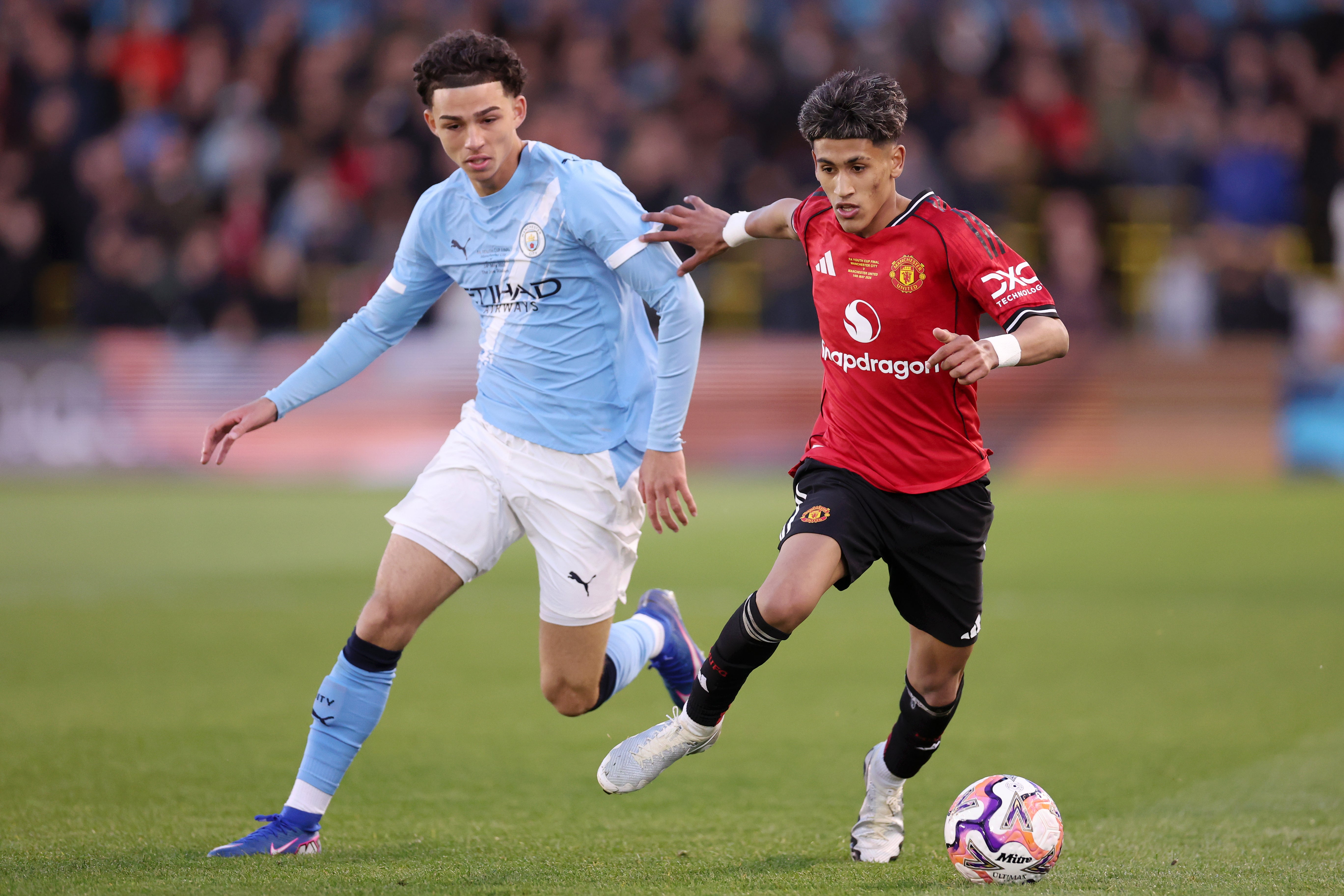
Gabriel’s reputation has grown through prolific performances at youth level. He scored more than 20 goals for United’s Under-18 side last season, becoming the youngest winner of the club’s Jimmy Murphy Young Player of the Year award. He was also named Under-18 Premier League Player of the Season. Those honors explain why his development has drawn attention, though youth scoring records can indicate promise without guaranteeing how a player will adapt to senior football.
Primarily a left winger or No. 10, Gabriel grew up in London and spent time in the academies of Chelsea, Arsenal, West Ham and Queens Park Rangers before joining United at 11. His route through several youth systems gives context to the competition for his signature: clubs have had reason to assess him over time, and his move to United was itself a major step in his development.
He first drew wide attention at eight, when a YouTube video of his skills earned him the nickname “Kid Messi.” The label is vivid, but it also shows how early public attention can turn a young player into a story before he has had time to establish himself in the senior game. That can raise expectations for everyone involved, including the player, his family and the academy trying to manage his progress.
His footballing name is JJ Gabriel; his full name is Joseph O’Cearuill. His father is former Ireland international Joe O’Cearuill. The family’s perspective is therefore central to a dispute that may determine where Gabriel trains and plays next. And yet, the available account doesn’t spell out what development plan United offered or what role Madrid might provide.
What the dispute could mean for United
If the reported move proceeds, United will lose a highly decorated academy player and receive compensation, though the terms and amount aren’t specified. The departure would also put the club’s approach to youth promotion under scrutiny. This is more significant than it looks: elite academies are judged not only by the players they produce, but by whether those players and their families believe the route to senior football is credible.
That doesn’t mean a club should rush a teenager into first-team duties to keep him happy. Gabriel’s age makes Carrick’s concerns about welfare and exposure relevant, and the report doesn’t establish whether an earlier promotion would have been appropriate. The harder question is whether United and Gabriel’s representatives could agree on a clear path that recognizes both the player’s record and the limits of his experience.
Here’s the thing: Madrid’s reported interest gives Gabriel another possible route, but the clubs haven’t held talks, so the move remains short of a completed transfer. If you’re working in an academy, the case is a reminder that careful development needs to be explained as well as planned. Good intentions alone may not persuade a family that a player’s opportunities are being handled well.
A promising career, still at its beginning.