A collision with lasting consequences
Andorra goalkeeper Jesus Owono says he is struggling to process the death of Tenerife striker Jesus de Miguel, who died after the two players collided during a Spanish second-division match. His statement puts grief at the centre of the story: he’s thinking about de Miguel and the people closest to him, while the circumstances of the collision have left both clubs and their supporters confronting an abrupt loss. A match situation that would ordinarily be remembered as one moment in a game has become something far harder to contain.
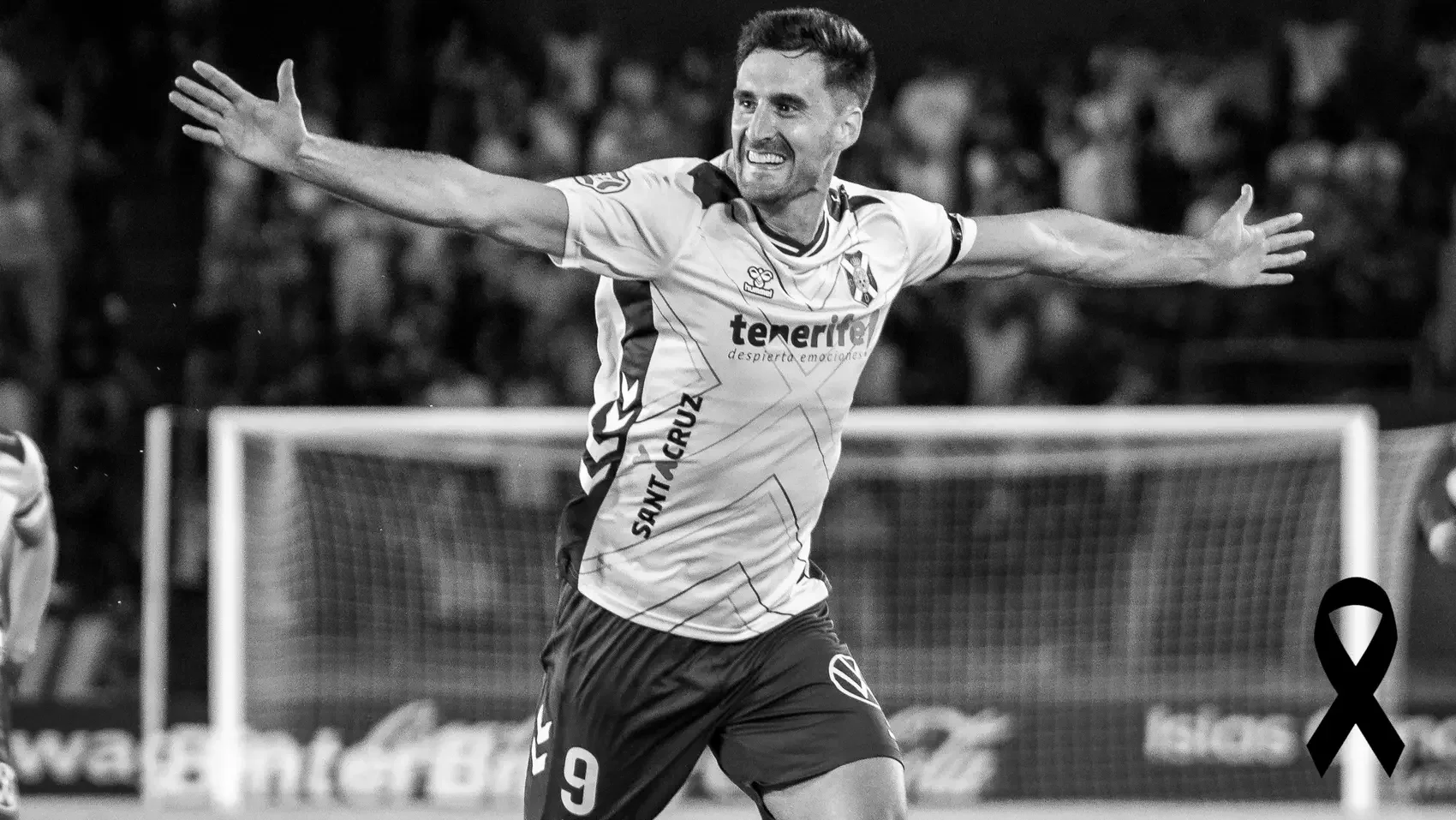
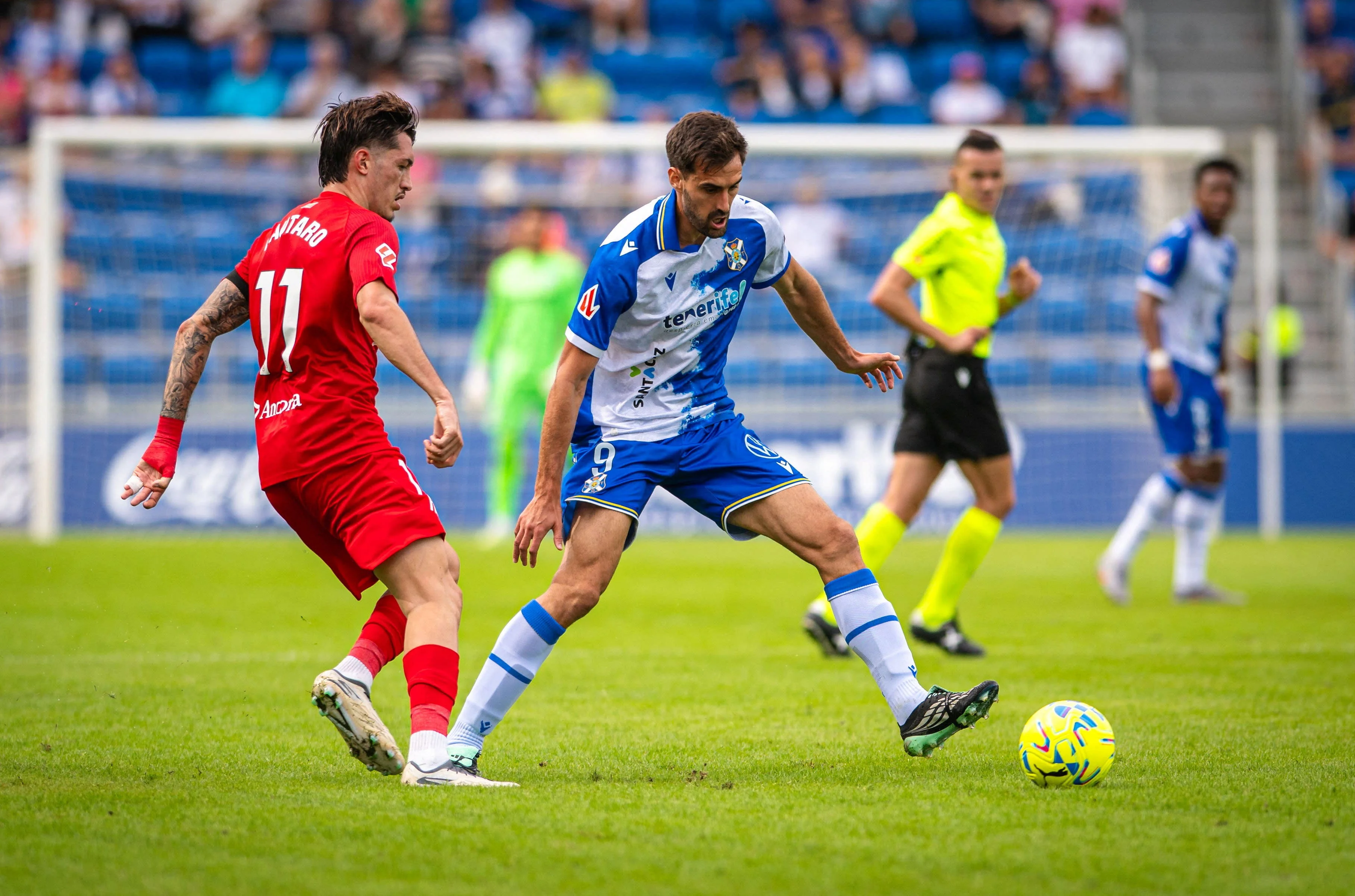
The collision happened in stoppage time on Monday, when Owono left his area to clear the ball. He struck de Miguel in the chest; the 30-year-old forward later suffered a cardiac arrest and died in hospital on Tuesday. Owono was sent off following the incident. Those details establish the sequence of events, but they don’t explain every medical or on-field factor behind what happened. The distinction matters: the outcome is known, while a complete account of the collision may take longer to emerge.
Owono’s statement focuses on grief
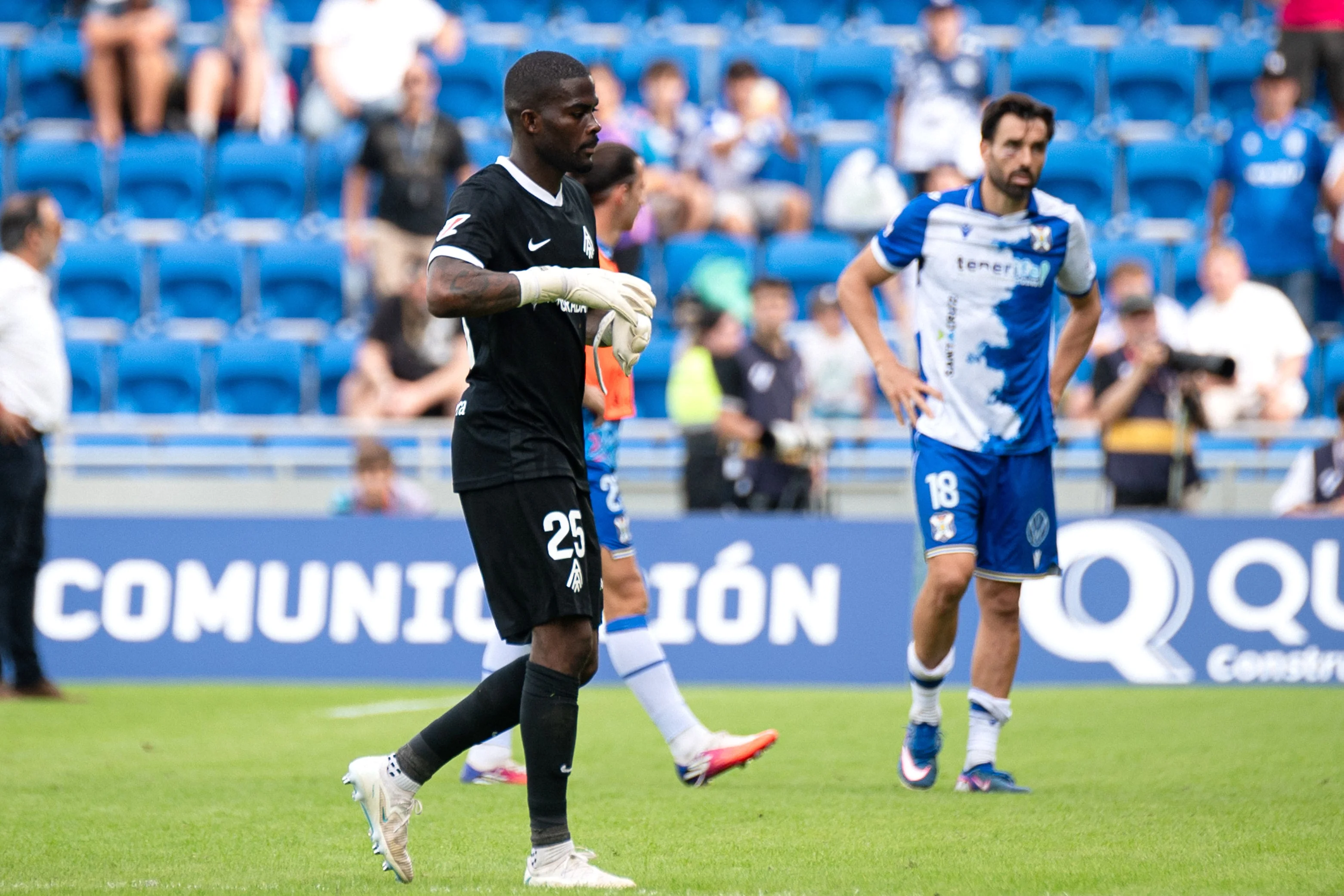
“These are the most difficult days of my life,” Owono, an Equatorial Guinea international, said in a statement issued by Andorra on Wednesday. “I’m struggling to find the words and finding it very difficult to process anything that has happened.” His words describe a response to an event whose consequences are still unfolding, rather than offering an account of the play itself. For a goalkeeper who was directly involved, the emotional weight is immediate and personal.
He said he was thinking of de Miguel, his family and everyone who loved him. Owono added that he would face the issues ahead “with the utmost respect,” but said he could think only of de Miguel and the pain caused by his death. He ended his statement: “Rest in peace, Jesus.” The wording is restrained, and that restraint makes the central point plain: Owono’s attention is on the person who died and the people now grieving him. There’s little in the statement that tries to explain or defend the incident.
This is more significant than it looks. In the first days after a fatal event on the pitch, public attention can turn quickly to blame, procedure and speculation. Owono’s statement instead reflects the immediate human reality of a death and the difficulty of making sense of it. That doesn’t settle questions about what happened; it shows how little a formal statement can resolve for someone living through the aftermath.
A club and its supporters mourn
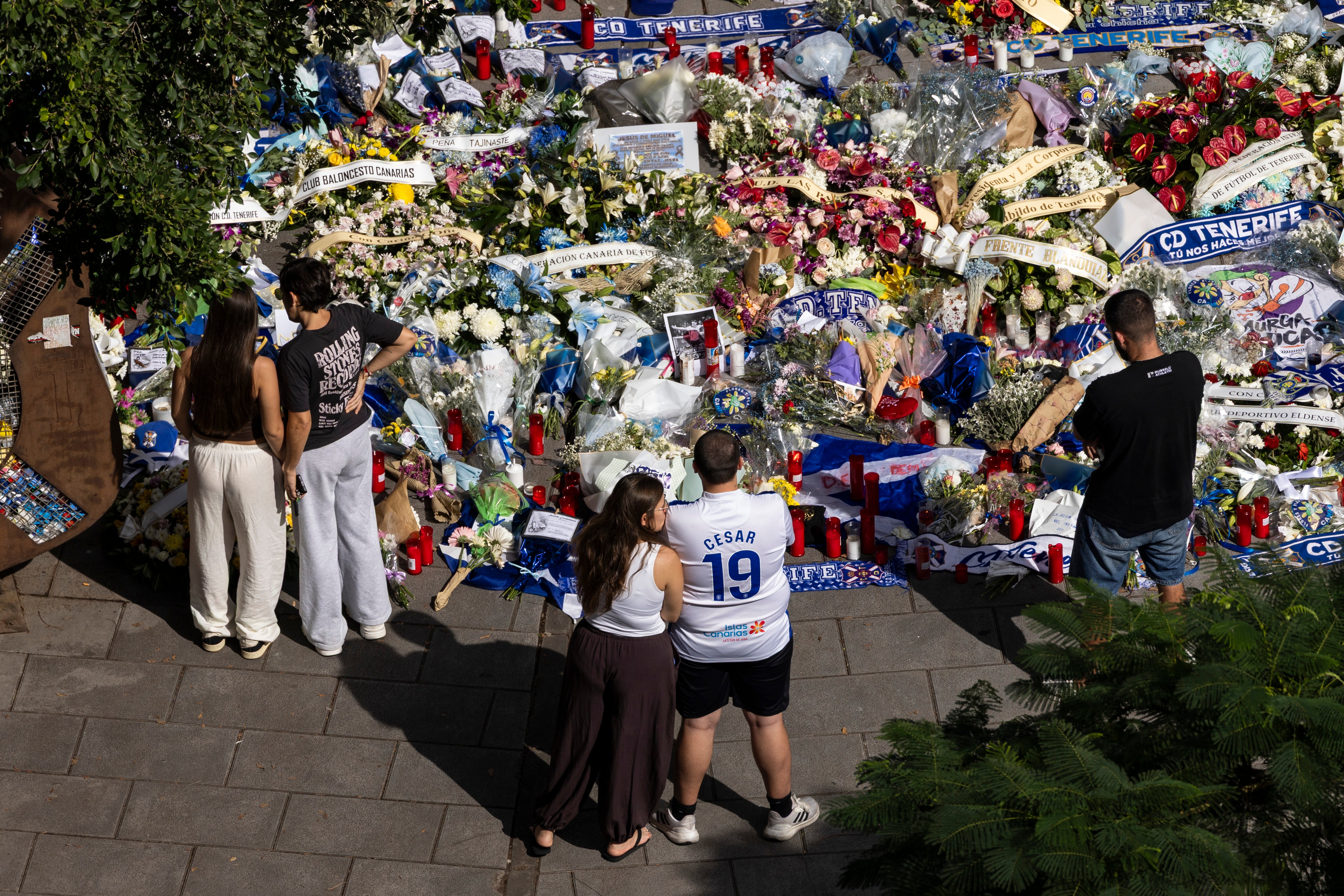
Tenerife has declared six days of mourning. Fans have gathered at the club’s Heliodoro Rodriguez Lopez stadium to leave tributes, and a memorial service for de Miguel is scheduled there for Saturday evening, with supporters invited to attend. The response gives supporters a place to mark the loss together, while the period of mourning signals how deeply the death has affected the club. A football ground usually associated with competition is now serving a different purpose: a shared place to remember a player.

Tributes reach beyond Tenerife
Tributes have also come from across football. A minute’s silence was held before Tuesday’s Champions League matches and is due before other Uefa fixtures this week. The observances carry the loss beyond the two clubs involved, reflecting how a death during a match can affect players, supporters and teams with no direct connection to the incident. A minute of silence can’t make sense of what happened, but it gives those gathered a shared way to acknowledge it.
Barcelona forward Raphinha, who scored twice against Aston Villa that night, sent de Miguel’s family a message of support in an interview with CBS Sports. “Today I don't want to talk about football,” Raphinha said. “I want to send a message to the family of Jesus — may he rest in peace. From the club, I want to send a message of strength to the family.” His decision to set aside the match’s result underlines how quickly the sporting frame fell away. For the family, the immediate concern is the loss itself.
Andorra defender Lautaro Spatz also spoke in support of his teammate, saying Owono would never have intended to hurt anyone and that nobody could have imagined the collision would end this way. Owono deleted his Instagram account on Tuesday. Those details show the pressure surrounding the goalkeeper, but they don’t answer questions about the event or remove the grief of de Miguel’s family. Here's the thing: an expression of support for Owono and mourning for de Miguel can coexist, even when people struggle to hold both in view.
What the aftermath leaves in view
Owono’s public statement leaves a difficult reality in view: a routine moment in play has ended in a death, and a football community is now mourning alongside two clubs. Similar incidents in sport can be hard to process because the setting is familiar and the outcome is not; players make rapid decisions in a contest, while the consequences of a collision can extend far beyond the match. That context helps explain the shock, but it can’t reduce the loss to an abstract discussion of risk.
If you're working in this space, the immediate challenge is to speak carefully: to report the known sequence, leave room for facts that aren’t established here, and keep the people affected from disappearing behind the match itself. And yet. The game will continue, while the families and teammates closest to de Miguel face a much longer process of grief. For now, the tributes, the scheduled memorial and Owono’s words point to the same stark fact: a player has died, and those who shared the pitch and the stands are trying to absorb it.