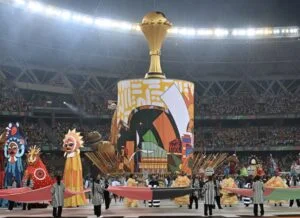
A three-tournament rights package
The Confederation of African Football has revised its commercial rights tender after returning the Africa Cup of Nations to a two-year cycle. The updated package covers the 2028, 2031 and 2033 tournaments, including both finals and qualifying matches, with bids due November 16. For potential rights holders, the change resets the shape of the opportunity: they’re being asked to consider a defined group of three editions under the restored schedule.
That scope matters because a sports rights tender is more than a price for access to matches. It sets out what a buyer may distribute and commercialize, and over which competitions and editions. Including qualifying matches alongside the finals broadens the package beyond the tournament’s most visible stage. It also gives bidders a longer view of the competition’s calendar, though the source provides no details on individual rights categories, territories, or contract terms.
Here’s the thing: a multi-edition package can make planning easier for broadcasters and other commercial partners, since it offers a sequence of events rather than a single tournament. But it also asks bidders to assess a longer commitment against a schedule that has just changed. The value of that proposition will depend on the tender’s detailed terms and the audience and commercial prospects bidders expect; those specifics aren’t provided here.
Why the schedule changed
The revised timetable follows a unanimous decision by CAF’s Executive Committee on October 29 to reverse the plan for a four-year cycle. CAF’s new tender therefore reflects the restored two-year rhythm, rather than the longer interval previously planned. The source doesn’t explain the committee’s reasons for the reversal, so the decision’s motivation can’t be inferred from the scheduling change alone.
Changing a major tournament’s frequency has consequences beyond the dates on a calendar. It affects how rights holders plan coverage, how sponsors organize campaigns, and how teams and supporters anticipate the competition. A four-year interval would have produced a different cadence of finals; restoring the two-year cycle places the event on a more frequent schedule. That is a material change for anyone evaluating the package, even though the available information doesn’t describe its expected effect on revenue or audience demand.
This is more significant than it looks. The rights process has had to adjust to a change in the underlying product: three editions are now being offered within a restored cycle. Bidders will need to judge the package as it stands, rather than assume that earlier plans still define the commercial opportunity.
What bidders must assess
For a prospective rights holder, the tender’s headline scope is only a starting point. The distinction between finals and qualifying matches matters because they serve different roles in a competition and may call for different programming plans. Qualifying coverage can extend a rights package across more of the tournament’s journey, while finals command the greatest focus. The source confirms that both are included but doesn’t say how the rights are divided or what broadcast, digital, or commercial uses are permitted.
If you’re working in this space, the first practical task is to establish exactly what the tender grants before comparing its three editions with other media commitments. Buyers typically examine the schedule, the markets they can serve, the distribution formats allowed, and the obligations attached to coverage. Those are general considerations, not confirmed terms of CAF’s tender. The stated November 16 deadline gives bidders a fixed point for preparing and submitting offers; it doesn’t, by itself, reveal how CAF will evaluate them or when an award might be announced.
(And this is the part most people overlook.) A changed cycle can complicate comparisons with earlier rights packages, because the number and timing of tournaments affect what a buyer is actually purchasing. A longer agreement might offer continuity, but it also ties planning to several editions. In this case, the source identifies three tournaments and the restored schedule, but gives no pricing, bidder names, or award criteria.
Implications for the competition’s commercial future
The revised tender gives CAF a clearer package to put before the market: three editions, a two-year cycle, finals and qualifying matches. That clarity can help bidders frame their proposals, but it doesn’t settle the larger commercial question of how attractive the rights will prove to be. The answer depends on details that aren’t included in the announcement and on the judgments individual bidders make about the competition’s reach and programming value.
And yet, the schedule itself sends a useful signal. CAF has chosen to organize the coming package around a more frequent tournament rhythm, and commercial partners must now assess that structure. For viewers, a two-year cycle means the finals are scheduled more often than under a four-year cycle would imply, though the source doesn’t describe broadcast access or availability. For rights holders, the immediate issue is narrower: understand the revised tender and meet the November 16 deadline.
A new timetable, a defined three-edition package, and a deadline. That’s the information bidders have to work with; the tender’s full terms will determine what it means in practice.
The post CAF amends rights tender for upcoming trio of African Cup of Nations appeared first on Inside World Football.