The Asian Cup’s delay reshapes the club season for players who would have left their teams to represent their countries. The Asian Football Confederation (AFC) has postponed the 2027 tournament in Saudi Arabia, moving it from its January 7 start to a potential window from December 23, 2027, to January 21, 2028. That shift moves the competition across the year boundary and places it within a different stretch of the European club calendar. The dates remain provisional: the AFC said they would be submitted to FIFA for approval.
A change with consequences for clubs
International tournaments can complicate club planning because national-team call-ups temporarily remove players from their regular squads. A tournament held in January can overlap with a busy part of the season for European clubs, leaving managers to cover absences through squad rotation, returning players or younger options. The revised window changes that calculation for the players identified in the report, though the eventual effect will depend on the approved dates and each player’s role for club and country.
Several Premier League players—including Japan goalkeeper 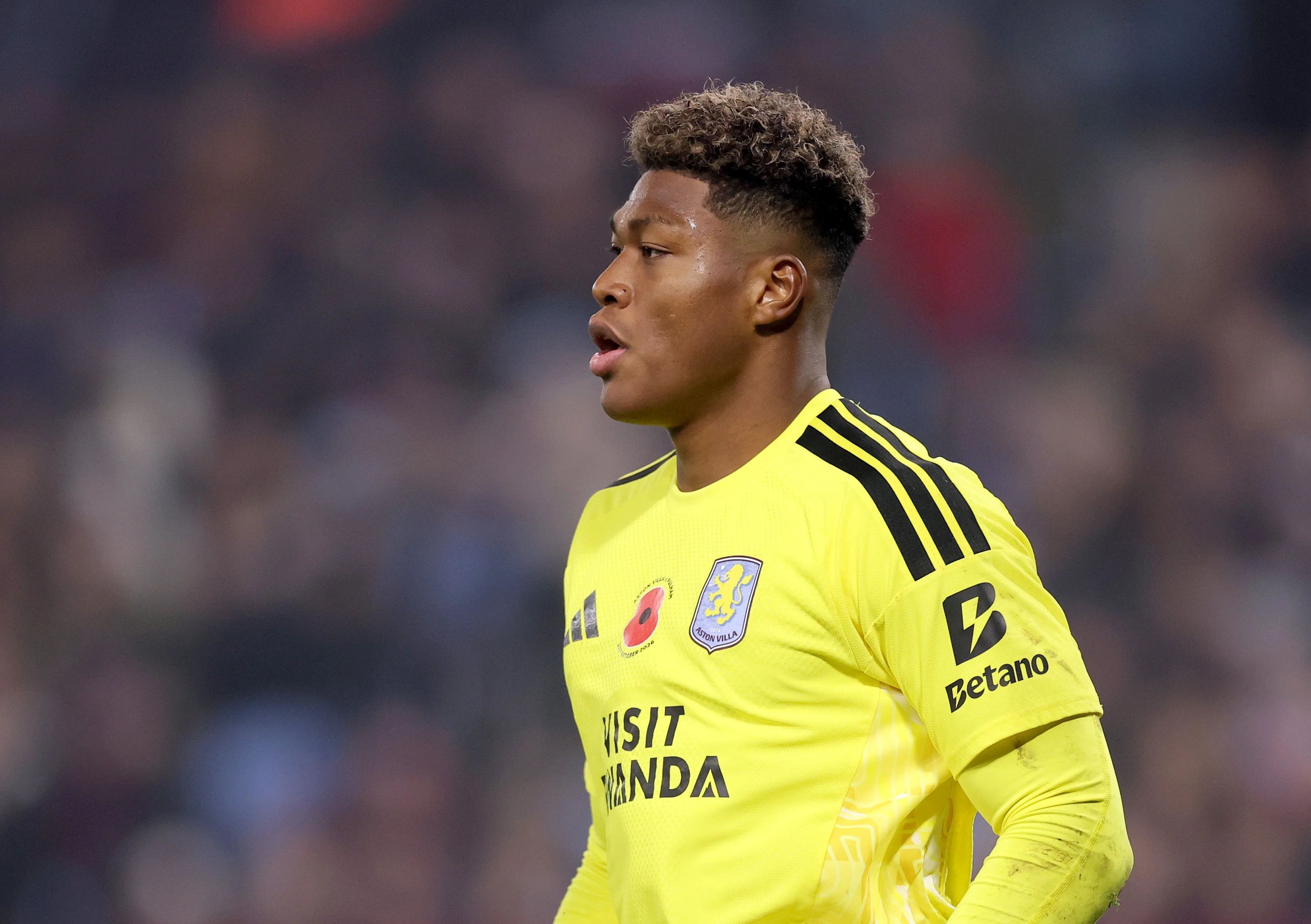 Aston Villa’s Zion Suzuki, Manchester City defender Abdukodir Khusanov of Uzbekistan and Hull City’s Australia international Lucas Herrington—will be available to their clubs during this season’s campaign. For their teams, that availability could make squad planning easier. But it doesn't remove the underlying uncertainty: tournament schedules affect national teams, clubs and players differently, and a revised calendar can create new conflicts even as it resolves others.
The club benefit is clearest in the immediate sense: these players won't be away for the Asian Cup during the season’s campaign described here. That doesn't tell us whether they’ll feature regularly for their clubs, or how the changed dates will affect preparations for the tournament. Availability is a practical advantage, not a guarantee of minutes or performance.
Security concerns and the AFC’s rationale
The AFC cited “exceptional circumstances” affecting the competition’s organisation and delivery. It said postponement was necessary in the interests of teams, officials, spectators and other stakeholders. Those phrases indicate that the decision concerns the event’s ability to be organised and delivered under the circumstances; the statement, as reported, doesn't give further detail about the operational considerations behind it.
The decision follows attacks on Saudi Arabia, including an October strike on Riyadh’s international airport. At least 12 people were killed and more than 300 wounded; Yemen’s Iran-aligned Houthi movement claimed responsibility. That context gives the postponement weight beyond ordinary calendar management. Yet the available facts don't establish a specific connection between the airport strike and each part of the AFC’s decision, so the organisation’s stated explanation remains the clearest account of its reasoning.
There is also a procedural step ahead. The AFC's proposed dates must go to FIFA for approval, so the window from December 23, 2027, to January 21, 2028, isn't yet a final schedule. That distinction matters to clubs and national associations trying to plan well in advance: a proposed date range is useful for contingency planning, but it doesn't settle the calendar.
A disrupted calendar, not a stopped one
Saudi Arabia’s wider sports calendar has also seen disruption. Riyadh’s Six Kings Slam exhibition tennis tournament shifted from October to December, while Saul “Canelo” Alvarez’s world title bout against Christian Mbilli went ahead in the city on Saturday. The contrast points to a changing schedule rather than a complete halt to sporting events in the region.
Those examples show that events can face different scheduling decisions even within the same city. A tennis exhibition being moved and a boxing bout going ahead don't, by themselves, explain the factors behind either choice. They do show why a single description of the region’s sports calendar would be too simple: organisers are adjusting some dates while other events proceed.
(And this is the part most people overlook.) A tournament’s calendar is part of its operating plan: teams need confirmed dates to arrange travel and preparation, while clubs need to anticipate when players may be called away. A postponement can give organisers time to address circumstances affecting delivery, but it also extends the period in which participants must plan around uncertainty.
What the revised window could mean
This is more significant than it looks for clubs that rely on international players. If you're working in this space, the useful distinction is between a player's availability now and the scheduling risk that remains later. The announced window offers a clearer outline than an unspecified delay, but FIFA approval is still pending, and the final arrangement will determine how the tournament fits alongside club commitments.
The immediate effect is straightforward: the named Premier League players will be available to their clubs during the current campaign. The broader effect is harder to pin down. The AFC has framed its decision around exceptional circumstances and the interests of those involved in delivering and attending the event; the next test is whether the proposed dates can be confirmed and then work for the teams expected to participate.
For now, the schedule has moved. The consequences will depend on where the final dates land—and on how clubs and national teams adapt when they do.