The death of Tenerife forward Jesus de Miguel has prompted a routine police investigation in Spain after a collision during Monday’s second division match against FC Andorra. He died in hospital on Tuesday, aged 30. The investigation is examining the circumstances of a death that followed an on-field incident; it doesn’t, by itself, establish that anyone committed an offence.
Spain’s National Police confirmed an investigation into possible involuntary manslaughter, with prosecutors to be involved. Authorities in the Canary Islands described the procedure as routine: under Spanish law, a death considered non-natural triggers a judicial inquiry. That process gives authorities a formal way to establish what happened and consider the relevant evidence, while leaving any conclusions to the inquiry.
Collision during stoppage time
De Miguel collapsed after colliding with FC Andorra goalkeeper Jesus Owono, who had left his area to clear the ball and struck the forward in the chest. The incident happened in stoppage time, when players are often moving at speed and reacting to a loose ball. The referee sent Owono off, and the match was abandoned.
The red card was an immediate decision made during the match; it doesn’t answer the separate questions being considered by police and prosecutors. Those questions concern the circumstances of the collision and the events that followed. The available account doesn’t establish more than that.
Medical staff treated De Miguel on the pitch before taking him to hospital. Tenerife initially said he was “stable, despite the severity of his condition.” The club reported that his neurological condition had worsened in the early hours of Tuesday, then confirmed his death at about 8am. The change in his condition underscores how quickly the situation developed after the collision.
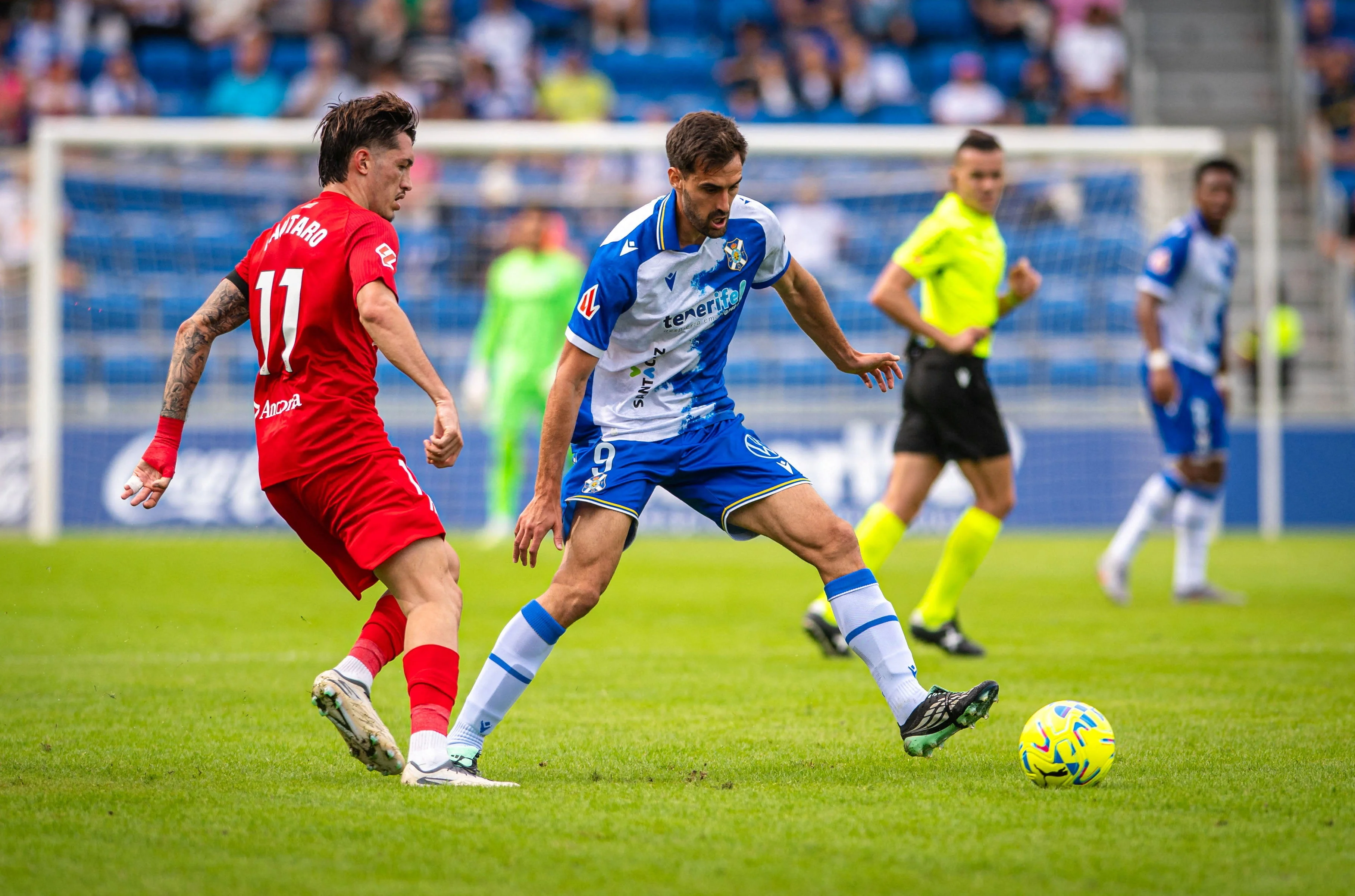
Clubs and football bodies pay tribute
Tenerife announced De Miguel’s death in a statement expressing shock and grief. “There are no words of comfort,” the club said, adding that nothing could ease its “overwhelming sense of sadness.” The language reflected the loss felt by a club dealing with a death within its squad, while the investigation continues separately.
Andorra also offered condolences to De Miguel’s family, teammates, friends and Tenerife. Owono, an Equatorial Guinea international, deactivated his Instagram account after the collision. The account’s status offers no explanation of his response, and the reported facts don’t establish what he was thinking or feeling.
Barcelona, Real Madrid and other Spanish clubs paid tribute. Fifpro, the global players’ union, said it was deeply saddened and sent its thoughts to De Miguel’s family, teammates and everyone at Tenerife. The messages show how the news reached beyond the two clubs involved in the match, drawing a response across Spanish football and from the players’ international representative body.
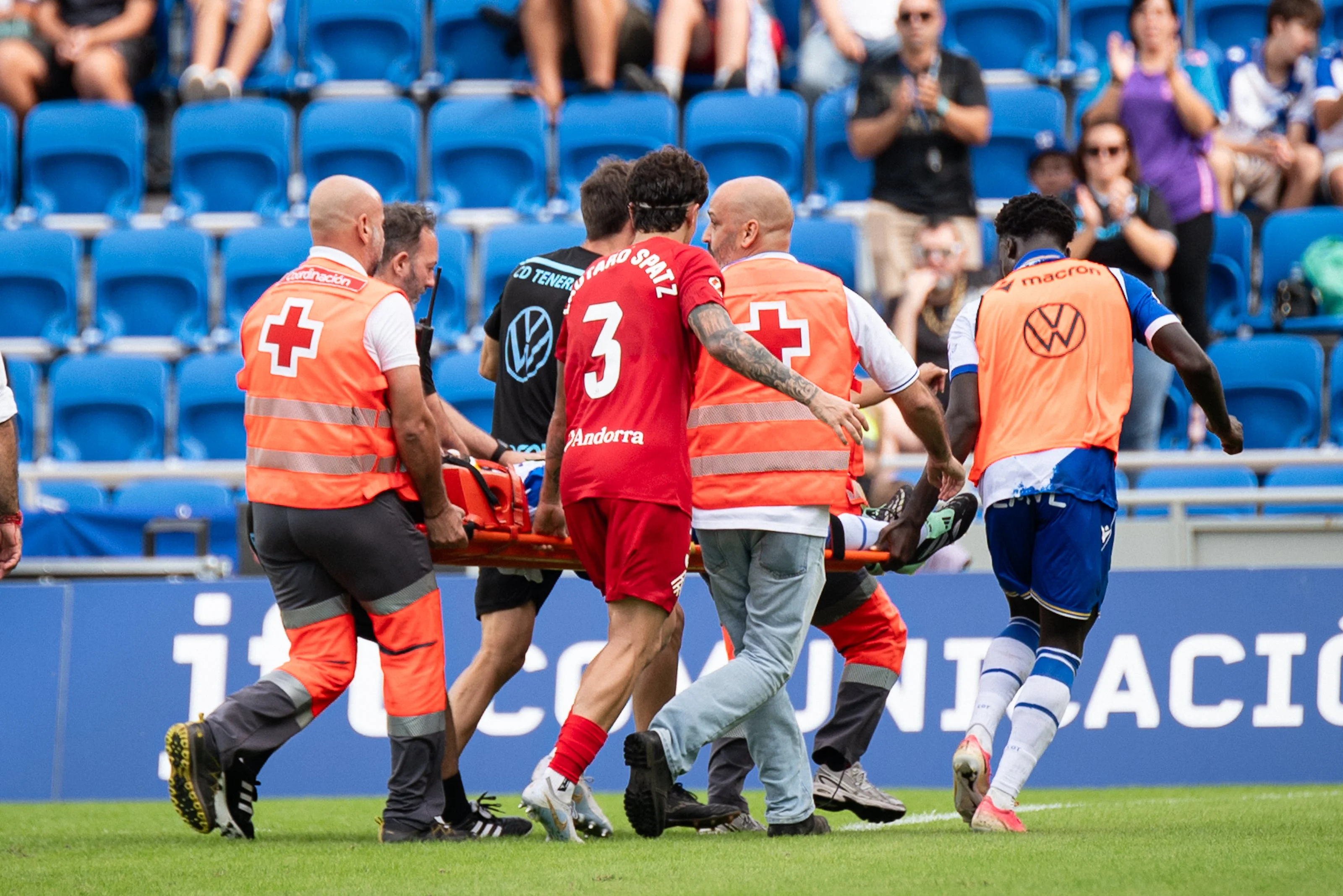
Fixtures and tributes adjusted
La Liga president Javier Tebas said the league would support Tenerife and De Miguel’s family. He planned to speak with the club about whether to postpone its next match, citing concern for players’ welfare, and raised the prospect of a joint tribute by La Liga and the Segunda Division. A fixture decision carries practical consequences for players and clubs, but the immediate issue in Tebas’s comments was the human effect of the death on those expected to take the field.
Uefa president Aleksander Ceferin said the organisation was heartbroken by De Miguel’s death. Uefa matches this week will begin with a moment of silence in his memory. The Spanish Football Federation also postponed Tuesday’s Copa del Rey and Copa de la Reina matches, offering condolences to De Miguel’s family, Tenerife and the club’s supporters. The postponements and planned observances give football a shared way to mark the loss, even as the formal inquiry proceeds on its own timetable.
What the response means for football
This is more significant than it looks: a match stoppage and a red card can address what happens in play, but they don’t settle the medical or judicial questions that follow a fatal collision. Here’s the thing: football’s public response can move quickly, while an inquiry needs time to establish the record. The two processes serve different purposes.
If you’re working in this space, the immediate lesson is how a single incident can affect players, clubs, fixtures and governing bodies at once. Similar cases often prompt questions about on-field emergency care and how competitions respond to grief, but the information here doesn’t support conclusions about either issue. For now, the confirmed facts are stark. A player died, and authorities are investigating.
And yet, the response is also a reminder of the limits of public statements in the first days after a tragedy. Condolences can acknowledge loss; they can’t explain the collision or determine responsibility. (And this is the part most people overlook.) Silence at matches may offer a shared moment, but the inquiry will have to establish what happened. Still unresolved.