Old Trafford gave Michael Carrick a reprieve
A 3-2 win over Roma has bought Michael Carrick time. It hasn’t answered whether he can lead Manchester United back to the Champions League, but the way United escaped a two-goal deficit made the victory feel like more than a routine result. For a team that had gone nine games without a win, it was a sudden reminder of what Old Trafford can still produce.
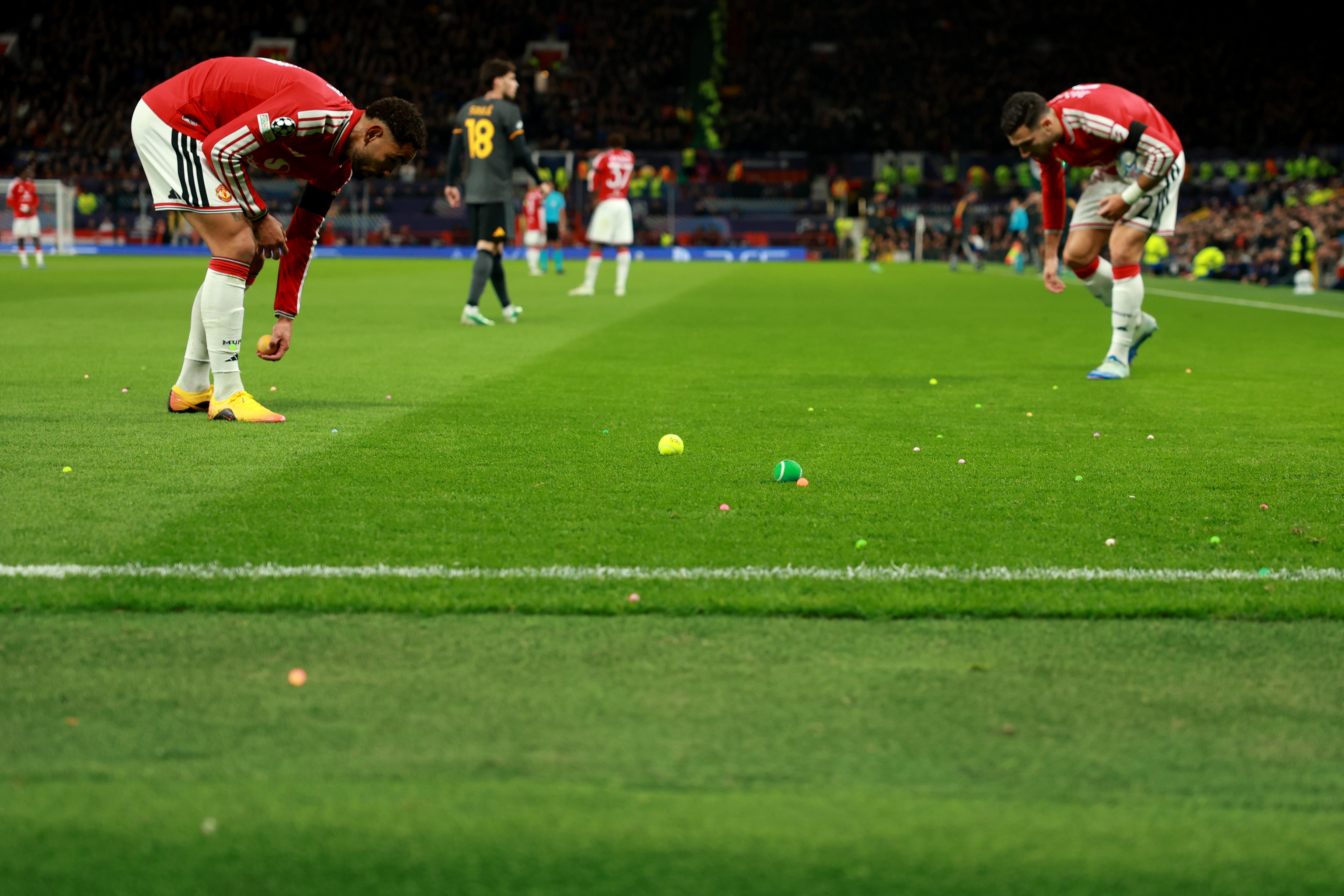
Carrick was close to losing his job when United fell behind twice inside the opening 20 minutes. At half-time, his earlier confidence that he was looking forward to the match looked badly misplaced. The home crowd had been booing and throwing tennis balls onto the pitch in protest, with anger also directed at the Glazer family. By the end, those same supporters were cheering the comeback and singing Carrick’s name.
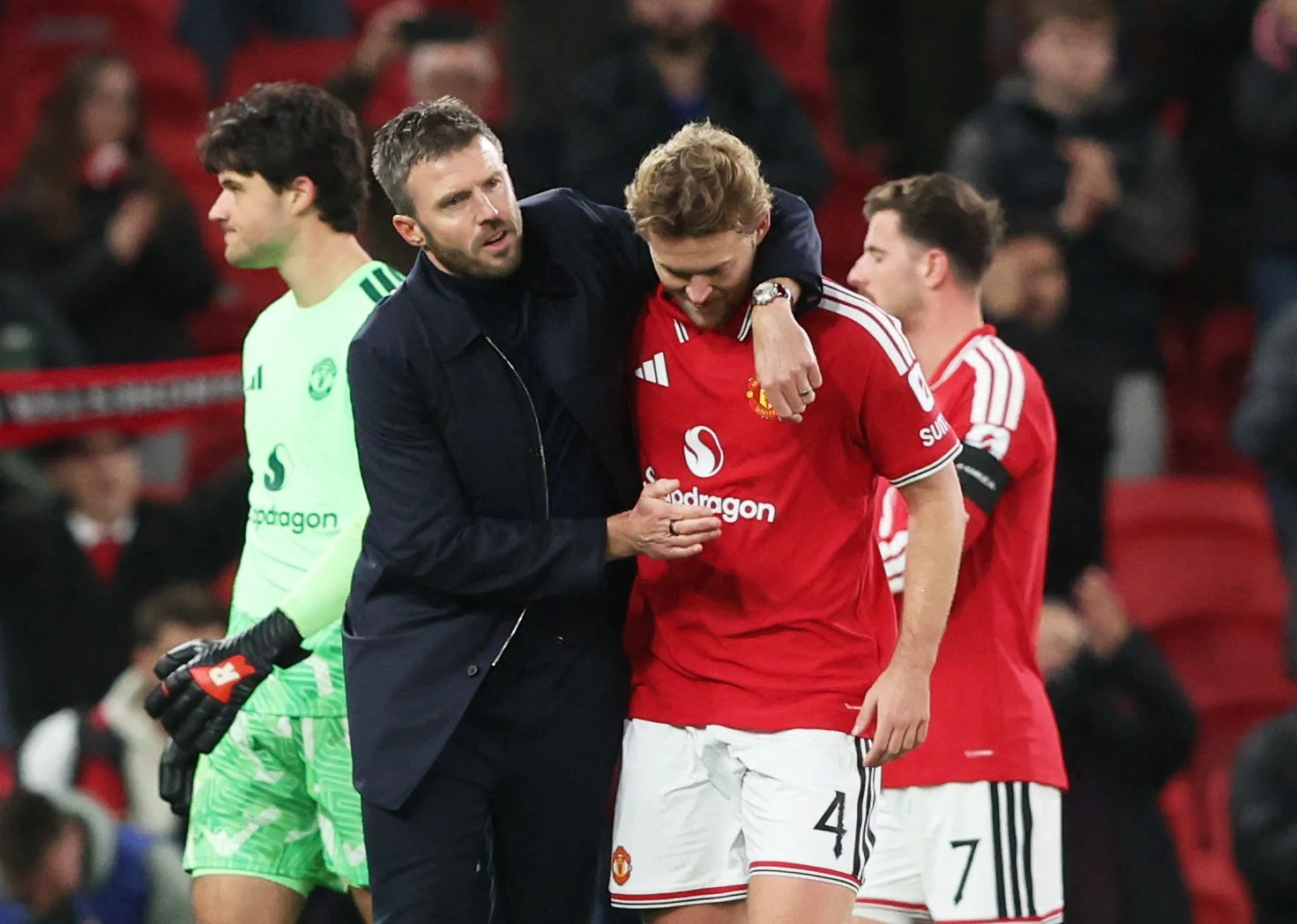
The turnaround has bought Carrick a lifeline, not security. Bruno Fernandes put it plainly: “He needed that win tonight, the club needed that win, the players needed that win.” United had gone 54 days without a victory. Youri Tielemans praised the team’s “big character, big fight”; Kobbie Mainoo called the result “unbelievable, really”.
The obvious reading is that United rediscovered their old spirit. There’s something to that, but the first half was so poor that the comeback also depended on Roma’s collapse and a sequence of costly incidents. United were two goals down within eight minutes, the earliest any visiting side had scored twice at Old Trafford in European competition. They were, somehow, both as bad as the scoreline suggested and unlikely winners.
Carrick had pointed to United’s 7-1 demolition of Roma in 2007 when talking about the prospect of a “magical night”. Twenty seasons later, this team found its own version. “This place can do magical things,” Carrick said, crediting the stadium. It’s a satisfying explanation for supporters; it doesn’t explain the defensive problems that made the rescue necessary.
Roma had good reason to think the points were theirs. Gian Piero Gasperini’s side led by two and nearly scored a third just before half-time, playing the kind of fluent, attacking football United struggled to contain. The defeat extended Roma’s wait for a first win in England to 17 attempts across 25 years. They had also been overwhelmed by Real Madrid in the final 10 minutes two months earlier, and this collapse will feel like a grim repeat.
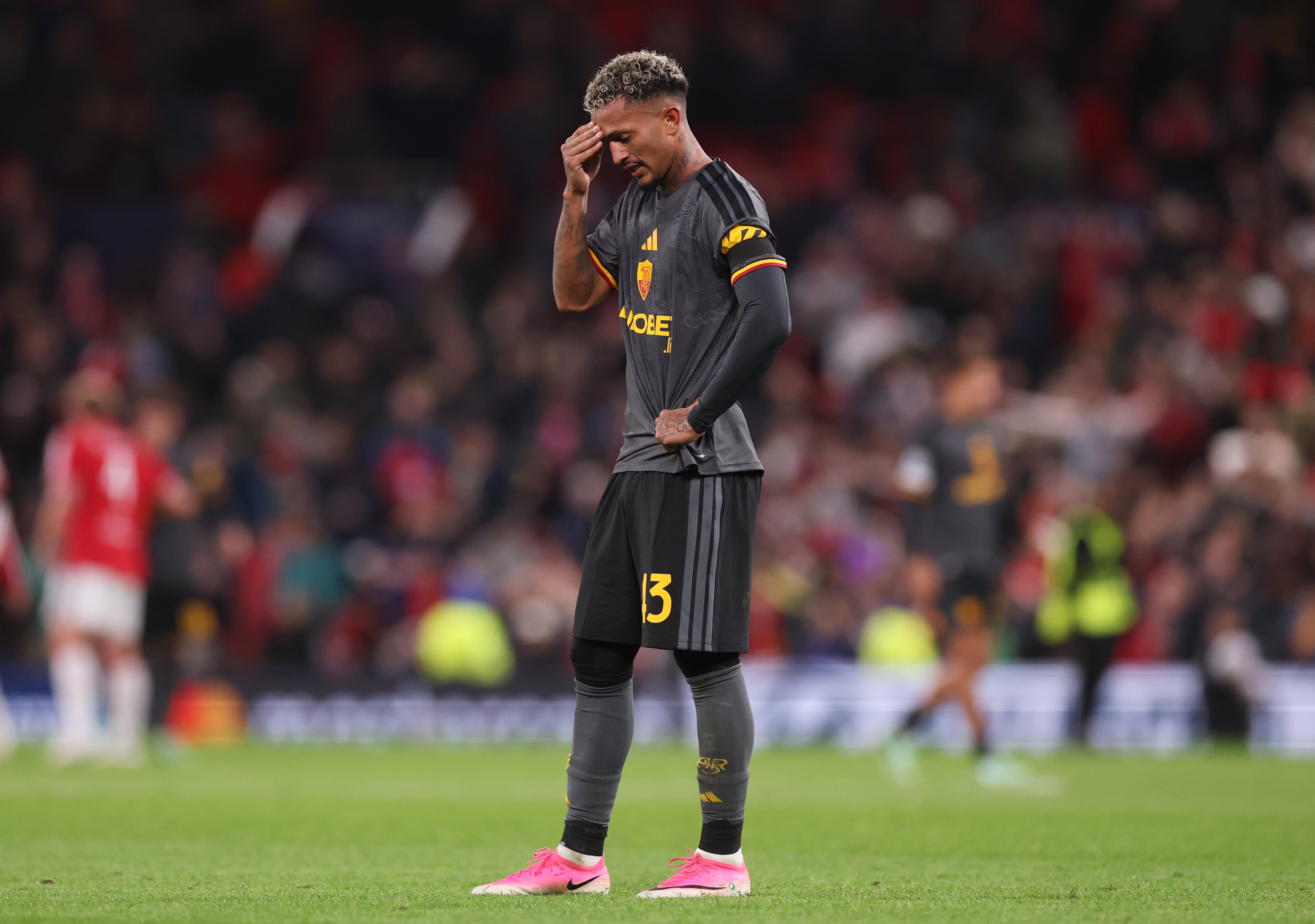
Fernandes and Matheus Cunha drove United’s recovery. Fernandes scored from the penalty spot and supplied the cross for Cunha’s first goal. Carrick had restored the captain to the side after Fernandes criticised him following the previous match in Italy; that decision paid off. Cunha helped create the opener, equalised, then scored the winner—before being sent off in injury time.
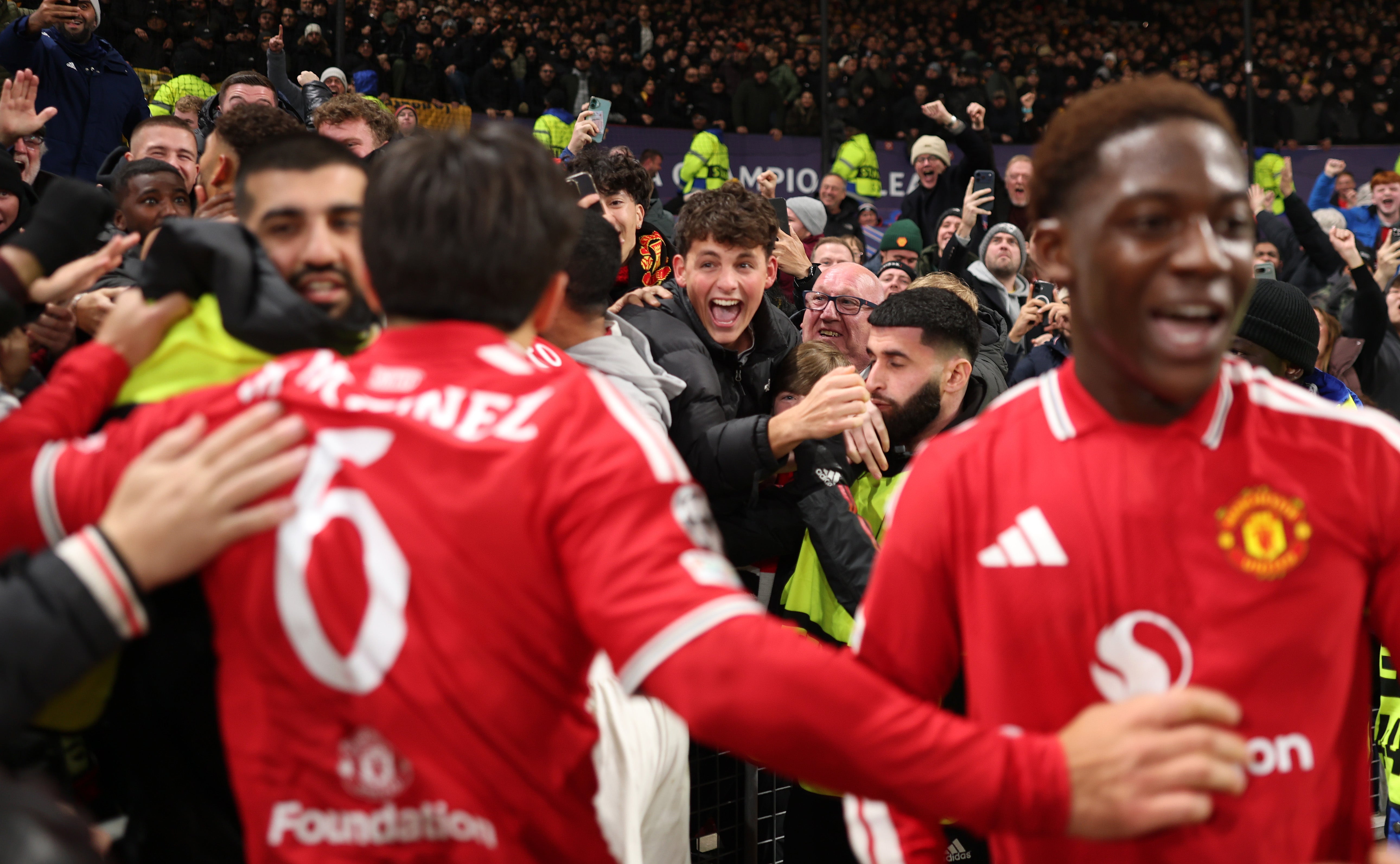
Cunha had been booked for celebrating among the crowd. His dismissal came after a reckless slide into Leonardo Balerdi, ruling him out of United’s trip to Lisbon to play Sporting in three weeks. The celebration and the red card captured the night’s mood: thrilling, chaotic and expensive.
United also lost Carlos Baleba. Just after half-time, he burst through on goal, pulled up clutching his hamstring and left the pitch in tears. His return may not come until December.
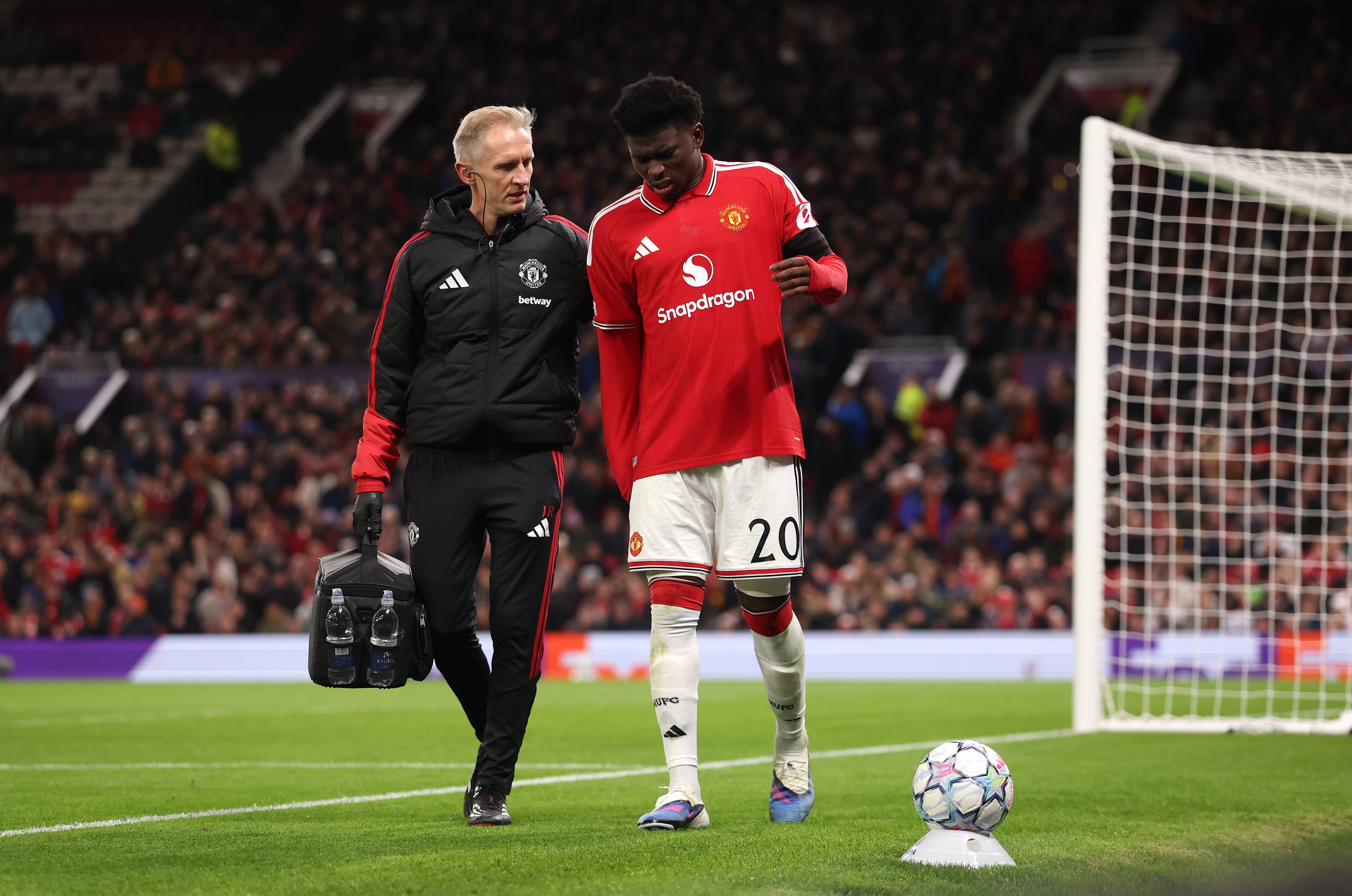
Baleba went off before the match turned. United then benefited from two penalty decisions: Gianluca Mancini was judged to have fouled Cunha, and Fernandes got a second attempt after Devis Vazquez saved his first, with Bryan Cristante penalised for encroachment. Fernandes converted the retake, ending a goal drought of almost two months.
The equaliser nearly arrived at once. Cunha sent Bryan Mbeumo through with a fine pass, but Mbeumo’s shot struck both posts without crossing the line. Diogo Dalot’s header was then cleared off the line by Cristante. The momentum had shifted; the finishing still hadn’t.
Cunha changed that in a four-minute burst. Fernandes crossed, Balerdi missed his kick and Cunha finished. Soon after, Cunha curled a superb effort in off the near post to put United ahead and complete the comeback.
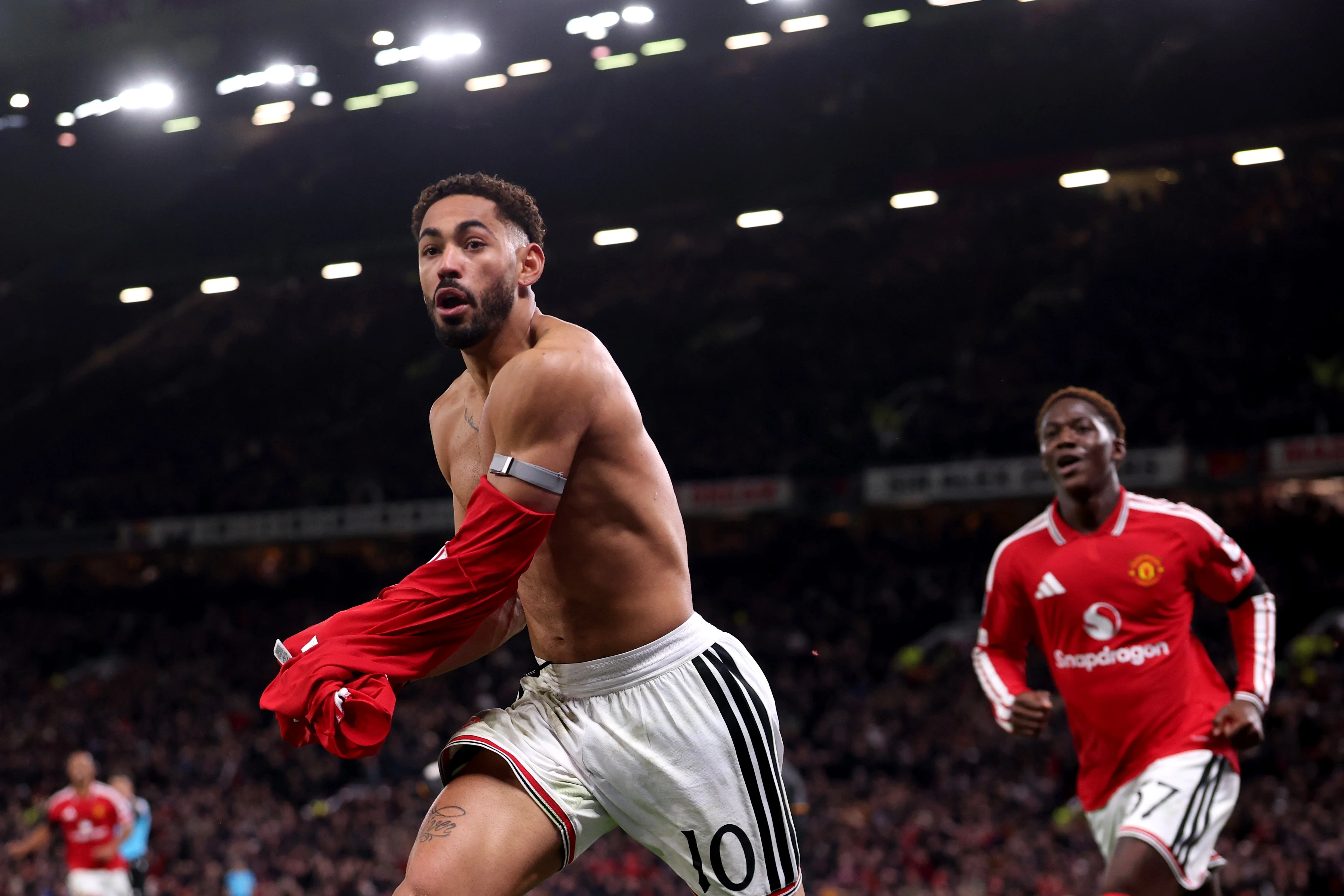
“Matheus can do them things,” Carrick said, offering little by way of tactical analysis. His changes mattered, though: Shea Lacey gave United more threat down the right, and switching Cunha and Mbeumo at half-time helped the attack.
The result ended United’s nine-game winless run and gave them a second Champions League victory of the season, improving their chances of finishing in the top 24. Still, the early collapse exposed familiar weaknesses. Luke Shaw’s injury has left United short of a natural alternative at left-back, and that gap contributed to Roma’s quick double. Ayden Heaven, recalled in place of Lisandro Martínez, had a miserable start; Dalot was poor as well.
The comeback deserves its noise. It also leaves the larger questions intact: Carrick’s job remains uncertain, United’s defence looked vulnerable, and the win came with an injury and a suspension. For one night, the old United feeling returned. Whether it can last is another matter.
Roma let United off the hook
The defensive collapse could easily have ended Michael Carrick’s spell in charge. Rodrigo Mora’s cross exposed Diogo Dalot’s position upfield; when Ayden Heaven jumped and missed the ball, Matías Soulé was left free to drive in a low shot. Dalot was caught out again soon after, giving Soulé room behind him before the Argentine’s effort struck Heaven’s arm.
Donyell Malen dispatched the penalty to make it 12 goals in 13 games. Roma nearly had another when Senne Lammens produced an excellent save after United’s defence opened up, and Soulé later curled a shot just wide. Those chances should have put the match beyond United. They didn’t.
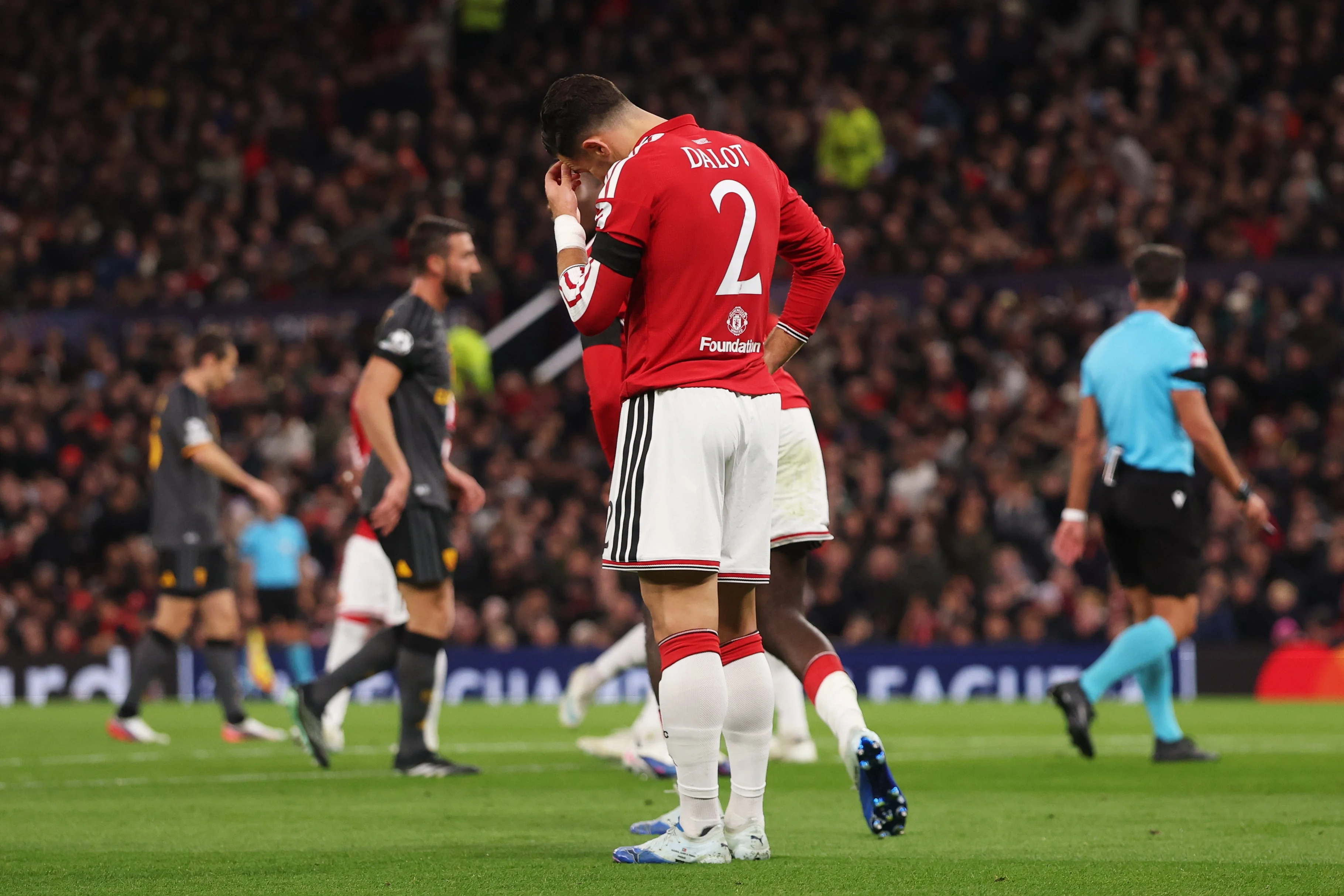
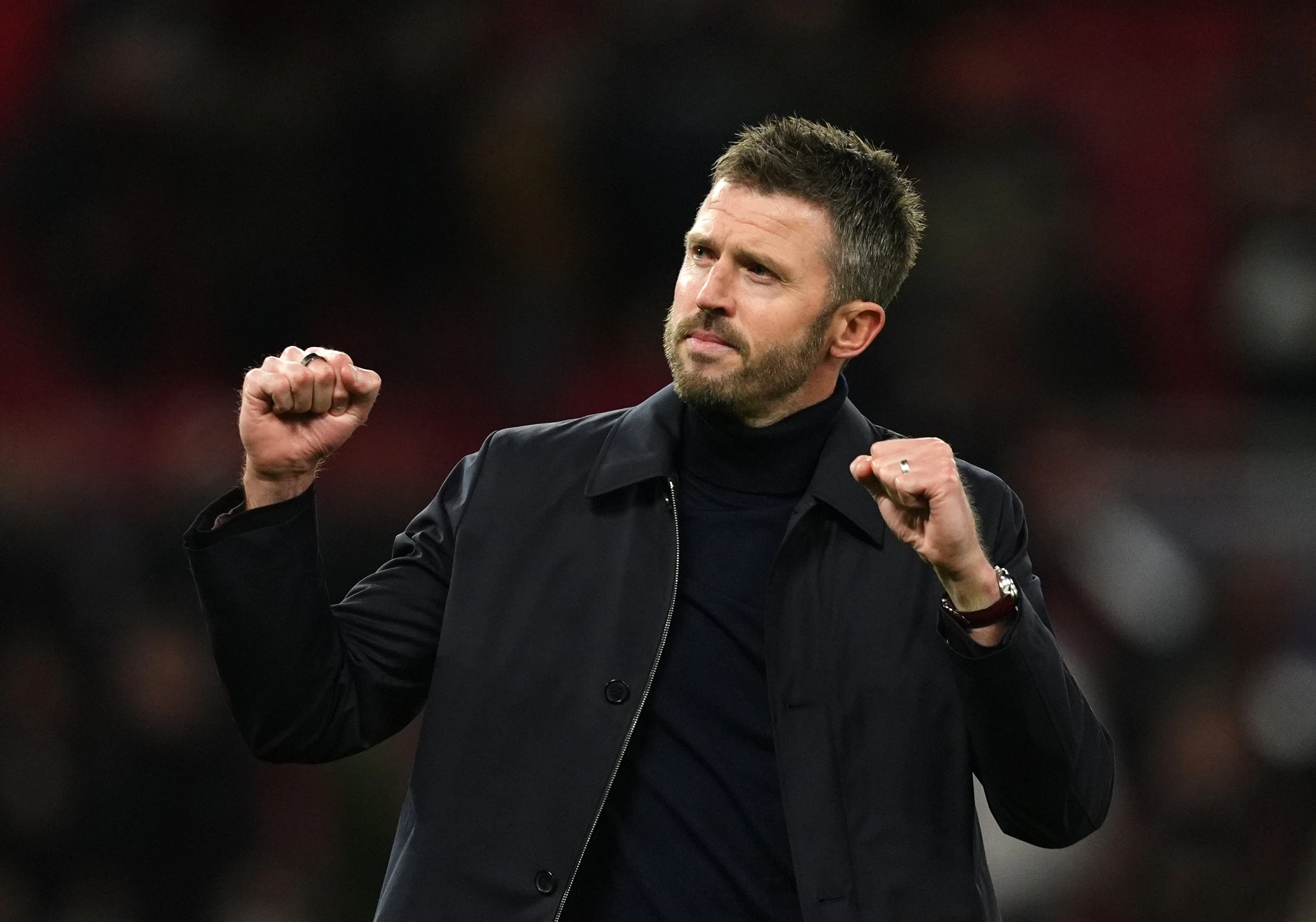
Roma had the chances to finish United — and perhaps Carrick, too. Instead, he gets a reprieve. “I don’t have a crystal ball to know what happens next,” he said. Fair enough. This result was difficult to foresee by any measure, and it leaves the bigger question of what comes next unanswered.