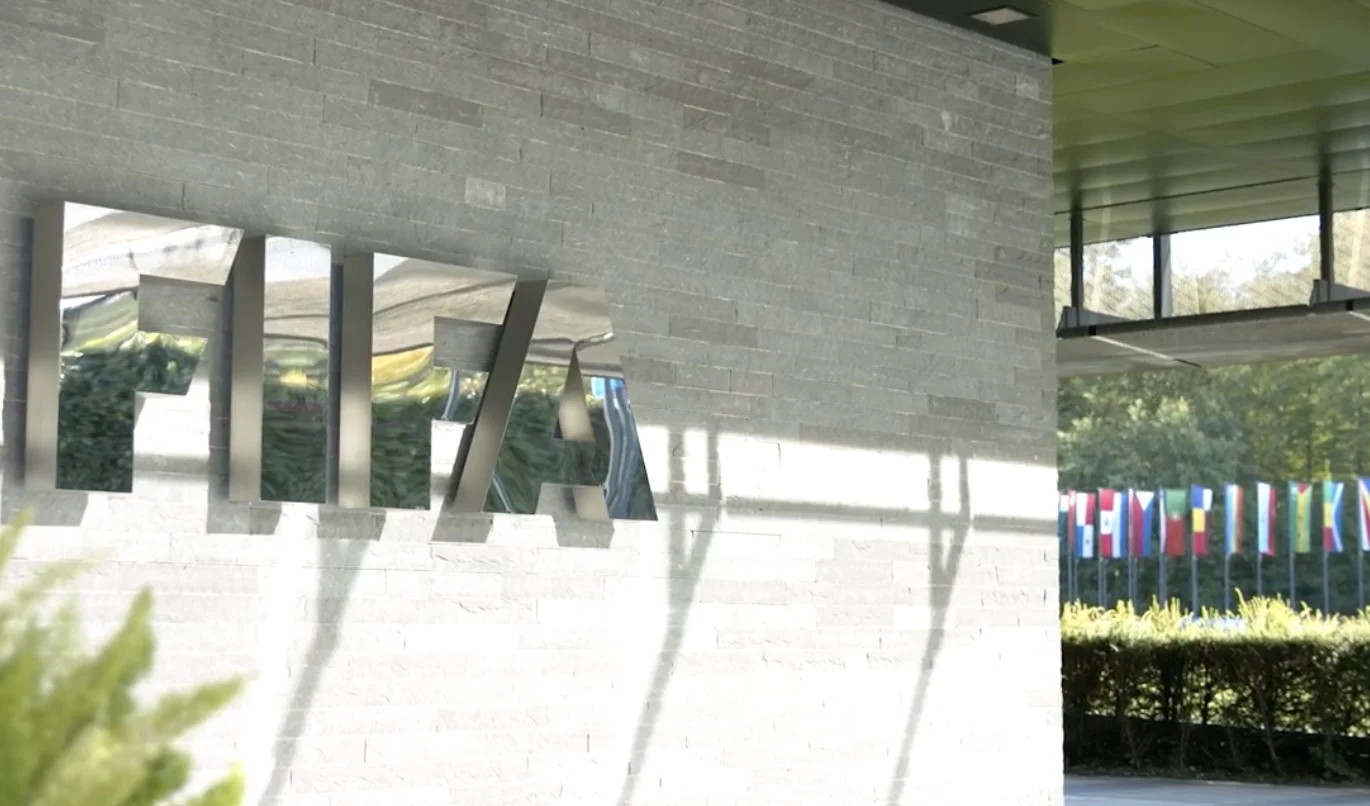
A challenge to FIFA’s concentration of power
The Welsh FA’s challenge to Gianni Infantino is about more than his future as FIFA president. Chief executive Noel Mooney says the organisation wants a broader change to football’s governance, arguing that too much authority rests with one person. That distinction matters: a dispute focused only on one president can end when that president leaves, while a dispute about the structure asks who should hold power, how it should be checked and whose interests it should serve.
“The governance of the global game needs to be reviewed – the system is not working for us,” Mooney said. Wales was the first national association to oppose Infantino’s re-election, he said, and “our position certainly hasn’t changed.” The stance gives Wales a clear public position, but its influence will depend on whether other football associations share its concern and are prepared to press for changes. Opposition from one association can make an argument visible; changing an international governing body requires a wider constituency.
Mooney said a FIFA president should provide “moral guardianship of the game” and act in its best interests. He called it “crazy” for one person to hold as much power as the FIFA president. That is a pointed judgment, not a detailed proposal for a new governance model. The questions it raises are practical: what decisions should belong to the president, what oversight should apply, and how should national associations have a meaningful say?
Here’s the thing: leadership and accountability aren’t the same question. A president may be expected to speak for the sport and direct its organisation, yet those responsibilities become harder to assess when authority is concentrated and the checks on it are unclear. The Welsh FA’s criticism puts that tension at the centre of the debate.
Pressure grows over FIFA Forward Enterprise
Wales withdrew its support in August after reports that Infantino planned to privatise the World Cup through FIFA Forward Enterprise (FFE). The dispute has since become FIFA’s most serious crisis since the 2015 FIFAGate scandal, according to the source. That comparison signals the perceived scale of the current dispute, though the two episodes concern different issues: the present row, as described here, centres on FFE, access to information and the president’s authority.
The available account doesn’t spell out how FFE would work, what role private ownership would play or what documents UEFA wants released. Those gaps limit what can be judged about the proposal itself. They also help explain why disclosure has become part of the argument: when a plan could change how a major football property is organised, associations need enough information to assess its consequences before being asked to support it.
Infantino has pushed to secure backing, saying over the weekend he had the support of the “vast, vast majority” of FIFA’s electorate. The Asian Football Confederation also backed him at an extraordinary congress in Tokyo last week. Those endorsements show that he has important support, but they don’t settle the Welsh FA’s central complaint. Support for a president and confidence in the governance system are related, yet they aren’t interchangeable measures.
The distinction is easy to miss. A leader may have broad backing while critics still question how decisions are made or whether dissenting associations can obtain clear answers. And yet, the endorsements matter: any effort to change FIFA’s structure will have to contend with members who currently support Infantino. If you're working in this space, the immediate question isn’t simply how many associations are on one side; it’s whether they agree on what should change.
Funding and influence
At a FIFA Council meeting in Zurich last week, members approved raising development funding for national associations from $10 million to $25 million for the next four-year cycle. The increase is a concrete decision in the middle of a dispute otherwise dominated by claims, questions and calls for explanation. It gives associations a reason to pay close attention to FIFA’s funding choices, though the account doesn’t establish that the increase was offered in exchange for political support.
Development funding can be significant for national associations because their resources and responsibilities vary. But the decision on its own says little about the broader governance question. A larger allocation may benefit members, while leaving unanswered who sets the organisation’s priorities, what scrutiny applies to those choices and how associations can challenge them. That’s why the funding announcement shouldn’t be treated as a substitute for clarity on FFE.
Infantino has travelled internationally to rally support, using a private jet supplied under Qatar Airways’ sponsorship agreement with FIFA. The detail underscores how the campaign for backing is playing out through FIFA’s international relationships and resources. It doesn’t, by itself, establish anything about the merits of FFE or the fairness of the governance system. The relevant issue is whether members can distinguish routine institutional support from pressure to endorse a particular leader or plan.
What the next answers will show
UEFA has given Infantino until early November to release documents on FFE and answer questions he didn’t address at the council meeting. For Mooney, those answers are part of a larger test: whether FIFA can change a governance structure he says gives its president excessive power. The deadline gives the dispute a near-term point of focus, but disclosure alone can’t resolve the larger concern if associations still lack a clear way to review decisions or hold leadership accountable.
This is more significant than it looks. The argument has moved from whether Wales supports Infantino to whether FIFA’s members can get enough information to judge a plan and influence the institution that governs their sport. If FIFA provides the documents and answers the outstanding questions, members will have more basis for assessing FFE. If they remain dissatisfied, the underlying criticism about concentrated authority is likely to remain in view.
That said, the source doesn’t establish what the released documents will contain, whether they’ll answer UEFA’s questions or whether other associations will join Wales in seeking structural change. Those are open questions, not outcomes that can be assumed. For now, the clearest measure of progress will be whether FIFA’s response gives its members a fuller account of the proposal and a meaningful basis for scrutiny. The harder task is building agreement on how power should be exercised after that.
Not just a question of who leads.
Contact the writer of this story at [email protected]