Levski Sofia has appointed Filadelfo Aparo as chief revenue officer, placing the Italian executive in charge of coordinating the club’s commercial operations, marketing, brand identity and communications. The appointment brings several functions that often work in separate teams under one strategic lead. That structure can make it easier to connect a sponsor’s commercial goals with the way a club presents itself to supporters, though a new title alone won’t guarantee that those parts of the business work well together.
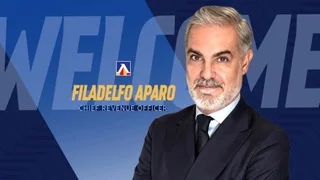
From Como to Levski
Aparo, known as “Delfo,” joins Levski from Como 1907, where he was head of partnerships and sponsorship. During his time there, Como earned promotion to Serie A and qualified for the UEFA Champions League main stage. Those sporting milestones provide useful context for the period in which he worked at the club, but they don’t establish that commercial work caused the results on the pitch. Aparo’s stated experience is in building the business around a club as its sporting profile rises.
At Como, he led growth in the corporate partnership portfolio, with deals involving Revolut, Uber, Adidas, Canva, PokerStarsNews, Neuberger and EA SPORTS FC. The range of companies points to the different kinds of commercial relationships football clubs can pursue: some brands may seek broad visibility, while others may be interested in reaching supporters through particular products, services or content. The source doesn’t describe the terms or value of these agreements, so their significance is best understood as evidence of the breadth of Aparo’s partnership work, not as a measure of revenue or commercial success.
That distinction matters. A list of sponsors can show a club’s ability to attract recognizable partners, but the quality of a partnership depends on more than the names involved. Clubs need to consider whether a deal fits their identity, gives the partner a clear reason to participate and offers supporters something that feels relevant. That’s a harder task than placing a logo on a shirt or advertising board. It’s also where commercial strategy and communications begin to overlap.
Aparo brings more than 20 years of international experience across business management, marketing, partnerships and brand positioning. Before moving into football, he held senior marketing, business development and expansion roles at companies and agencies including Acer, Renault, Viatris, Saatchi & Saatchi, Publicis and Bertelsmann. That background spans businesses with different customers and operating models, and it suggests he’s worked across brand planning as well as commercial growth. The source doesn’t specify how those earlier roles shaped his football work, but the combination is relevant to a job that joins sponsorship, marketing and club identity.
Why bring the functions together?
A chief revenue officer’s title can cover different responsibilities from one organization to another. At Levski, the reported remit is notably broad: commercial operations, marketing, brand identity and communications are all included. In practical terms, that places revenue generation alongside decisions about how the club speaks to supporters and how it wants to be recognized by partners and the wider public.
In many sports organizations, sponsorship, marketing and communications can develop separate priorities. A commercial team may focus on finding partners and delivering what contracts promise; a marketing team may concentrate on campaigns and audience reach; communications staff may manage the club’s public voice. Coordination can help these groups plan around the same goals. It can also make it easier to spot conflicts early, such as a partnership that doesn’t fit the club’s messaging or a campaign that misses what a sponsor hopes to achieve.
But bringing functions together on an organization chart doesn’t settle the difficult questions. Teams still need clear responsibilities, shared information and a way to judge whether their work is paying off. Revenue can be tracked through commercial agreements, while brand strength and fan engagement are less straightforward to assess. A single executive can set direction, yet the results depend on how that direction reaches staff and how well the club understands its audience.
Here’s the thing: the value of this appointment will be measured in the connections Aparo can build across those areas, not in the breadth of the title alone. That’s more significant than it looks. When a club treats partnerships as part of a wider relationship with supporters, a deal can carry meaning beyond the sponsor’s name appearing in public. When that connection feels forced, audiences may see the commercial message as an interruption. And this is the part most people overlook: fan trust is an asset that commercial plans depend on, even when it doesn’t appear as a line item in a partnership announcement.
What the appointment could mean for Levski
Levski’s decision suggests it wants commercial activity and public identity to reinforce one another. The club hasn’t announced a specific growth target or described a new commercial plan in the source material, so the appointment shouldn’t be read as proof that a particular strategy is already in place. It does, however, put someone with experience in partnerships and brand positioning in a role that spans those subjects.
For clubs, a coherent identity can help explain why a partnership makes sense to supporters and potential sponsors. It gives commercial teams a clearer basis for choosing which opportunities to pursue and helps communications staff explain those choices. The challenge is that football clubs serve several audiences at once: fans, business partners, players, staff and the broader community around the team. Their interests may overlap, but they aren’t interchangeable.
If you’re working in this space, the appointment is a reminder that commercial leadership increasingly touches the whole way a club presents itself. That doesn’t mean every department has to deliver the same message in the same way. It means their work needs to add up to a recognizable identity, while leaving room for the distinct needs of supporters and partners. The test will be whether Levski’s functions can coordinate without reducing fan engagement to a sales channel.
There’s also a basic uncertainty in any executive appointment: a résumé shows relevant experience, not what the person will accomplish in a new organization. Aparo’s experience at Como and his wider marketing and business background give Levski a senior figure whose responsibilities fit the club’s stated aim of coordinating its revenue-focused areas. What follows will depend on the priorities the club sets and how those priorities translate into day-to-day work.
For now, the clearest signal is structural. Levski has grouped commercial operations, marketing, brand identity and communications under one lead, with Aparo bringing experience across sponsorship and brand work. A coordinated approach may help the club make its partnerships more purposeful and its communications more consistent. The harder measure will be whether that coordination produces value for the club while keeping its relationship with supporters credible.
Contact
Contact the writer of this story, Alexander Krassimirov, at [email protected]. The article’s central subject is Levski’s appointment of Aparo and the scope of his commercial role. The club’s future results will show how that responsibility takes shape.