A high-profile first use
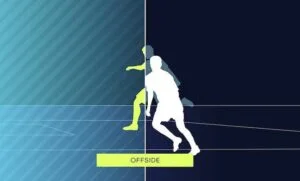
Argentina’s top division will begin using semi-automated offside technology at its December 12 Clausura final, giving Genius Sports a high-profile first deployment before a planned league-wide rollout next summer.
The choice of a final as the first live use gives the system a prominent stage, but it also puts the technology under unusual scrutiny. A single match can show whether cameras, tracking software, officials and broadcast graphics work together under competitive conditions. It can’t, by itself, establish how consistently the system will perform across a full league schedule, where stadium layouts, lighting and camera coverage may vary.
This is more significant than it looks. Offside decisions are among the moments when football’s rules meet the limits of what people can judge quickly from a broadcast angle. Technology can add evidence, but the decision still has to be interpreted and communicated by match officials. The test, then, isn’t simply whether a system can detect a possible infringement. It’s whether it can help officials reach a clear decision without making the process harder to follow.
How the system is meant to work
The Argentine Football Association has expanded its technology partnership with Genius Sports. The company will equip top-flight stadiums with computer-vision cameras, while its GeniusIQ platform tracks players and the ball in real time. The system flags potential offsides and produces 3D graphics for VAR officials.
In general, semi-automated offside systems combine camera-based tracking with software that estimates the positions of players and the ball. The “semi-automated” label matters: it describes a system that can identify a potential offside and provide supporting information, while leaving officials responsible for reviewing the incident and making the ruling. That division of work is central to how the technology is used.
Offside decisions depend on several details at once: the position of the attacker, the relevant defender, the ball, and the moment a teammate plays it. Tracking those elements can give video officials a more structured view than a manually selected camera frame alone. The system’s output is still a tool for review, though. Officials need to judge whether the detected moment and positions correctly represent the play.
Computer vision also depends on the quality and placement of the cameras, the images they capture, and the software’s ability to follow players through movement and obstruction. A player may be partly hidden behind another, or several bodies may cross in a crowded area. (And this is the part most people overlook.) Real-time tracking has to keep working through the untidy sequences that make close decisions difficult in the first place.
For VAR officials, a 3D graphic can make a positional decision easier to inspect and explain. It may give reviewers a consistent visual reference, particularly when the relevant lines are hard to judge from the available broadcast angle. But a graphic can look more definitive than the evidence behind it. Clear presentation is useful only when it reflects what the underlying tracking can actually establish.
What a first deployment can show
A debut at the Clausura final can help the association and Genius Sports observe the system in a consequential match environment. They’ll need to see how the equipment and review process function together, whether officials can use the output promptly, and how the decision is presented to viewers. Those practical questions can matter as much as the software’s ability to flag an incident.
One match won’t answer every question. A league-wide rollout would expose the system to a wider range of stadium conditions and match situations, so the planned expansion next summer represents a different test. The source doesn’t specify how the rollout will be staged or what performance standards will be used. Those details will shape how much can be inferred from the first use.
There’s also a distinction between producing a possible offside alert and improving the full decision process. If the alert is timely and the supporting image is easy to assess, officials may have better evidence at hand. If reviews remain difficult to interpret or communicate, the technology could add another layer to an already complex interruption. That’s why the human review process remains part of the story.
For fans, the visible result may be a graphic or a short wait while officials review a play. The cameras and tracking work happen mostly out of sight, yet they influence what information reaches the review team. If you’re working in this space, the useful measure isn’t just whether the technology detects close calls; it’s whether the resulting decisions are understandable and consistent in match conditions.
Implications for the league and the vendor
The expanded partnership gives Genius Sports a public demonstration of its system in Argentina’s top division, while the association is preparing to use tracking technology in officiating. That creates a practical proving ground for both sides. A successful first match could support confidence in the planned expansion, but it wouldn’t settle questions about performance across every stadium or type of incident.
There’s a broader operational point here: introducing a new officiating tool means coordinating cameras, software, match officials and the VAR review process. Even when the technology works as designed, people need to know how to interpret its output and how it fits into existing procedures. The value depends on that whole chain, not on a camera or platform in isolation.
And yet, there’s a limit to what any system can promise. Football’s rules still require judgment about the play, and tracking data can only support the evidence available to officials. Semi-automated tools may make certain positional checks more systematic, but they don’t remove the need for review or guarantee that every disputed call will feel clear to players and supporters.
Here’s the thing: the December 12 final will be an opening demonstration, not a verdict on the technology. The planned league-wide use next summer will provide a broader view of how the system behaves across the competition. For now, the key question is whether the first deployment gives officials useful, credible information at the moment they need it. A promising graphic is only the start.
The post Genius Sports to roll out SAOT into Argentina’s top tier league appeared first on Inside World Football.