Mikel Arteta’s response to Max Dowman’s red card was shaped by a concern beyond one moment of frustration: the 16-year-old had been told what to expect, and Arsenal needed him to stay on the pitch. Arteta says he was angry as Dowman left the field, but has no lingering issue with the teenager. The distinction matters: a manager can object to a player’s decision while still accepting responsibility for helping him learn from it. For Arsenal, the incident has become a test of how to set standards for a young player who is already facing the physical attention that comes with his style of play.
Dowman was dismissed in the 85th minute of Arsenal’s Carabao Cup defeat to Fleetwood Town on Tuesday. After a heavy challenge from behind by Fleetwood’s Harrison Neal, the forward kicked out, giving the referee grounds to send him off. Arteta had warned him before the match to expect physical treatment and not react. That warning gives the dismissal a different weight for the manager: it wasn’t simply an impulsive act in a difficult match, but a failure to follow advice he’d already given.
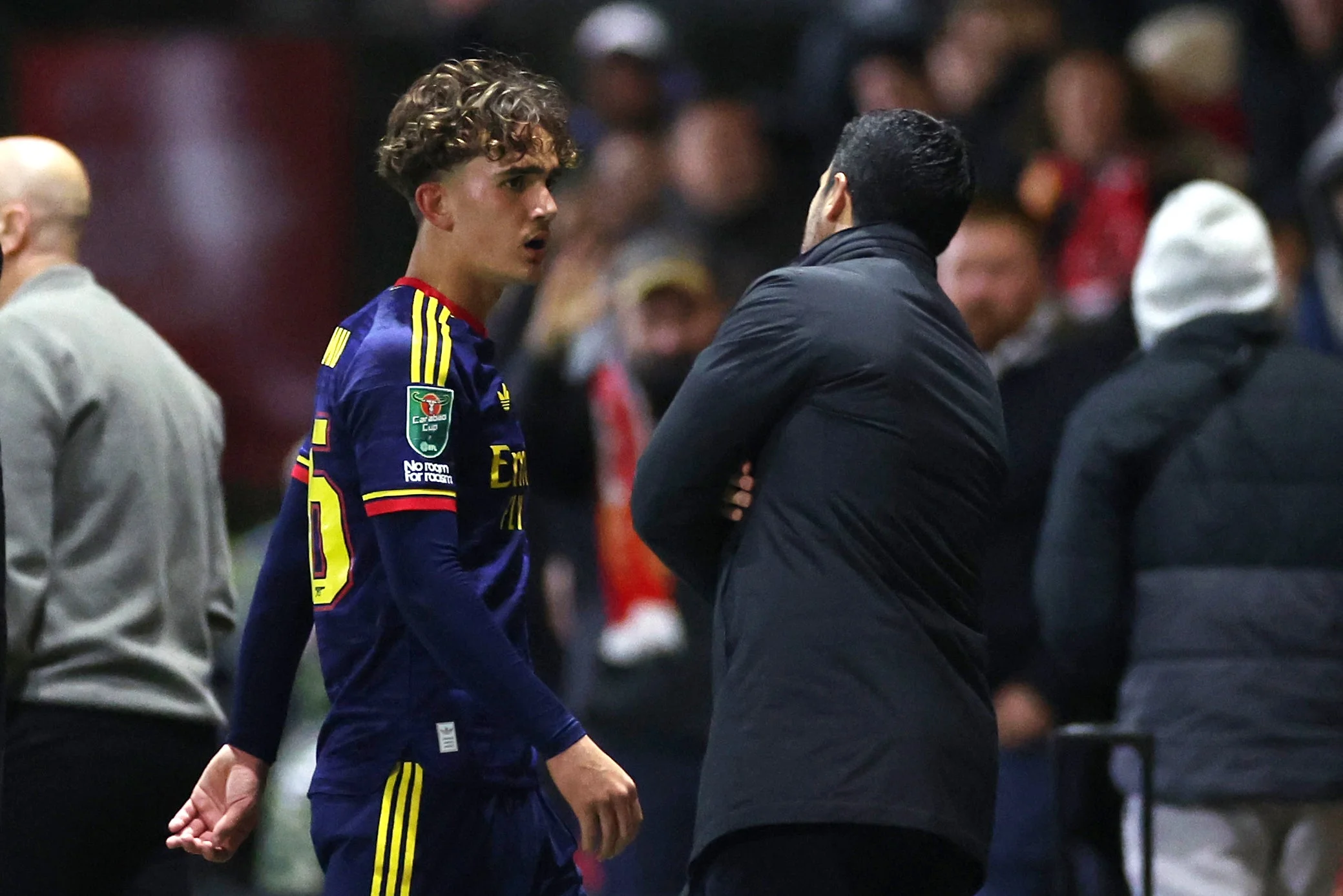
Why Arteta confronted Dowman
Arteta’s visible anger as Dowman left the pitch drew criticism, including from former Arsenal player Paul Merson. Merson argued the manager might not have treated a more senior player the same way, raising a question about whether the show of frustration was fair to a teenager. Asked about the reaction to his own conduct, Arteta said he understood the criticism. He wanted it judged in light of his relationship with Dowman and their conversation before the game, rather than as a moment detached from that context.
He also pointed to the cost of the dismissal for the team. “You want to see the reaction of his team-mates when they have to play with 10 men,” he said, describing the demands of the environment as part of the lesson. “We are not in Disneyland, we are in the Premier League.” That is a hard-edged way to make the point: a red card changes the task for every player left on the pitch, and the consequences aren’t limited to the player who committed the offence. For a young forward, seeing those consequences unfold may be part of understanding why self-control is a team responsibility.
Arteta said Dowman must earn his place and be held to the same expectations as the rest of the squad. At the same time, he acknowledged the responsibility to protect a player who is only 16. Those demands can pull in different directions: a manager has to prepare a young player for the standards of senior football while recognising that experience and maturity take time to develop. Arteta’s message was that care and demanding standards have to coexist. That balance is harder to communicate when the lesson is delivered in front of a crowd.
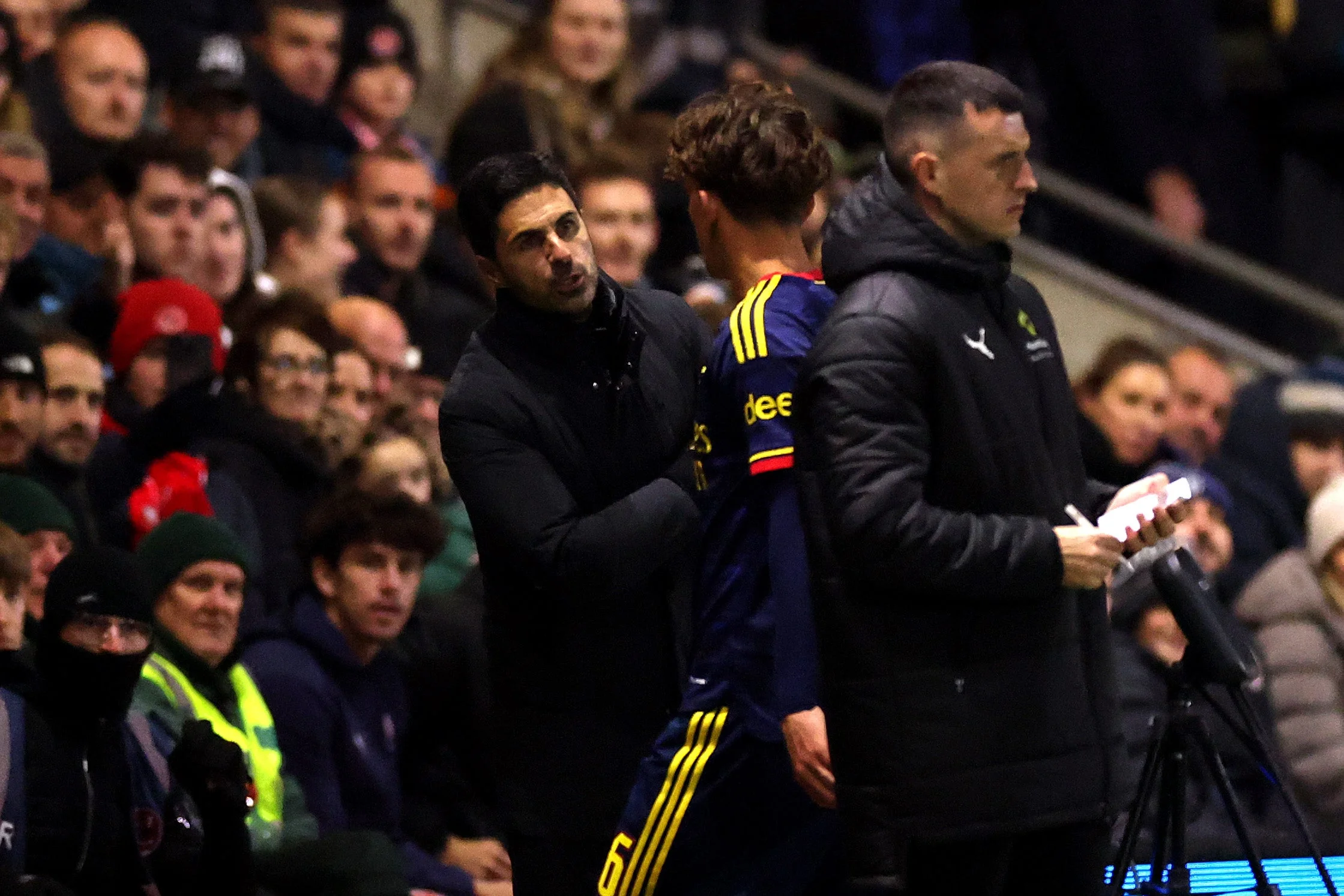
A repeated warning, and a failed appeal
The Fleetwood incident was not Dowman’s first recent dismissal: he was also sent off while playing for England’s Under-21s earlier this month. Arteta said he had discussed the risk with the forward before the match, and that opponents are likely to keep targeting him because of the way he plays. Dowman became the Premier League’s youngest-ever goalscorer last season, a distinction that helps explain why his treatment is attracting attention. It also puts the challenge in plain terms: opponents can test a young player physically, while his response remains his own responsibility.
“My reaction was in the heat of the moment and of frustration as I know the consequences for that and especially for Max,” Arteta said ahead of Arsenal’s trip to Liverpool on Sunday. He said the club would protect Dowman while being direct about what they expect from him. The manager added that he’d spoken with the teenager the previous day and that there were “no issues at all”. That suggests the confrontation hasn’t become a lasting dispute between them. It doesn’t erase the dismissal or the cost to the team, but it does frame the episode as a teaching moment within an ongoing relationship.
Arsenal’s appeal against Dowman’s three-game ban was rejected. The Football Association dismissed the club’s claims of “wrongful dismissal and excessive punishment”. Arteta said he was disappointed, arguing that the force of the challenge and Dowman’s age were relevant to the case. The decision leaves the ban in place and closes off the immediate route Arsenal had pursued to challenge it. Here’s the thing: even when a club believes a player has been provoked, it still has to reckon with the action that followed.
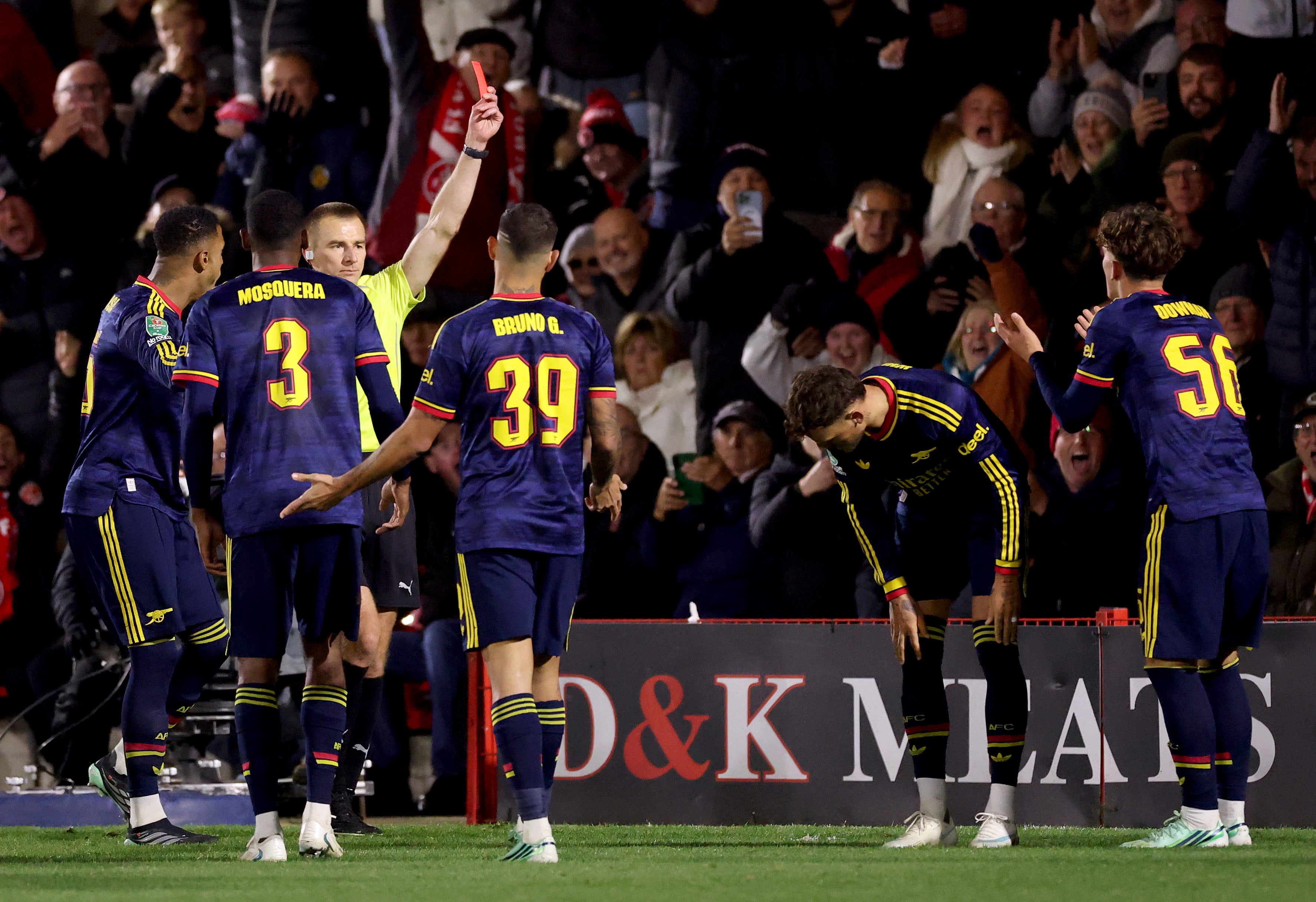
Arteta said Dowman’s response was “minimal” compared with the tackle and that Arsenal had a strong argument. He was also relieved the teenager had avoided a serious injury: “We are lucky he hasn’t got a broken foot.” The contrast between the challenge and the red card sits at the centre of Arsenal’s complaint, but the club’s appeal failed and Dowman’s reaction remains the part he can control. That said, the physical danger Arteta describes is not abstract to him; his relief about injury makes clear what he believes was at stake.
What the episode means for Dowman
For Arsenal, the immediate task is to help Dowman handle the physical attention his style attracts without giving opponents another opening to force him out of a match. That will require more than telling him to stay calm: he’ll need to recognise when contact is intended to provoke a reaction and make a choice that keeps him available to his team. There’s a practical lesson here, and a demanding one. The more attention a young player draws, the more valuable his discipline becomes.
This is more significant than it looks. A teenager’s development is shaped not only by chances to play, but by how a club responds when he makes a costly mistake. Arteta is trying to make two claims at once: Dowman deserves protection because of his age, and he must meet the same standards as his team-mates. If you’re working in this space, that tension will be familiar; supporting a young player doesn’t mean shielding him from consequences, but consequences alone won’t teach him how to respond next time. And this is the part most people overlook: the manager’s reaction is also part of the lesson Dowman will take from the incident.
Arteta says he has no issue with Dowman, and the pair have spoken. The next test is whether the forward can turn that conversation into a different response when opponents challenge him again. No guarantee comes with that process. A young player will make mistakes, but repeated dismissals can make it harder for a team to trust him with responsibility. The episode leaves Dowman with a clear message: the club will stand by him, and he’ll still be expected to keep his head.