FIFA bundles two World Cup rights cycles
FIFA is taking the U.S. rights for two World Cups to market at once, seeking to turn the audience surge around the 2026 tournament into higher value for the 2030 and 2034 cycles. The sale will test how much broadcasters and streaming platforms will pay when both tournaments bring less convenient match times for U.S. viewers. FIFA is asking potential partners to weigh a recent audience high against a less favorable viewing schedule, a tradeoff that could shape both the bids and the terms of any deal.
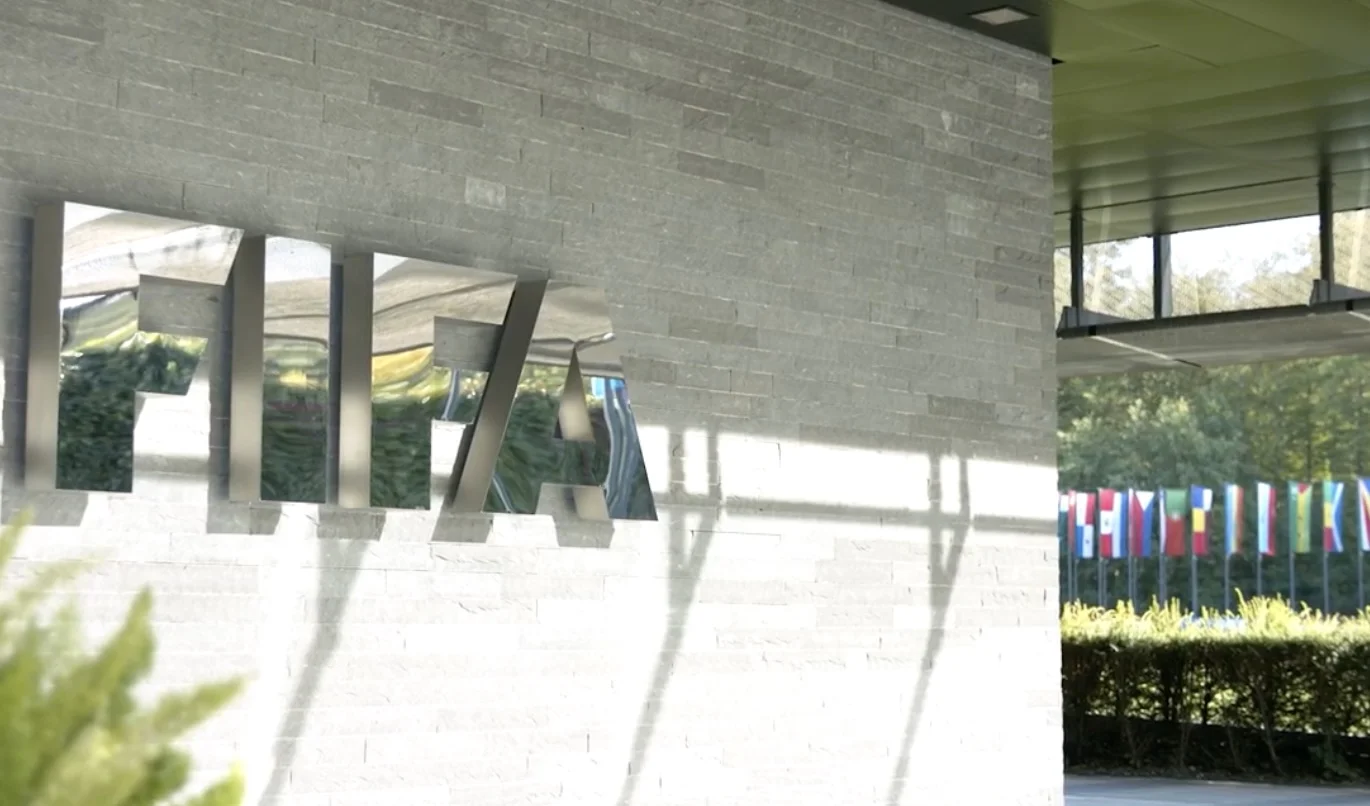
FIFA opened the tender on October 23. Proposals for coverage in the United States and Puerto Rico are due by noon EST on November 19. The invitation covers both the 2030 tournament and, as an option, the 2034 edition. That structure gives bidders a chance to consider a two-tournament package while leaving FIFA room to hear proposals for 2030 without a commitment to take 2034 as well. The distinction matters: companies must assess not just the potential audience, but how much uncertainty they’re willing to accept about rights and schedules across two cycles.
A record audience, with a tougher time-zone pitch
FIFA says the expanded 2026 World Cup averaged 13.5 million U.S. viewers across television and streaming for its 104 matches, 166% above Qatar 2022. Each U.S. national team match topped 20 million viewers, and the final averaged 63 million—the largest U.S. audience ever recorded for a soccer match. Those figures are a strong headline for the rights sale, but they describe a tournament that was expanded and played in the United States. They don’t, on their own, establish that the same level of attention will follow the competition when the host countries and viewing hours change.
Those numbers give FIFA a strong case to make to prospective rights holders. The next tournaments, though, won’t offer the same viewing conditions. Spain, Portugal and Morocco will host the main 2030 event, alongside three centenary matches in Argentina, Paraguay and Uruguay. Saudi Arabia is set to host in 2034. Kickoff times are likely to be less favorable for American audiences than those of a tournament played largely in the United States. For television and streaming companies, time zones affect more than convenience: they can influence how many viewers can watch live and how much value a live audience offers to advertisers.
Here’s the thing: FIFA is pairing the rights cycles while U.S. interest is high, even as the schedule may temper viewership. The move could broaden the bidding field. The tender is open to broadcasters and streaming platforms, and FIFA says it welcomes “innovative approaches” to reach larger audiences. A broader field might bring different ideas about distribution, but bidders will still have to make the economics work across markets and match times. A strong 2026 audience gives FIFA a reference point; it doesn’t remove the uncertainty around the next two tournaments.
Who might bid—and what the rights could bring
ESPN, Netflix, YouTube and Amazon Prime Video have been identified in industry reporting as possible contenders, alongside incumbent broadcasters Fox and Telemundo. Fox has carried the English-language coverage and Telemundo the Spanish-language coverage across the last three men’s World Cups in the United States. The range of potential bidders points to a rights market where traditional broadcasters and streaming platforms may compete for the same event, though their reasons for bidding could differ. For an incumbent, the rights can build on an established relationship with viewers; for a streaming platform, live matches could offer a way to attract attention to its service.
The eventual price is uncertain. Mandatory hydration breaks at the 2026 tournament created new in-game advertising slots, reportedly generating a $250 million to $330 million windfall for Fox. FIFA has not publicly confirmed whether the breaks will be required in 2030, leaving one potential source of advertising inventory unsettled. That’s a material gap in any forecast based on the 2026 event: a bidding company can’t simply assume that an advertising opportunity from one tournament will carry over to the next. The value of those slots also depends on the audience watching and the inventory a rights holder can sell.
Estimates place the combined rights value for the two tournaments as high as $4 billion. FIFA has yet to say whether it will sell English- and Spanish-language rights together or separately. The tender also allows for more than one rights holder. Those choices could affect who can compete and how a winning bidder plans coverage: separate packages may suit companies focused on one language, while a combined sale could appeal to a partner seeking broader reach. And yet the available formats don’t settle the larger question of what bidders will pay for matches that may draw fewer U.S. viewers live.
What the bidding will reveal
Secretary general Mattias Grafström said FIFA wants a partner able to reach fans “wherever and however they choose to watch.” For bidders, the central question is whether the 2026 audience gains can carry forward when the next tournaments move farther from U.S. prime time. That question reaches beyond the headline rights fee: distribution choices, advertising opportunities and the ability to bring viewers to live coverage will all shape the commercial case.
This is more significant than it looks: FIFA is asking the market to price both the strength of soccer’s recent U.S. audience and the limits of that evidence. A record final audience can make a package more attractive, but a final is one match, and the rights cover entire tournaments. Similar sports-rights deals typically turn on a mix of live reach, repeat viewing and the value advertisers place on reaching fans; the figures here don’t settle how those factors will play out across these cycles. If you’re working in this space, the split between 2030 and 2034 options, and between language packages, will be as telling as the top-line estimate. The hard part: converting a surge into a durable forecast.
The result should offer a useful measure of how media companies view the U.S. audience after 2026. If bids cluster around the near-term tournament, that would suggest the later cycle’s schedule and open questions are weighing on valuations. If companies pursue both editions, FIFA will have evidence that buyers see value beyond the immediate audience spike. Either way, the process will show whether rights holders believe they can keep fans engaged when watching live is less convenient.
Contact the writer, Harry Ewing, at [email protected]. The tender’s outcome will clarify what bidders think those audience figures can support. For now, FIFA has put the market’s confidence in future U.S. World Cup viewing directly to the test.