Ligue 1 is looking for a way to rebuild its domestic TV income without abandoning the streaming service it launched after DAZN left. The French league has opened a new rights process two years ahead of schedule, with a single package covering every match in each round. The decision puts two goals into the same negotiation: restoring dependable revenue for clubs and preserving a direct relationship with viewers through Ligue 1+. Whether broadcasters see those aims as complementary will help determine the value of the offer.
One package, two routes to market
The LFP board unanimously approved a tender for the 2027/28 to 2031/32 seasons. Bids open on November 3 and close on December 7. A change to French sports law in August allows the league to offer all nine matches per round together, rather than dividing the rights among several bidders. That structure gives the auction a clearer centre of gravity: a buyer can assess the full weekly schedule as one proposition, rather than competing for only part of it.
Interested companies can either acquire the rights and broadcast the games themselves or take exclusive distribution of Ligue 1+. That leaves the league room to pursue a conventional TV agreement while retaining its own platform as part of the arrangement. The distinction matters because the league has already built a service around the matches; handing distribution to a partner could bring reach and sales capacity, while a direct broadcast deal could give the buyer more control over presentation and customer access. The terms will determine how much of Ligue 1+’s existing role survives.
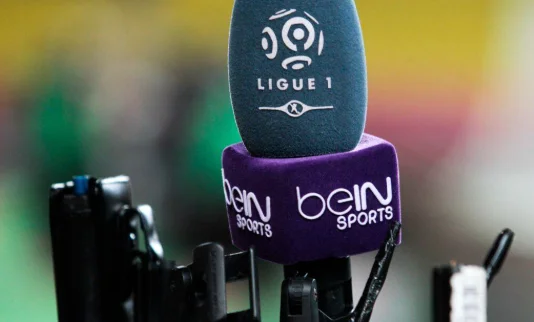
Ligue 1+ shows every top-flight match and had just under 1.1 million subscribers at the end of last season. But the service’s expected €150 million contribution to clubs this season falls short of the sums they once received from domestic broadcasters. According to Le Monde, the LFP is also using reserves to sustain club distributions after losing beIN Sports’ annual €78.5 million payment and the €85 million DAZN paid to end its deal. Those figures show the pressure behind the tender: subscriber numbers can establish a base, but they don’t by themselves replace large rights payments. This is more significant than it looks. The league’s negotiating position depends not only on attracting a new buyer, but on how much value it can retain from its own service.
A market still recovering
The latest auction follows years of upheaval. Mediapro’s €1 billion-a-year agreement collapsed shortly after it began in 2020. DAZN and beIN then agreed a package worth about €500 million per season for 2024–29, but DAZN negotiated an early exit a year later. The sequence has made long-term forecasts harder for clubs: a headline contract value matters little if the arrangement doesn’t last or the expected payments don’t reach them. Here’s the thing: the new tender is also a test of whether broadcasters believe the market has become predictable enough to support a multiyear commitment.
The presence of the back-to-back UEFA Champions League winners could strengthen Ligue 1’s appeal to broadcasters. LFP president Vincent Labrune said the league has received interest from potential partners and sees the timing as more favourable than in past tenders. A successful club can draw attention to the competition, but a league’s rights proposition has to hold across the full season, including fixtures without the biggest names. The interest Labrune describes is an opening, not evidence that a buyer will meet the league’s financial expectations.
“This decision comes in a new context. For several months, we have received a number of concrete expressions of interest from different market players,” he said. “The Ligue 1 is attractive and the timetable for this tender seems much more favourable to us than in the past for attracting interest from the main market players.” His comments frame the process as a response to changing market conditions. The auction will show whether that optimism translates into bids for the whole package and whether those bids can support club distributions at a level the league considers acceptable.
Canal+ chief Maxime Saada said this week that the broadcaster would consider French football again if the economics made sense. Netflix, Amazon, Apple, Disney+, Paramount and beIN have also been linked to the process, though none has publicly confirmed a bid. Their presence in the conversation reflects the range of companies that could, in principle, distribute sports programming. It doesn’t establish that any of them plans to enter this auction. If you’re working in this space, that distinction matters: reported interest can widen attention around a tender, but only a submitted offer can clarify the market’s view of its price and structure.
The fallback and what comes next
If the auction doesn’t produce an acceptable deal, the LFP can keep Ligue 1+ operating under its current arrangements until 2029 and revisit the market later. That option gives the league time, but it also leaves clubs exposed to the gap between the platform’s reported return and the income they previously expected from broadcast partners. The reported €150 million remains well below what a domestic rights deal would typically bring a leading European league. And yet, the ability to wait may help the LFP resist a deal it considers too weak; the cost is that clubs may have to keep relying on the service and the league’s reserves in the meantime.
The outcome will matter beyond the immediate auction. A single package could make the rights easier to assess, while the choice between buying the matches and distributing Ligue 1+ gives bidders different ways to approach the product. But the league still has to demonstrate that its audience, schedule and platform can support payments closer to its former broadcast income. There’s no guarantee that a cleaner sales structure will produce a stronger price. For clubs, the test is whether this process turns interest into sustained revenue. For viewers, it’s whether the league can retain a service that carries every match while securing a partner with enough reach to grow its audience. The practical question is what the bids actually offer.
Contact the writer of this story, Harry Ewing, at [email protected]