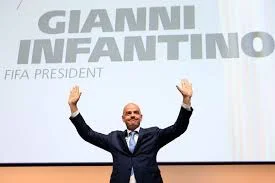
Gianni Infantino is seeking another term as FIFA president and says he has support from the “vast majority” of football associations, despite mounting criticism of his leadership. That claim puts the contest over his future in two different registers: the support he says he has among member associations, and the questions critics are raising about how he uses the office. Neither, by itself, tells the whole story.
In football governance, a president's standing depends heavily on the relationships between FIFA and its national associations. Those associations are the organization's members, and their support can carry weight when leadership is being tested. But a statement that most associations back a candidate isn't the same as a public, independently verifiable account of how each will vote. Infantino's wording signals confidence; it doesn't settle the argument about his record.
FFE proposal draws scrutiny
Speaking to the BBC on the sidelines of the U-15 World Cup in Baku, Azerbaijan, Infantino defended his actions. Critics have focused on the scrapped FIFA Forward Enterprise proposal, which would have offered the World Cup to private equity investors.
The proposal matters because the World Cup isn't an ordinary commercial asset. It's football's most prominent international tournament, tied to FIFA's identity, its relationships with member associations, and the expectations of supporters who see it as a competition with a broader purpose than generating revenue. A proposal involving private equity therefore raises a basic governance question: who would gain influence over the event, and what would FIFA expect in return?
The available account doesn't describe the proposal's full terms, its intended structure, or the reasons it was scrapped. Those gaps matter. Without them, it's not possible to assess what rights an investor might have received, how any return would have been calculated, or whether FIFA would have retained final control over tournament decisions. The criticism still has a clear focus: the idea brought private capital into a conversation about the future of the World Cup, a competition whose value extends well beyond a financial balance sheet.
Private equity investment can take different forms. In general, investors may seek a financial return and may negotiate a role in how an asset is managed, but the details depend on the arrangement. The label alone doesn't show that an investor would control a tournament. In this case, the description says the proposal would have offered the World Cup to investors; it doesn't establish what that offer entailed. That's precisely why critics and FIFA's leadership face pressure to explain what was contemplated.
There is a practical difference between selling a commercial right and giving an outside party a say in the governance of a competition. Sponsorship, broadcasting and other commercial arrangements are familiar parts of major sport. An investment proposal can reach further, depending on its terms. (And this is the part most people overlook.) The central issue isn't simply whether outside money is involved; it's what decision-making power, if any, follows the money.
Support and scrutiny can coexist
Infantino's assertion of support and the criticism over the FFE proposal aren't mutually exclusive. A president can retain backing among associations while facing questions from other parts of football about a particular decision. Support from member bodies speaks to political standing inside FIFA. Scrutiny of the proposal speaks to the judgment and transparency behind a specific initiative.
That distinction is useful for readers trying to make sense of the dispute. Leadership support may reflect an association's view of FIFA's direction, its relationship with the president, or other considerations; the source doesn't specify which. Likewise, criticism of the proposal doesn't tell us whether all critics oppose private investment in sport, or whether their objection is directed at this proposal's concept, process, or possible consequences. Treating either side as a single unified bloc would claim more than the available information supports.
For a governing body, the way an idea is developed and explained can matter as much as its stated commercial purpose. If a plan touches the tournament that defines the organization, stakeholders are likely to want clarity on who proposed it, who would benefit, and which safeguards would apply. When those answers aren't available, uncertainty can fill the space. That doesn't prove misconduct or establish what the proposal would have done; it does explain why the proposal has become a point of contention.
What the dispute says about FIFA's priorities
The FIFA Forward Enterprise proposal also highlights a recurring tension in sports administration: governing bodies are expected to protect the integrity and identity of their competitions while finding ways to fund and develop football. The World Cup's commercial appeal makes that tension especially visible. Any move to bring investors closer to the tournament's value will invite questions about whether the financial terms fit the organization's public responsibilities.
Those questions are about priorities as much as mechanics. If you're working in this space, the key detail to watch is the boundary between financing and control. A capital partner might provide money under terms that leave the governing body in charge, or an arrangement might create influence that supporters and associations consider inappropriate. Without the terms, neither conclusion is justified. But clear explanations are essential if leaders want stakeholders to judge the proposal on more than its name.
This is more significant than it looks. The proposal was scrapped, but its appearance in a debate about the World Cup gives critics a concrete example to raise when assessing Infantino's leadership. For him, defending his actions means addressing not only whether he has support, but also why the proposal was considered and what the organization learned from the criticism. For FIFA's members, the question is whether they consider his broader direction persuasive enough to outweigh concerns over this episode.
The questions that remain
The source leaves several important points unanswered: what the FFE proposal's terms were, how far it progressed, which associations have stated their positions, and what Infantino said in his defense beyond the available summary. Those details would help distinguish a preliminary idea from a developed plan and clarify the nature of the criticism. For now, readers should be cautious about treating either “vast majority” or the investor proposal as a complete account of the dispute.
There is also a difference between a claim of political support and a mandate for every decision. A president seeking another term can point to backing from associations; critics can still argue that particular choices deserve a fuller explanation. That said, the proposal's cancellation leaves a question hanging over the debate: was it a flawed idea, a flawed process, or both? The reported information doesn't answer that.
Infantino's bid is therefore being discussed through two lenses: the support he says he commands and the criticism attached to his handling of the FFE proposal. The first is a claim about his position within FIFA. The second is a test of how the organization weighs commercial opportunity against confidence in its governance. More information about the proposal and the support behind his bid will determine how much either tells us about his prospects.
Until then, the clearest conclusion is a limited one. Infantino says most football associations support another term, while critics continue to focus on a proposal that would have brought private equity investors into the World Cup. That combination leaves his political standing and his judgment under debate. A fragment of the larger story, but a revealing one.