Results and standards collide
Gary Neville’s criticism of Manchester United after Sunday’s 3-0 defeat to Bournemouth went beyond Michael Carrick’s results. The former United defender argued that the squad’s attitude and standards have left the manager exposed, pointing to a run of eight games without a win and what he sees as a pattern of players switching off. That distinction matters: a poor run can be explained by form or tactics, but Neville’s complaint is that the team’s response has become a problem in its own right. A manager can set expectations, yet those expectations only count if players carry them onto the pitch.
The defeat has sharpened an argument about responsibility. Carrick is the manager and will be judged on results, but Neville’s account shifts some attention to whether the squad is meeting the demands of its role. That doesn’t settle the question of how much blame belongs with the players or the coaching staff. It does make the scale of the problem harder to describe as a run of bad afternoons alone.
Public criticism and dressing-room trust
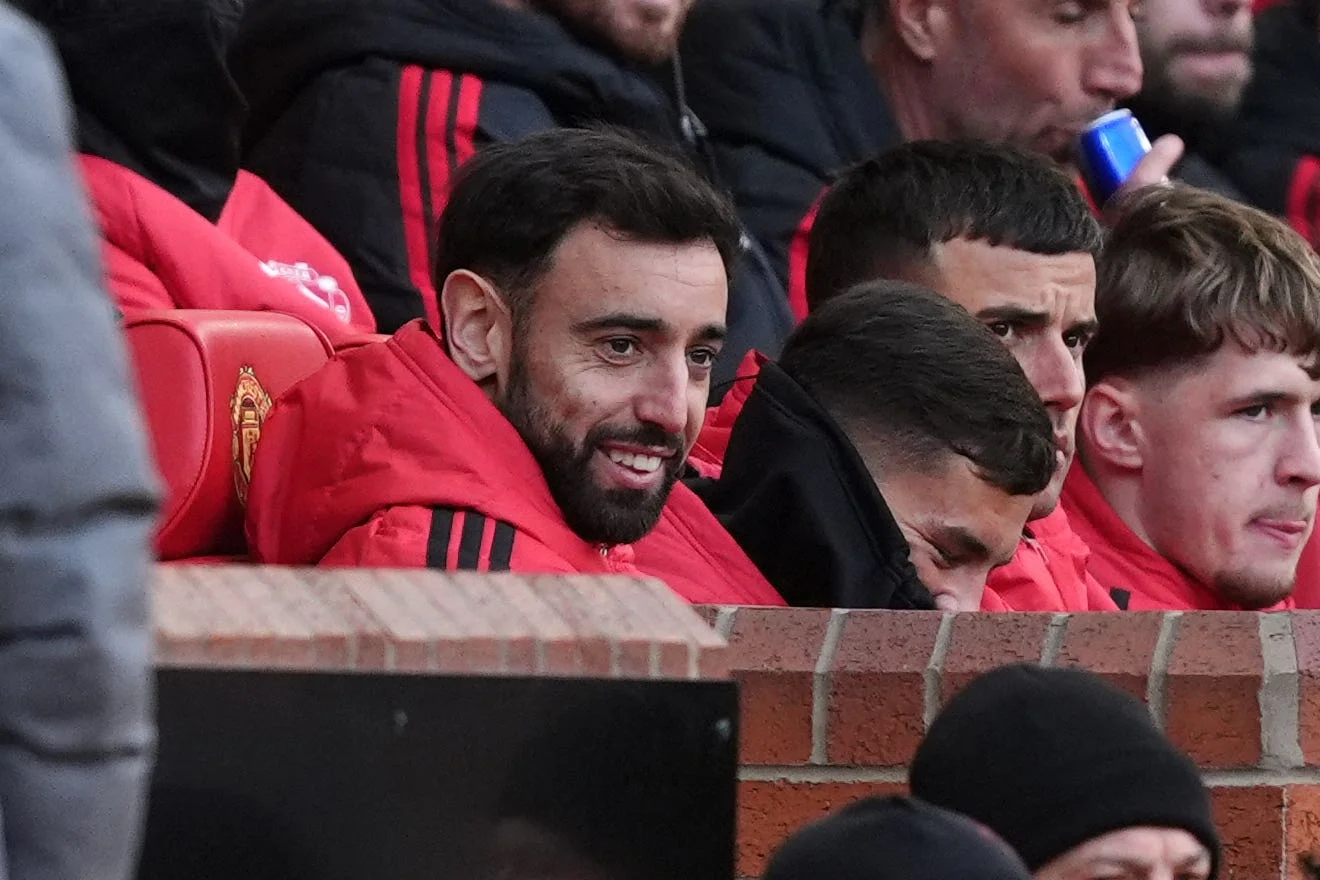
Carrick, who played alongside Neville under Sir Alex Ferguson, had dropped captain Bruno Fernandes after Fernandes criticised his tactics following a 4-1 defeat to Como in midweek. Lisandro Martinez had also spoken out against United’s hierarchy after the club’s loss at Atletico Madrid earlier this month. Neville suggested Fernandes’s public comments raised questions about the mood inside the dressing room. The sequence puts the manager in a difficult position: he has to respond to criticism while also trying to restore the team’s focus.
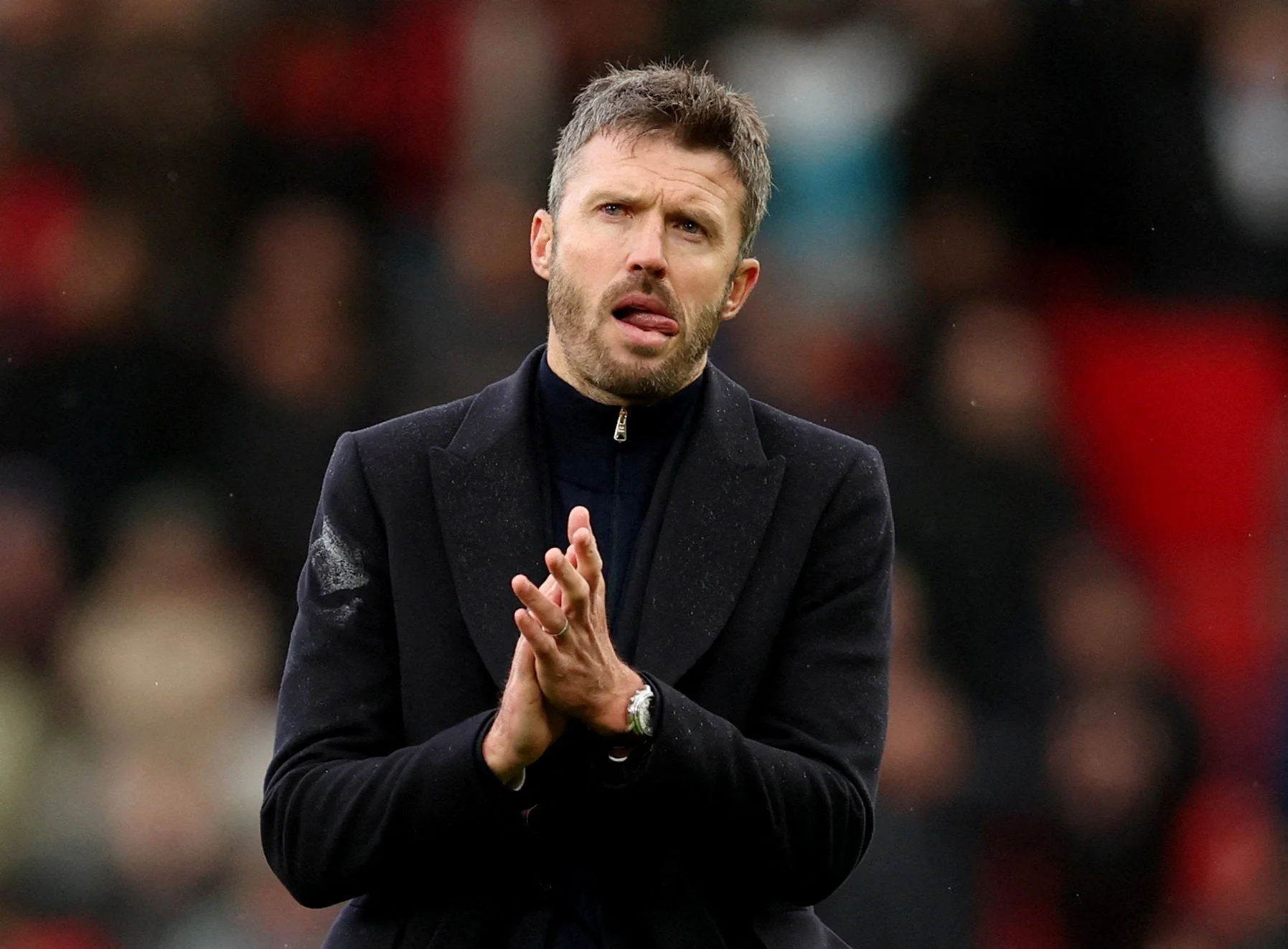
Speaking on Sky Sports, Neville described Carrick as a person of “integrity, of credibility, of decency, of professionalism”, while faulting the players for failing to match those qualities. He said Carrick had been unable to get a response from the squad and was now suffering because the players had “turned on him”. That is a severe judgment, and it rests on Neville’s reading of events rather than any direct account of what happens inside the dressing room. Still, his defence of Carrick makes his criticism more pointed: he’s arguing that the manager’s character and the players’ conduct are moving in opposite directions.
“If Bruno has turned on him publicly, with that little statement, imagine what they’re like behind the scenes,” Neville said. He called the prospect of similar criticism in private “horrific”, arguing that the captain’s remarks could reflect a wider breakdown in trust. A public disagreement doesn’t by itself prove that a squad has split, but it can make questions about unity harder to avoid. (And this is the part most people overlook.) For a manager, visible dissent can become a performance issue when it distracts from preparation and collective responsibility.
Professional habits under scrutiny
Neville’s sharpest charge was that some players aren’t meeting basic professional expectations. He accused them of neglecting sleep and diet, and of failing to put the club at the centre of their lives. Those claims are broad, and the source material doesn’t identify individual players or offer evidence about their daily routines. But the underlying point is clear: Neville believes standards away from match day shape what supporters see during it.
“They still walk around like King William. They are nothing, some of those players,” he said. The language is deliberately cutting, and it makes the dispute about more than tactics or selection. If you're working in this space, the distinction is familiar: coaching can organize a team, while habits and effort determine whether players sustain that organization under pressure. Neville’s view is that United have a problem at that second level. A forceful claim. It’s also one that needs to be judged against what happens on the pitch, rather than accepted as a complete explanation on its own.
Carrick’s appeal meets the result
Carrick had made a similar appeal for higher standards before the Bournemouth match. He spent nearly six minutes at the start of Friday’s press conference talking about sacrifice, humility and hard work, and about respecting the responsibility of representing United. The length and subject of that address suggest he wanted to make the team’s obligations explicit before the match. Yet a message from the manager has limited force if the performance that follows appears to confirm the very concerns he raised.
Fans applauded Carrick as he left the pitch after the Bournemouth defeat, while the players were booed. Neville called United’s display “a nothing of a performance” and cited recent matches against Tottenham, Como, Atletico Madrid, Leeds and Fulham as evidence of a recurring problem. The contrast in the crowd’s reaction is telling, though it doesn’t amount to a verdict on what should happen next. It does show that supporters can distinguish between their view of a manager and their frustration with the team’s work on the pitch.
The test ahead
“This is a pattern of nothings, of players switching off and downing tools,” Neville said. For United, the immediate test is whether the squad can show a response on the pitch; Neville’s argument is that Carrick’s future may depend on standards the manager can’t impose alone. The next performance will offer a practical measure of whether the team can answer criticism with greater concentration and effort. It won’t settle every question about tactics, selection or trust, but it can show whether the players are prepared to act together.
This is more significant than it looks because it places the manager’s authority and the players’ accountability in the same frame. A coach can demand discipline, but a team has to enact it; when that gap becomes visible, poor results start to look like symptoms of a wider failure. That said, Neville’s assessment is an argument, not a full diagnosis, and the available facts don’t establish what players say privately or why performances have dipped. What this means for you as a reader is that the response matters more than another round of declarations: United need to show, in the work of a match, whether Carrick’s call for higher standards has landed.