A familiar celebration, a different kind of night
José Mourinho’s return to El Clásico delivered the result Real Madrid needed and a celebration familiar to Barcelona fans: a knee slide at Camp Nou. Kylian Mbappé struck twice, with his second goal arriving in the 88th minute to seal a 2-1 win and end Barcelona’s unbeaten start to the LaLiga season. The scoreline gave Madrid the points; the timing gave the victory its drama.
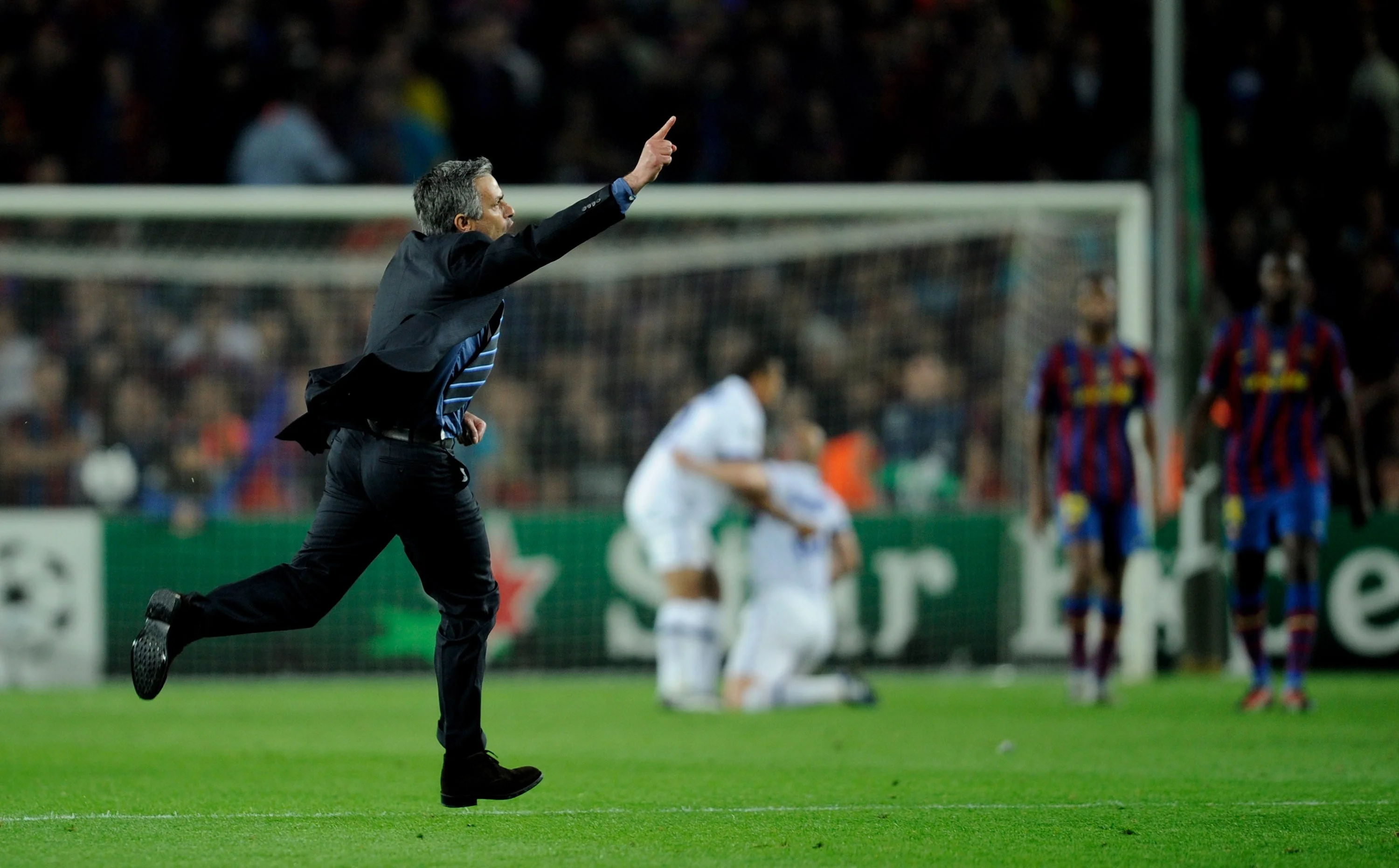
The late finish also made the match feel like a replay of one of Mourinho’s most memorable nights at the stadium. His reaction echoed his celebration there in 2010, when Inter Milan beat Barcelona in the Champions League semi-finals. The setting and gesture connected the two occasions, even though the source of the result was different: this time, Madrid’s decisive moment came from a counterattack and Mbappé’s finish.
Mourinho was managing the fixture for the first time since returning to Real Madrid, 13 years after his first spell at the club ended. That gap gives the match an added personal dimension, but the result mattered on its own terms too. Barcelona had entered the game unbeaten in the league, and Madrid needed to withstand a sustained second-half push before turning one mistake into the winning goal.
“It was the most difficult match, against the highest quality opponent, one that had only won in the league,” Mourinho said after the game. “For us, it's the victory with the most impressive performance.”
Mbappé gives Madrid the edge
Real looked more purposeful during a cagey opening, with both teams creating half-chances. The breakthrough came in the 41st minute: Yan Diomande crossed from the left, and Gerard Martín’s attempted clearance struck the advancing Mbappé and deflected into the goal. It was an untidy route to the opener, but Madrid had created the situation that put Mbappé in its path.
Barcelona had a chance to respond before half-time after a fortunate ricochet, but Lamine Yamal couldn’t score from close range. That missed opportunity left the hosts trailing at the break, though it didn’t settle the contest. In a match where both teams had already found ways into the opposing area, one missed chance was a warning about how narrow the margin could be.
The hosts drew level in the 61st minute when Pedri’s reverse pass found Raphinha in space inside the box; the Brazilian finished into the corner. The goal changed the feel of the game. Barcelona now had a clear route through Madrid’s defence, while the visitors had to respond to pressure rather than dictate the rhythm with their quick passing.
Real’s quick passing had exposed Barcelona’s defence early, but after conceding, the visitors struggled to play through Barcelona’s pressing. Madrid’s defence faced a growing stream of attacks and relied on late blocks, while the team still threatened on the counter. That tension is central to the result: Madrid didn’t control the second half, yet it kept enough danger in reserve to punish a lapse.
Here’s the thing: a team can look less comfortable for long stretches and still manage the match’s decisive moments. Madrid’s defenders had to deal with Barcelona’s attacks, and the counter remained a potential escape route. The balance was fragile. One loose touch would be enough to turn the pressure back toward Barcelona.
A late counter settles the contest
With three minutes left, a loose touch from Barcelona substitute Gabriel Jesus gave Madrid the opening. Eduardo Camavinga, also introduced from the bench, used his pace to get behind the defence and squared the ball for Mbappé to finish into an empty net. The move was direct and decisive: Camavinga turned a turnover into a chance before Barcelona could recover its shape.
That sequence also shows why the late goal carried more weight than a routine finish. Barcelona had been pressing and building attacks, but a mistake in possession left space behind the defence. Camavinga reached it, Mbappé completed the move, and Madrid converted a difficult period into a winning moment. The numbers here are underwhelming as a measure of the drama: a two-goal performance from Mbappé tells only part of the story.
The goal decided a match that had swung from Madrid’s first-half advantage to Barcelona’s second-half pressure. For Mourinho, the late winner brought both a statement result and a vivid reminder of his earlier night at Camp Nou. And yet, the strongest evidence of Madrid’s achievement is not the celebration. It’s that the team survived the period when Barcelona had the initiative and still found a way to win.
What the result says about both teams
For Madrid, this was a result built on two different phases of the match. Its early passing helped create the opening goal, while its later defending kept Barcelona from turning pressure into a second score. The winning counter required a mistake from the hosts, but Madrid still had to recognize the opening and execute quickly. That combination matters more than any single image from the night.
For Barcelona, the defeat ends an unbeaten league start, but the match also showed how its pressure could disrupt Madrid after the equalizer. The hosts created a sustained stream of attacks and forced the visitors into late blocks. The cost was that the game remained open enough for a transition to decide it. If you’re working in this space, that’s the tension to watch: pressing can create chances, but it can also leave a defence exposed when possession breaks down.
This is more significant than it looks for Mourinho’s return. A win over an unbeaten opponent gives his side an immediate result to point to, while the manner of the finish reinforces the value of staying dangerous under pressure. Still, one match doesn’t establish a longer pattern. Madrid will need to reproduce the defensive resilience and attacking threat shown here across more than one high-profile night.
Barcelona, meanwhile, will have to weigh the threat its second-half approach created against the space it conceded late. The account of the match offers no reason to treat the loss as a verdict on the season; it does show how quickly the balance can shift when a team commits forward and then loses the ball. A lesson, perhaps. Mourinho’s knee slide will draw attention, but the result came down to a much smaller detail: a loose touch, a fast run, and Mbappé in the right place.
Includes reporting from Reuters