Michael Carrick’s position at Manchester United may be close to untenable, but his possible departure would answer only the most immediate question facing the club. United sit 16th in the Premier League and 20th in the Champions League, have gone eight games without a win and have suffered successive heavy defeats. The broader problem is that the team looks short of pace, depth and defensive reliability—and there’s little sign that the people above Carrick have a clear plan to address those weaknesses.
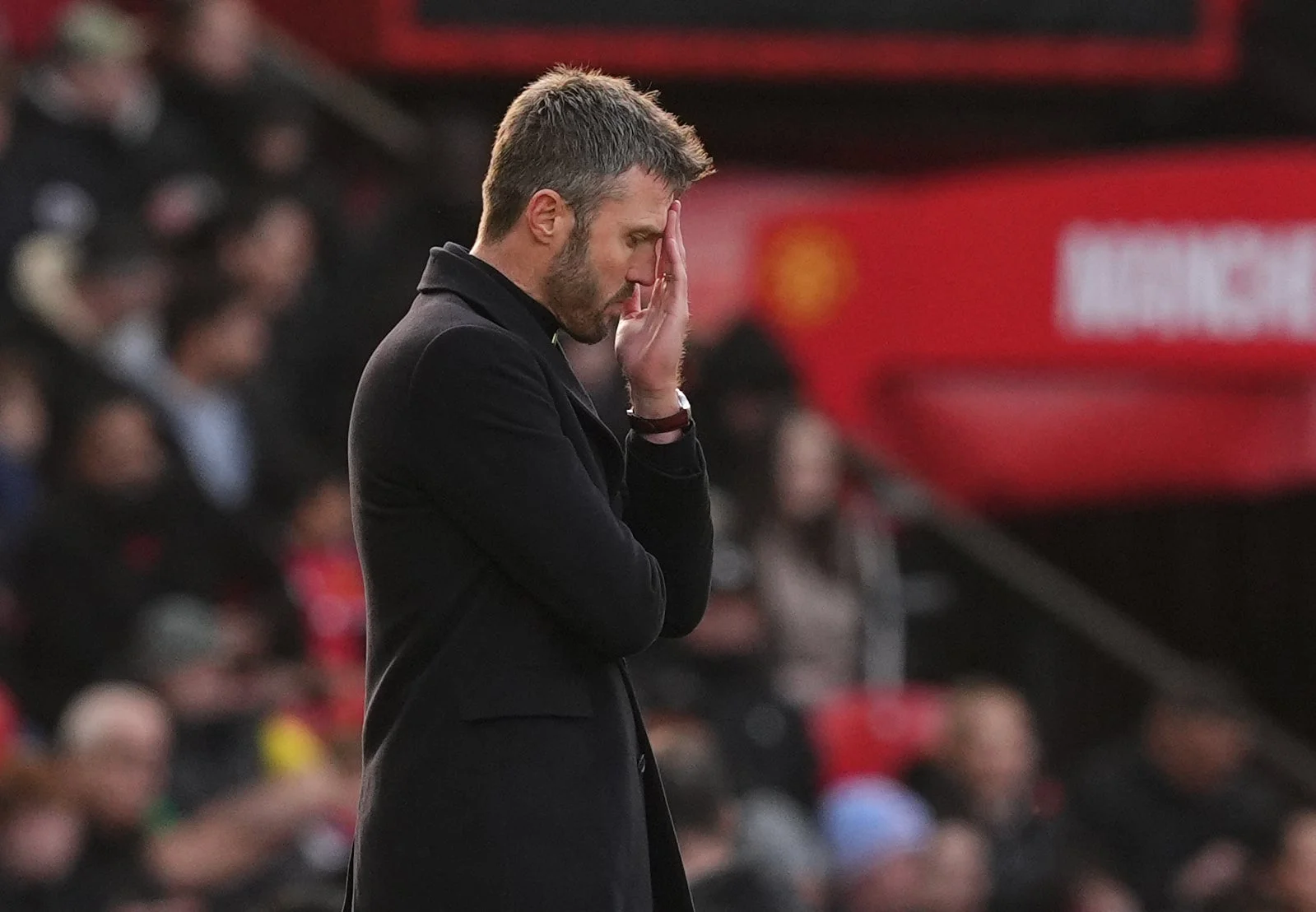
Carrick’s fall has been striking. After arriving in January, he put together the Premier League’s best record over the remainder of last season. His early work suggested a manager who could settle on a formation, win the room and change games with his substitutions. Now, after the Bournemouth defeat, he says there are “a lot of questions to find the answers to.” Asked why things had reached this point, he admitted: “If I really had the answer, I wouldn’t have let it happen.”
Michael Carrick is facing the familiar United cycle in which a manager is held responsible for a team’s failings, then replaced without the underlying issues being resolved. His record makes the likely end of his spell harder to explain, but the rapid collapse also shows how little of last season’s improvement has lasted.
A squad that gives the manager few good choices
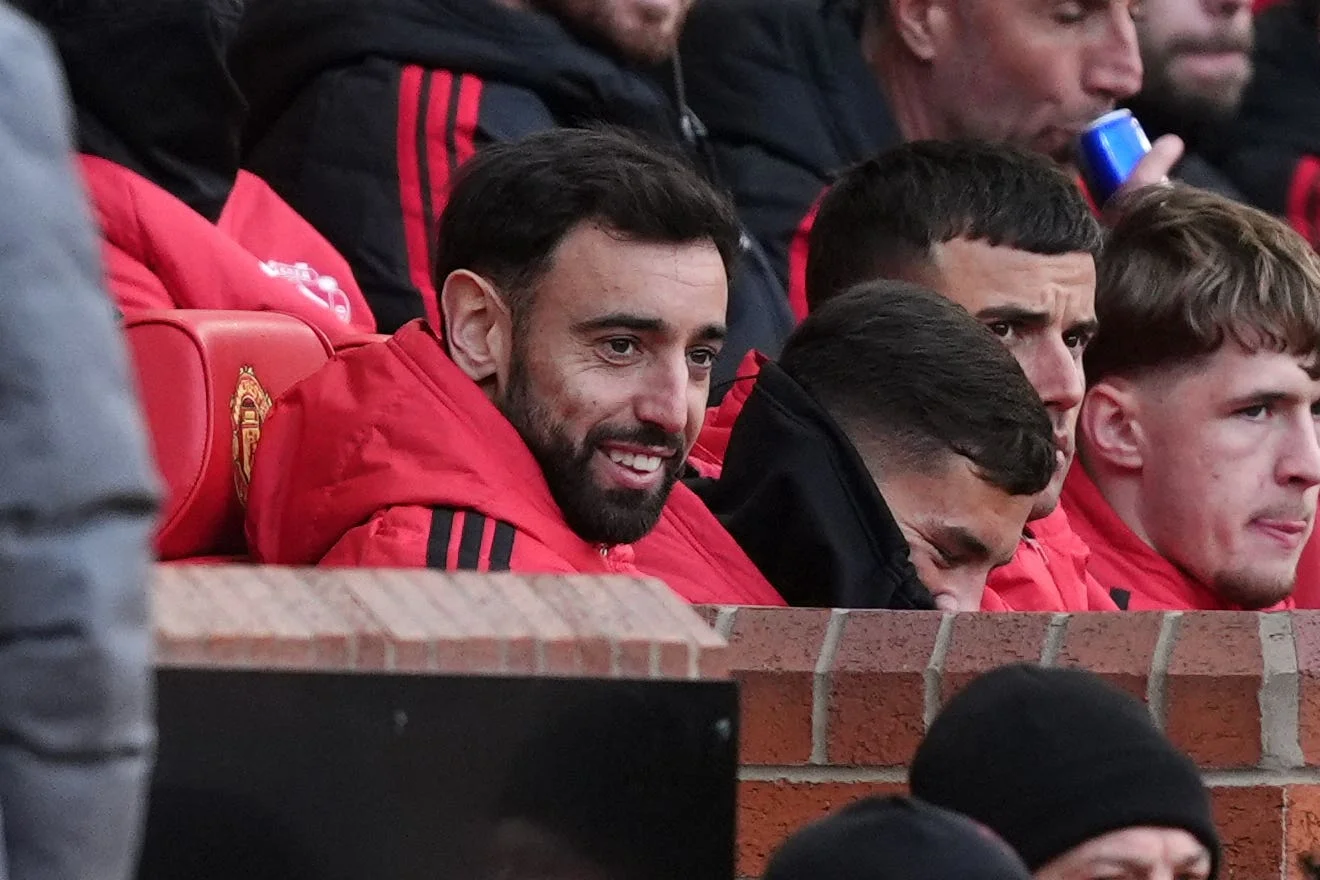
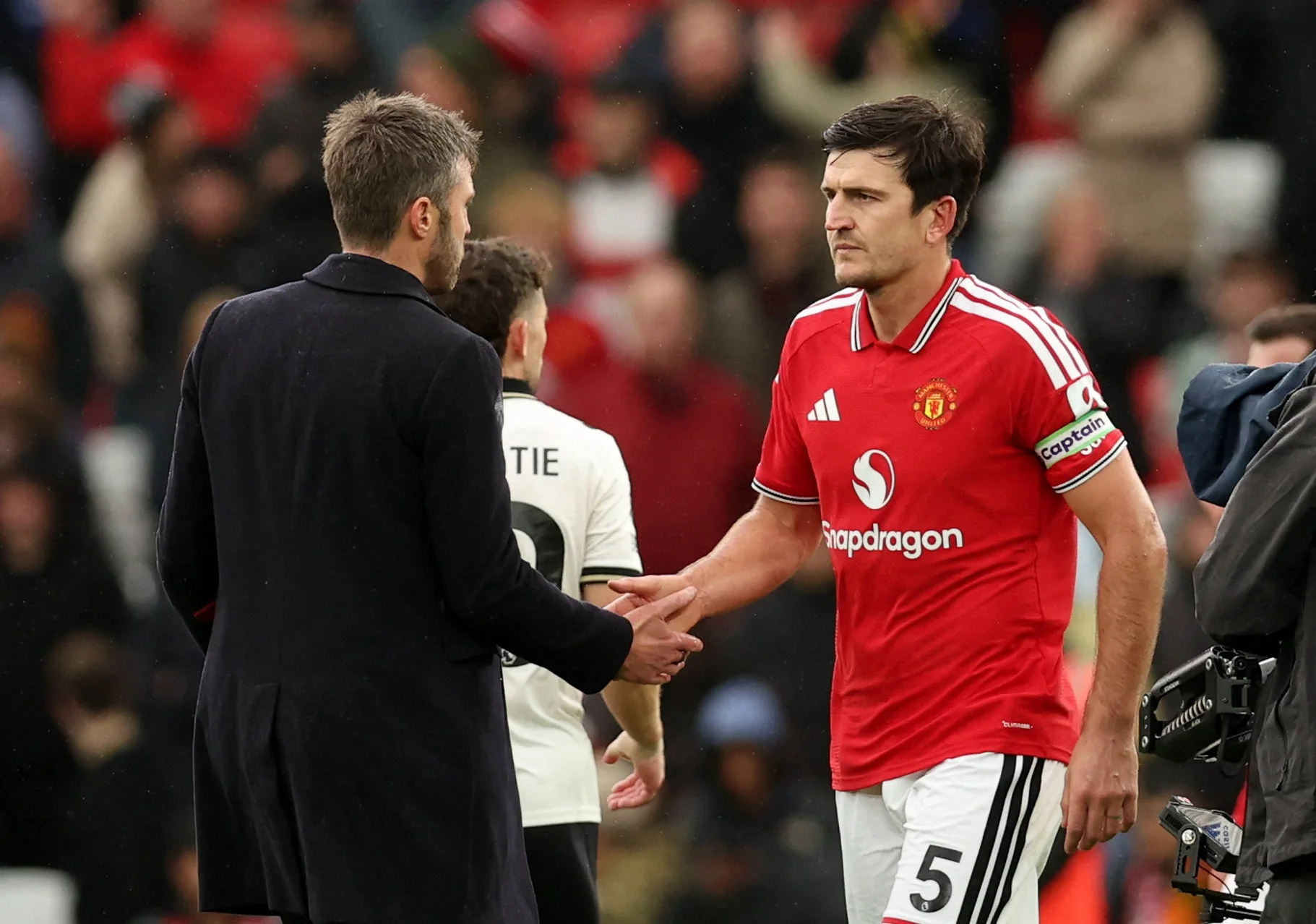
The Bournemouth game brought the club’s conflicting eras into sharp focus. Carrick used the 3-4-3 associated with Ruben Amorim, while Harry Maguire wore the captain’s armband after being selected for that role by Ole Gunnar Solskjaer. Bruno Fernandes, United’s most influential player in recent years, was left out after criticising Carrick’s tactics. Even as the team struggled, Carrick brought on Joshua Zirkzee and teenager Shea Lacey before turning to Fernandes.
That decision points to a relationship that may have broken down, though the reasons for leaving Fernandes unused remain unclear. His absence was especially conspicuous given his importance to United since Sir Alex Ferguson retired. He has had his own dips in form, including late in Erik ten Hag’s tenure, but the question remains whether a squad built around individual personalities can give a manager the authority and consistency needed to turn results around.
The team’s troubles extend well beyond one selection decision. A long list of players has struggled this season, including Fernandes, Maguire, Senne Lammens, Diogo Dalot, Lisandro Martinez, Ayden Heaven, Andrey Santos, Youri Tielemans and Matheus Cunha. When performance problems reach across the squad, it becomes difficult to treat them as a matter of one player or one tactical choice.
Fitness and mobility are another concern. Too many players appear unable to cover ground at the required pace and distance. That may reflect preparation, recruitment or both. Carrick’s 3-4-3 against Bournemouth looked like an attempt to protect central players who lacked the legs to cover the space around them. A formation can mask a weakness for a time; it can’t supply the running a team needs over a full match.
United’s defence offers no steadier foundation. They have conceded early in European matches and late in domestic ones, as well as from set pieces, individual mistakes and opponents reduced to 10 men. On multiple occasions, they have allowed two goals in quick succession. That variety matters: there isn’t a single defensive flaw for a manager to isolate and fix. The repeated breakdowns suggest a team that struggles to reset when a match turns against it.
Nor have the players shown the resilience Carrick has asked of them. His approach has been to support them and build confidence, but the response has not followed. When United needed a reaction, they surrendered twice in five days. That collapse puts pressure on Carrick, while raising a harder question about the squad’s character and whether the club has assembled a group capable of sustaining a demanding run of form.
Recruitment has narrowed the options
Some of Carrick’s choices have looked wrong, but the right starting eleven has often been difficult to identify. Sporting director Jason Wilcox has left gaps in the squad, both in numbers and in quality. Martinez has publicly clashed with the hierarchy, and the shortages are visible on the pitch. Cunha has struggled as a centre-forward, while the recognised options there are Benjamin Sesko, who has had injury problems, and Zirkzee, whose performances have disappointed.
Left-back tells a similar story. Luke Shaw is the only player whose preferred position is there, and he is currently injured. Four other players have been tried in the role without convincing results. These are not minor complications for a coach: they limit the available combinations and force players into positions that don’t suit them.
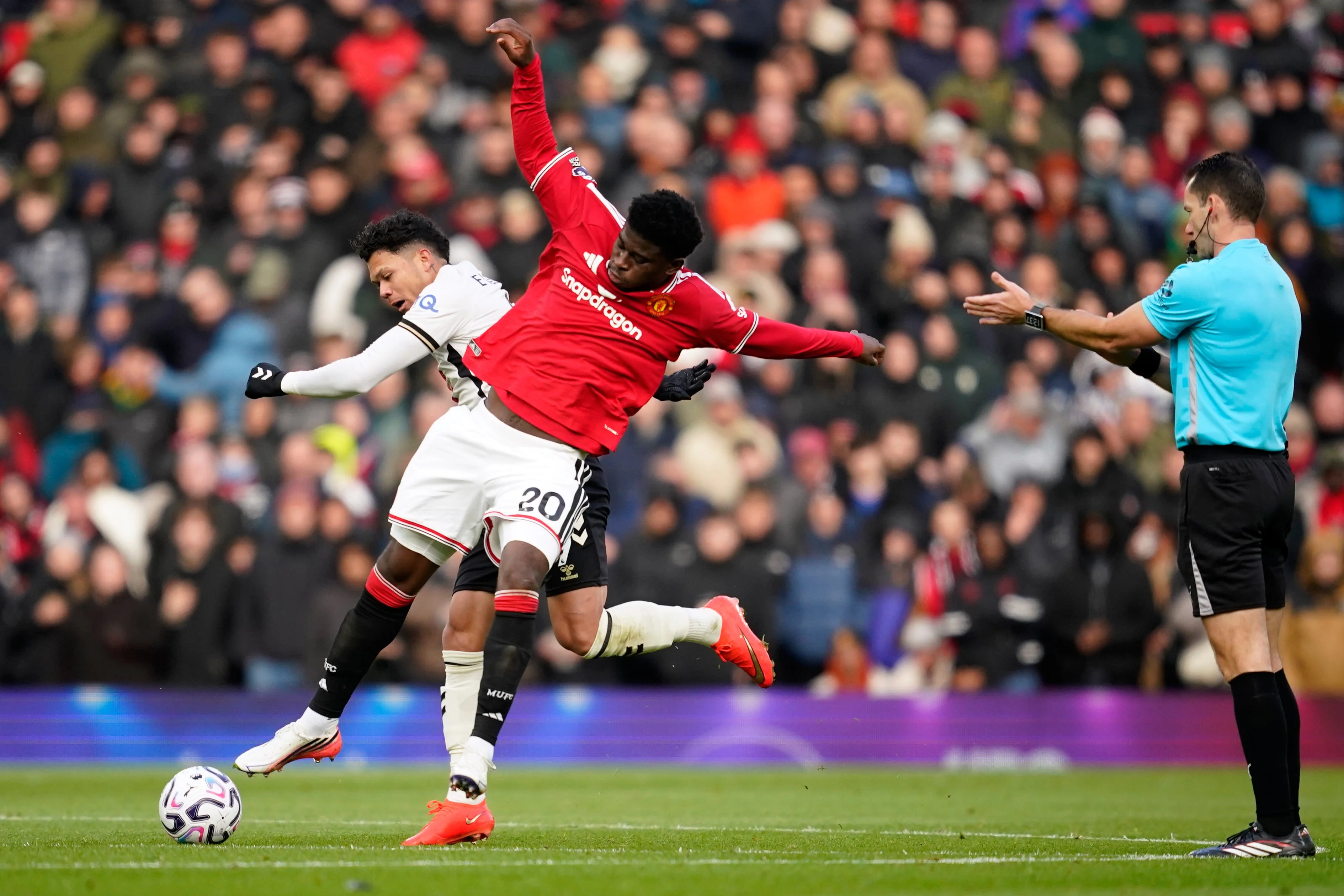
Midfield is the sharpest example. Carrick knows the area well, but the only pairing that worked for him was Casemiro alongside Kobbie Mainoo. Casemiro is gone, and Mainoo is sidelined. Wilcox’s £155m midfield overhaul was meant to change that picture, yet the replacements haven’t supplied a stable alternative. Carlos Baleba made a promising start before his form fell away. Tielemans has struggled in a two-man midfield and has been moved further forward. Santos has started six matches, five of which United have lost.
That context doesn’t erase Carrick’s responsibility. His spell at Middlesbrough began well before its momentum faded, and the same pattern may now be taking shape at United. His appointment at Old Trafford was based on a substantial interim run: he took 39 points from 17 games. But his early success has given way to a team that looks unsure of its shape and unable to cope with setbacks.
A managerial change won’t answer the club’s questions
United’s leadership has a decision to make about Carrick, whose dismissal could come only two months into the season. Yet the club’s directors and executives would need to explain what they believe a new manager could realistically change with this squad, and what they intend to do about the gaps Carrick has exposed. A caretaker appointment was one of the few recent decisions by Wilcox and chief executive Omar Berrada that appeared to work. Removing Carrick now would put more pressure on a leadership record that has already drawn criticism.
For United, the immediate takeaway is bleak but clear: results have made Carrick’s job precarious, while the squad’s limitations make any replacement’s task difficult. The club needs answers on recruitment, fitness, defensive organisation and the team’s ability to respond under pressure. Until those problems are addressed together, another change in the dugout risks resetting the cycle without changing its direction.