Liverpool’s revamped attack has started to find its rhythm, but Virgil van Dijk says one promising display won’t answer the bigger question: who can take responsibility for the goals Mohamed Salah left behind? The issue is bigger than replacing one player’s output. Liverpool need to find a reliable way to spread that responsibility across a forward line that’s still learning how its pieces fit together.
The Reds captain was speaking after Liverpool beat Brighton 2-0 on Sunday. Alexander Isak, Bradley Barcola, Florian Wirtz and Cody Gakpo made their first start together, with Isak scoring for the sixth time in six league matches. Barcola set him up, while Wirtz’s deflected effort opened the scoring. It was a useful demonstration of what the group can produce, though one match can’t show whether the same connections will hold up when opponents change their approach or the schedule gets demanding.

The challenge left by Salah
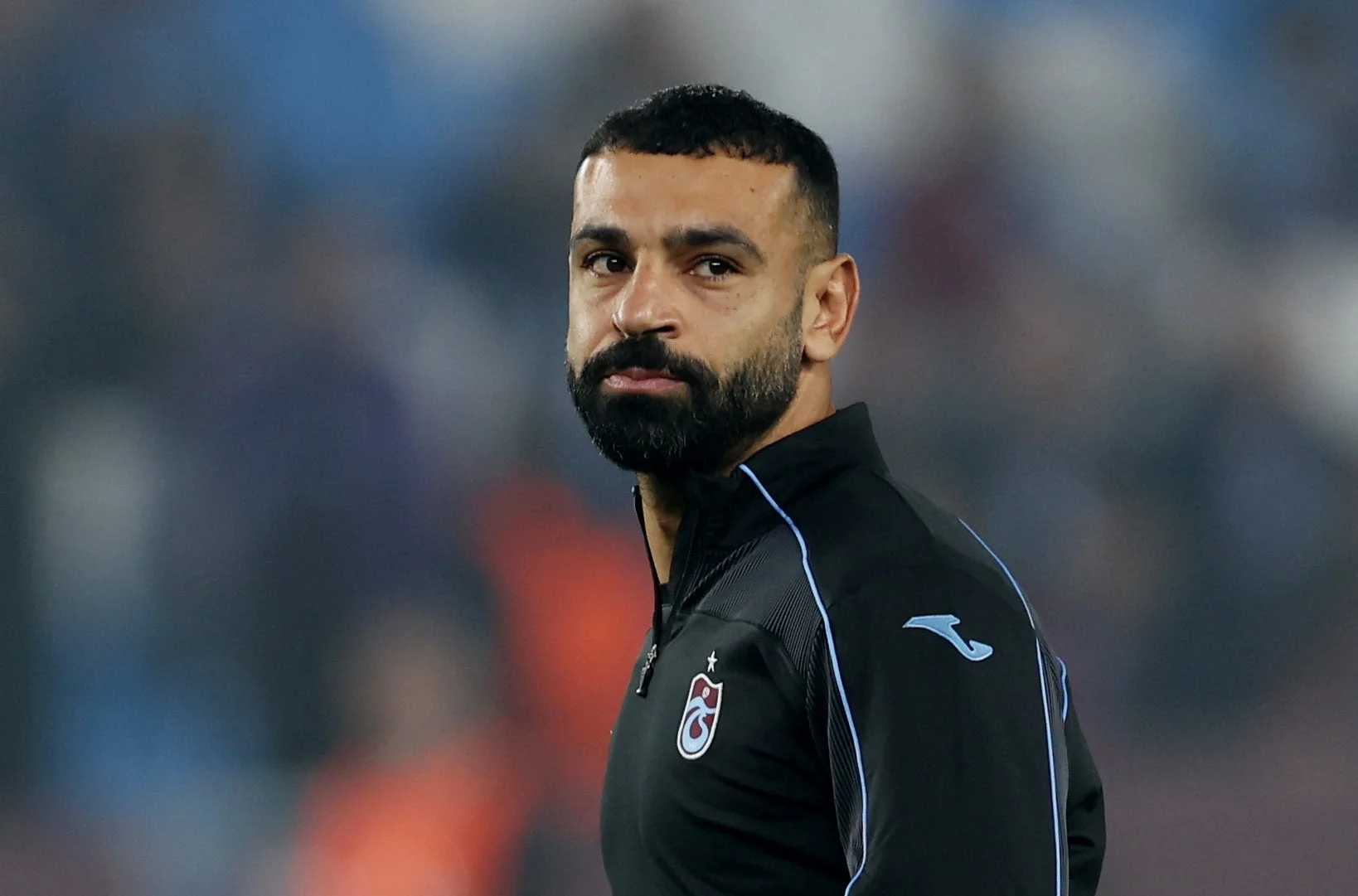
Salah left Liverpool in the summer after cutting short his contract by a year, following a disappointing campaign. He has since scored 10 goals in 10 appearances for Trabzonspor. Van Dijk said the Egyptian’s record over many years as a winger would be difficult for any player to match. That distinction matters: the question isn’t simply which new arrival can score, but whether Liverpool can replace the steady supply Salah brought over time.
“Hopefully it is going to happen,” Van Dijk said of finding a successor, “but what he did was incredible.” He also pointed to the past contributions of Sadio Mané and Roberto Firmino, while stressing that the club must keep moving forward. The reference to those former forwards puts Salah’s departure in a broader context: Liverpool have previously depended on a group whose work added up to more than a single goals tally.
“Now it is time for others and others have to step up,” he said. For Van Dijk, the measure is regularity: Liverpool’s current forwards need to deliver every three or four days. He called that a challenge, but said he was confident they would meet it. That’s a demanding standard because a forward’s contribution can’t be judged only by a strong afternoon; the expectation is to keep producing across a run of matches.
The Brighton win offered evidence that the new forward line can work together. Liverpool also had 18-year-old England winger Rio Ngumoha available from the bench; he had made an impact in the team’s previous two matches. His presence gives the attack another option, while the established starters still have to build a dependable understanding. The revamped group has helped shift attention at Anfield toward what comes next.
This is more significant than it looks: a good result can quiet the immediate questions, but it can’t settle them. Liverpool will need different players to contribute at different moments, especially when a match doesn’t open up in the same way. If you’re working in this space, the useful signal isn’t just who scores; it’s whether the team can create chances without waiting for one player to carry the burden.
Defence adds to the momentum
The result lifted Liverpool into the Premier League’s top four. Their only defeat this season has come at home to Manchester City, and the Brighton match brought their fourth clean sheet of the campaign. Those figures give the win weight beyond the scoreline: Liverpool’s progress is showing up at both ends of the pitch, even if the season’s early record can’t guarantee what comes next.
Van Dijk also praised the reshaped defence. On-loan Barcelona defender Ronald Araujo has impressed on the right, while 21-year-old Jeremy Jacquet, signed from Rennes for £60 million, is showing promise. “He just has to keep going and let’s see where the ceiling will be,” Van Dijk said of Jacquet. His wording is measured. Promise is a starting point, and a young defender’s development will be judged through repeated performances rather than one encouraging stretch.

What the early signs can—and can’t—tell us
For Liverpool, the early signs are encouraging. The test Van Dijk set is whether the attack can turn that promise into dependable performances across the season. Isak’s scoring run and the assist from Barcola offer a glimpse of a partnership; Wirtz’s goal adds another route to the scoresheet. But a new combination needs time and repetition before it can be treated as a settled answer.
And yet, there’s a clear reason for optimism: Liverpool aren’t asking one player to do everything in the Brighton performance. The next step is consistency. A clean sheet and a two-goal win provide a sound platform, but the forward line will be judged by whether it can keep supplying goals as the fixtures accumulate. Plenty to prove.