Harry Kane framed his first Ballon d’Or as a family achievement. Accepting the award at London’s Palladium on Monday, the England captain thanked his wife, Katie Goodland, and the relatives who supported his football career. He’s the first Englishman in 25 years to claim the prize, a milestone that gave the ceremony a national dimension as well as a personal one. But Kane’s speech kept returning to the people who helped him reach it.
The 33-year-old Bayern Munich striker beat Kylian Mbappé and Lamine Yamal for the award. He spoke for more than 10 minutes, returning often to the sacrifices and encouragement of those closest to him. The length of the speech mattered less than its focus: Kane used a moment usually associated with individual distinction to describe a shared effort.
“We’ve done it”
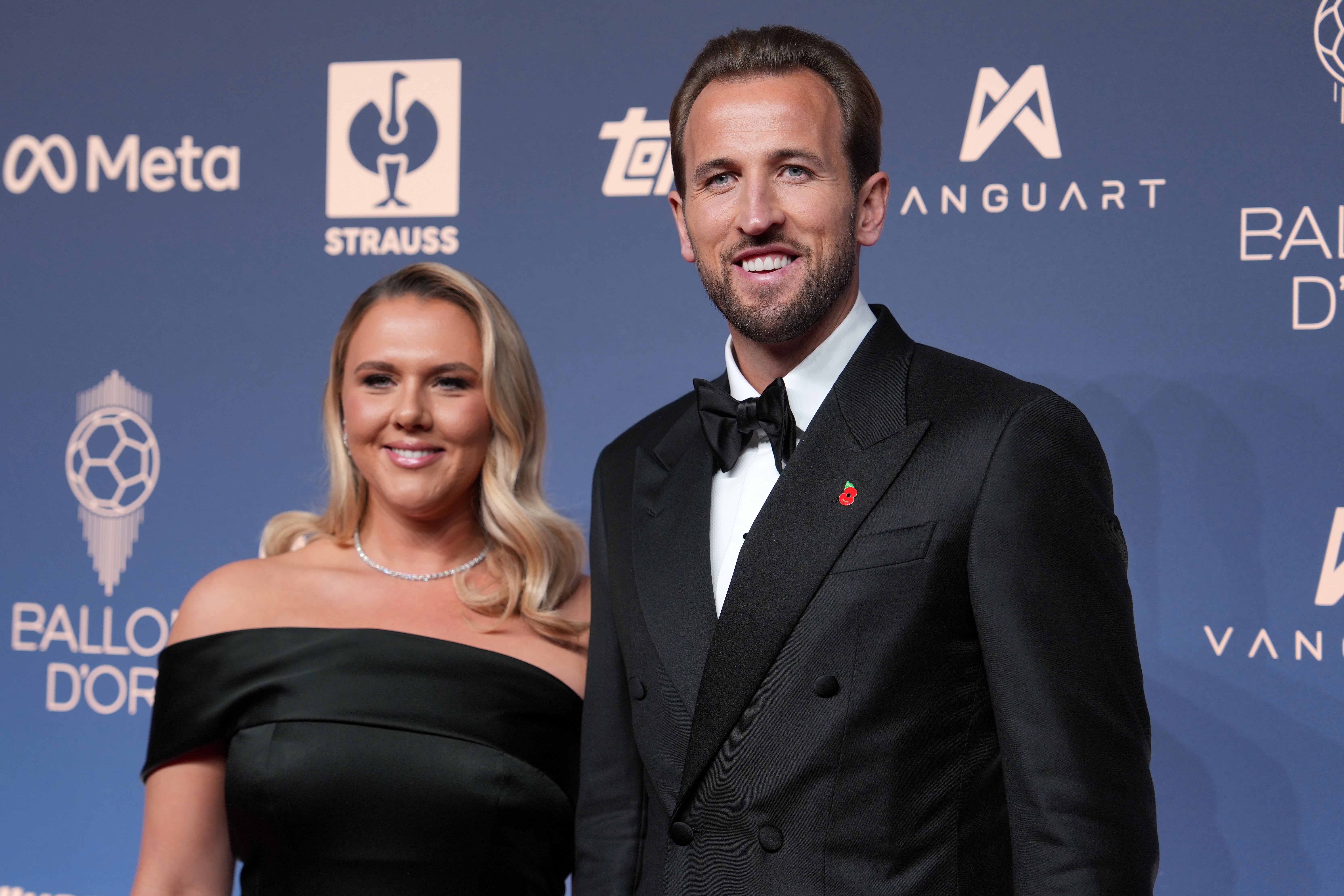
Kane addressed Goodland, his long-term partner and the mother of their four children, as his “best friend” and biggest supporter. He recalled the anxious wait for the result and described the trophy as something they’d pursued together. The language made the award sound less like a sudden arrival than the culmination of a long stretch of work and uncertainty.
“The anxious wait for us to find out, I know it's been horrible for you, here it is - we've done it!” he said. Kane added that Goodland had “sacrifice[d] yourself to help me achieve my dreams,” and said the award wouldn’t have been possible without her. His thanks were specific in one important way: he connected her support to the demands of his career, rather than treating it as a ceremonial compliment.
He made clear he didn’t see the prize as his alone. “This is a trophy that we celebrate, not me. This is me and you, it's all the family, all our close-knit team,” he said, before telling her, “I love you.” That emphasis carries weight at an awards ceremony built around one winner. The recognition may belong to a player, but the conditions that let a career continue often involve people who never take the field.
Thanks to the people who stood by him
Kane also singled out his older brother Charlie, who was in attendance. He spoke about their childhood spent kicking a ball around and watching football, then thanked Charlie for travelling to matches and giving up time with his own family to support him. Those memories offered a glimpse of how a football career can be woven into family life long before the public sees its successes.
His parents were there too. Kane recalled the years they spent taking him to training and watching him play across England and Germany. He said they never pressured him to become a professional, instead teaching him to work hard, improve and keep learning. That distinction is telling: his account presents their influence as steady encouragement, with room for him to develop, rather than a demand for a particular outcome.
“All those traits that you have given me have allowed me to be successful and be here tonight,” he told them. In a speech centered on gratitude, the line also linked the award to lessons that predate it. The trophy marks a moment of recognition; Kane’s account traces its roots to habits and support built over time.
A message for his children
Kane’s four children — Ivy, Vivienne, Louis and Henry — watched from home. The late ceremony had kept them up past their bedtime, he said. He promised to bring the trophy home and celebrate with them, while acknowledging they might not yet understand what the honour means. For young children, the ceremony’s significance may be abstract; the family celebration he promised is something they can share directly.
He described his children as the reason he plays and said he hoped to set an example through his work as both a father and a professional. That gives his remarks a forward looking note: the award is a record of what he’s achieved, but also a chance to show his children how he approaches work and responsibility. A trophy, then, with a lesson attached.
His closing message focused on the values behind the achievement: hard work and belief in yourself. It’s a familiar sporting message, and familiar messages can sound easy from the winner’s stage. Kane grounded it in the people and routines he’d just described, giving the advice a personal frame rather than presenting success as a solo act.
What the speech says about the award
For Kane, the award’s personal meaning rests as much in the support behind his career as in the prize itself. His speech turned an individual honour into a public thank you to the family that shared the long road to it. This is more significant than it looks: an award can isolate the winner from the network behind the performance, while Kane used the platform to make that network visible.
And yet, the speech didn’t erase the individual achievement. Kane won the award after competing against Mbappé and Yamal, and the distinction remains his. The point was that recognition and credit aren’t the same thing. If you’re working in football, or following how elite careers are sustained, that’s a useful distinction to keep in view (and this is the part most people overlook): public success often depends on private support that receives little attention until an athlete chooses to name it.
His account can’t tell us every detail of that support, and it doesn’t need to. It offers a clear picture of how Kane understands the milestone: as a personal honour made possible by shared effort. That framing may be the speech’s most lasting contribution to the night. Not just a winner’s moment.