A personal award with a team story behind it
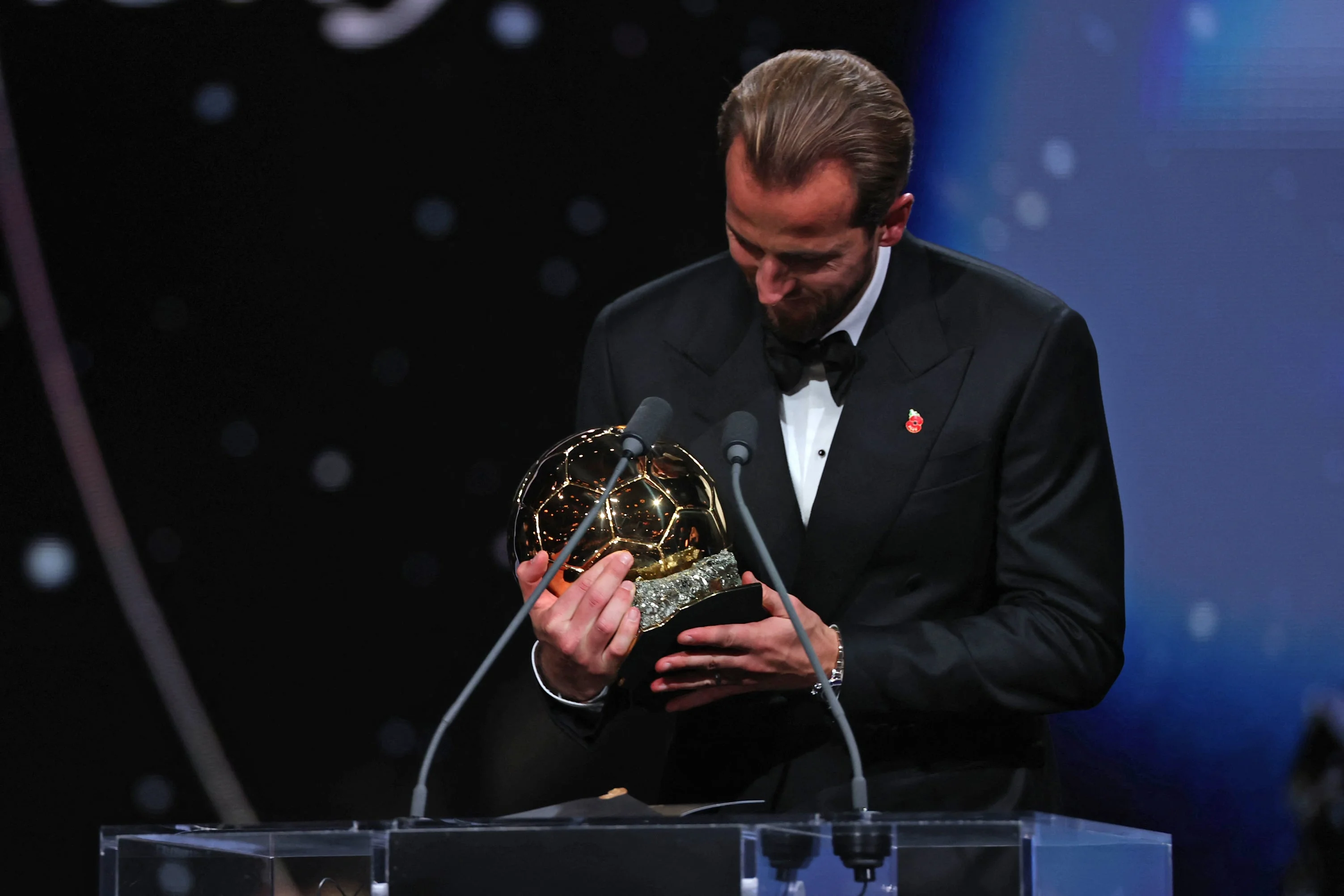
Harry Kane’s Ballon d’Or win puts an individual milestone alongside a landmark season: the Bayern Munich striker scored 73 goals for club and country, then became the first Englishman to claim the award since Michael Owen in 2001. That combination gives the result two meanings. The goal total is the immediate measure of Kane’s season; the gap since Owen’s win makes the award a rare moment in English football history.
Kane beat Lamine Yamal and Kylian Mbappe to the prize at the London Palladium. England manager Thomas Tuchel responded with a message that paired praise for Kane’s performances with pride in his achievement. The ceremony recognised one player, but the response from England’s manager and the Football Association placed the win within a wider national team story.
The distinction matters because individual awards and team achievements don’t always travel together. A striker can score freely while his side falls short, or contribute to a successful team without becoming the season’s most celebrated player. Kane’s award brings those threads together, though the facts here point to a season’s output and a historic honour rather than a full account of how voters weighed his work.
Tuchel praises Kane’s consistency
“I ran out of superlatives to describe your performances a long time ago,” Tuchel said, congratulating Kane on an award he called deserved. He added that he was delighted to see the striker formally recognised by the football world. The wording is emphatic, but it also reflects a familiar challenge for a manager: turning a season of repeated performances into a concise public tribute.
Tuchel’s emphasis on performances suggests that Kane’s case rests on sustained output, not a single defining moment. Seventy-three goals is the clearest detail offered here, and it gives the praise a concrete anchor. Still, a tally can’t describe every part of a striker’s contribution: it doesn’t, by itself, explain how goals were scored, how the player linked with teammates, or what his role demanded from match to match.
That distinction matters for readers trying to understand what an award says about a player. The Ballon d’Or marks the outcome of a comparison among leading performers, while the season’s raw numbers give only one way to assess the work behind it. Here, Tuchel’s tribute fills in some of the human context: Kane is being praised not just for scoring, but for delivering performances consistently enough that his manager says the superlatives ran out.
Tuchel also pointed to the significance of Kane’s place in English football history. “To become the first Englishman to win this huge honour in 25 years makes it extra special,” he said, calling Kane a valued leader for the national team. The long interval since Owen’s award gives the achievement a clear historical frame, even without suggesting that the two players’ careers or circumstances were alike.
Under Tuchel, England reached the World Cup semi-finals, where Argentina ended their run. England finished third after beating France in the play-off, their best World Cup result since 1966. Those results give Tuchel’s praise a team setting: Kane’s award arrives alongside a national side that has reached a significant point in its history under his management.
But the team’s World Cup finish and Kane’s individual honour are separate measures of success. A strong tournament can build a sense of shared purpose, while a personal award identifies one player for special recognition. The two can reinforce each other without being interchangeable. And this is the part most people overlook: a captain’s public standing can grow from both the goals he scores and the way teammates understand his role.
Kane shares the honour with England
The Football Association marked the win by lighting Wembley’s arch gold on Monday night. In his acceptance speech, Kane credited his teammates and England staff, describing the squad’s bond and the time they spent together at the World Cup. The gesture made the celebration visible beyond the awards ceremony and tied Kane’s personal success to the organisation he represents internationally.
That public association is meaningful, but it shouldn’t blur who won the award. Kane received the individual honour; his speech chose to share its meaning with the squad and staff. For a captain, that’s a familiar balancing act: accepting recognition while signalling that success depends on people around him. The gesture also offers a glimpse of what Kane wants the award to represent, though it can’t tell us how each teammate viewed the moment.
“It’s truly an honour to captain you, lead you,” Kane said. “It makes me extremely proud so this one is for all of us, for sure.” He thanked Tuchel and the England staff for their leadership and high standards, and acknowledged FA chair Debbie Hewitt and the wider organisation. His comments extended the circle of credit from the players on the pitch to the people who manage and support the team.
The speech also connects the award to the World Cup experience, which Kane described through the squad’s bond and time together. That’s not a claim that every player contributed in the same way, or that a team’s shared experience guarantees future results. It’s a captain’s account of what mattered to him. In a ceremony built around individual recognition, that emphasis gives the moment a distinctly collective tone.
What the award means for England
This is more significant than it looks. The first English Ballon d’Or winner since 2001 gives England’s captain a distinction that can shape how this period is remembered, especially alongside the team’s World Cup finish. Yet an award can’t settle the larger questions around a national side: whether it can maintain its form, how its players will perform in future competitions, or what this result will mean to supporters over time.
For Kane, the immediate challenge is simpler and more familiar: returning from a major personal celebration to the work of scoring goals and winning matches. Tuchel’s message explicitly looks in that direction, while also urging Kane to enjoy the occasion with his loved ones. Here’s the thing: the award marks a peak, but a football career keeps moving through ordinary matches, changing responsibilities and new demands.
If you’re working in this space, the clearest takeaway is the way the story links measurable output, historical rarity and team identity without making them the same thing. The 73 goals explain why Kane’s season stands out in the account; the comparison with Owen explains why the award carries particular weight in England; and his speech shows how he chose to frame the achievement. The numbers here are striking, but the award’s longer meaning will depend on what comes next.
Tuchel’s message ended with a nod to what comes next: he expects Kane to enjoy the moment with his loved ones, then return to scoring goals and winning matches. For England, the award gives its captain a rare personal accolade to carry into the next chapter with the team. A landmark, then. The work continues.