We checked in with U.S. Hall of Famer and World Cup veteran Tab Ramos following the USA’s round-of-16 exit from the 2026 World Cup with a 4-1 loss to Belgium.
SOCCER AMERICA: No matter where they were sitting or standing for the USA-Belgium game, everyone was baffled at how poorly the USA started that game. First question on USA-Belgium: This World Cup’s hydration breaks even gives the coach three minutes in each half to share his wisdom and advice … Shouldn’t the USA have been able to correct what was plaguing them?
TAB RAMOS: It was definitely a slow start but sometimes that happens to one team or another.
The alarming part was the minutes kept going by and the U.S. team never settled into the match. It was obvious that the pressure on the ball was not working and the team was just chasing. The team likely should have fallen into a low block, allowed Belgium to keep possession, and get back into the game by not giving anything away.
SA: With your long experience as a player and a coach, can you account for why a team riding such strong momentum could have such a dramatic collapse and how could it be prevented?
TAB RAMOS: It’s hard looking from outside without full context. Sometimes teams just have slow starts and you can’t explain why. A home World Cup comes with lots of distractions and obligations. If you take the foot off the gas just a little you can get run over.
Interviews, appearances, family and friends are all acceptable distractions but you can’t lose focus on the most important task, winning games. Opponents keep getting harder and there is less room for errors. In addition, the Folarin Balogun situation became the focus and key extra motivation for Belgium.
SA: Theories on the USA’s poor performance include the players getting stage fright because this was the biggest game of their careers and all the attention it was getting. And on the other side of the spectrum: they were overconfident because they had seemed to be doing so well, while Belgium had not impressed so much (eg: tying Iran and Egypt in the group stage). Do you have a theory on how their mental state may have affected their performance?
TAB RAMOS: These are all plausible, but ultimately this was the fifth game of the World Cup, not the first. I don’t think that the importance of the game made a difference. The team has experienced players. Most on the field were playing their second World Cup.
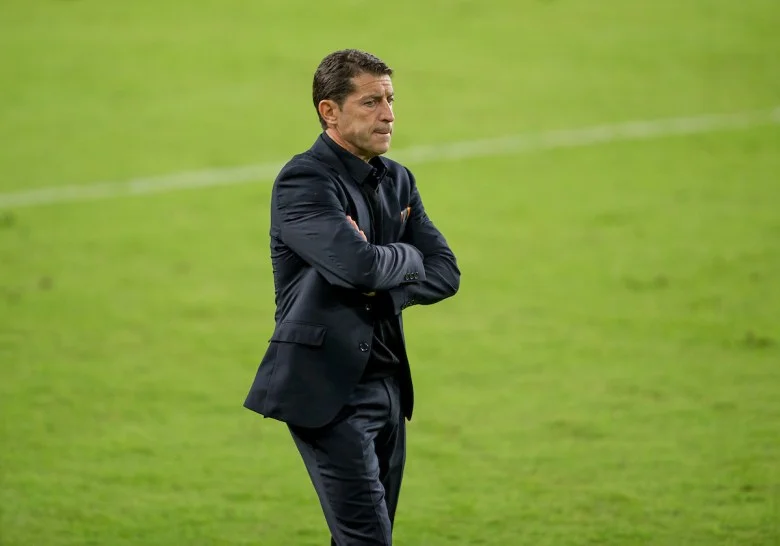
SA: Is there something coaches can do to prevent players from being either overconfident or overly nervous ahead of the game? Perhaps that’s another way of asking how much fault lies on Pochettino for how his players folded against Belgium.
SUBSCRIBE TO KEEP READING
Start for $0 & enjoy free unlimited access for 30 days.
- Daily TV listings for U.S. and global soccer.
- Inside access to USA’s 2026 World Cup prep.
- Exclusive interviews with players and coaches.
- Expert analysis of top soccer headlines.
- Cancel anytime.
Already have an account? Sign in here.
CHECK OUT MORE STORIES



Not ready to subscribe? Sign up here for our free newsletter.
Already have an account? Sign in here.