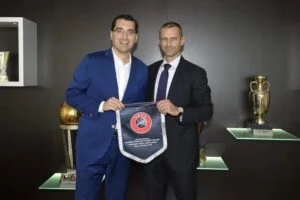
Support for Čeferin Grows Amid Uncertainty
On May 26, the Romanian Football Federation (FRF) signaled a pivotal moment for UEFA's future by expressing unanimous support for Aleksander Čeferin’s potential re-election as president for the 2027–2031 term. This backing represents more than mere politics; it suggests a consolidated belief within key federations that continuity in leadership could be paramount during a turbulent era for European football. With various pressing challenges on the horizon—from the financial strains due to ongoing recovery from the pandemic to regulatory scrutiny—having a steady hand at the helm is viewed as highly desirable.
The Complexity of Current Challenges
Football governance is not merely about leadership; it reflects a complex web of interests. If you're working in this space, you'll recognize that federations are balancing the demands of clubs, players, and media. Issues like European Super League aspirations, domestic leagues’ funding, and UEFA's financial fair play regulations are creating an escalating pressure cooker. Hence, Čeferin’s prior statements about retirement, seen as a sign of his waning influence, could actually reflect his awareness of these complexities. His eventual potential re-election might symbolize a strategic choice by federations opting for stability rather than embarking on the uncertainty that would accompany a leadership change.
Political Dynamics Behind the Support
Although Čeferin declared in 2024 that he might not seek another term, the apparent absence of strong candidates to challenge him reveals much about the current political climate in European football. Typically, when a high-profile position like this opens up, you’d expect several contenders to emerge, each with their own vision of progress. Instead, the lack of viable alternatives has led to a wave of informal encouragement from various national federations for him to reconsider. This situation presents an intriguing dilemma: on one hand, his earlier commitment indicated a departure, but on the other hand, the growing consensus among football authorities suggests they see him as the safest bet in uncertain times.
The dynamics at play here are worth a closer look; they signal not just a preference for Čeferin but reflection of broader strategic considerations as federations navigate challenges ahead. With UEFA facing unprecedented scrutiny and restructuring anxiety—issues that could redefine the organization’s role within global football—the stakes are higher than ever. The seemingly unanimous support from the Romanian Federation could act as a bellwether, potentially galvanizing similar expressions of support from other federations as they recognize the peril of a leadership vacuum.
The Continuity Question
Considering the challenges surrounding UEFA and European football in general, there's an argument to be made for maintaining consistency in leadership. That said, a healthy governance model demands new perspectives and fresh ideas. If federations are rallying behind Čeferin for fear of instability, they may inadvertently be stifling the introduction of vital changes needed to address pressing issues. While stability can be a shield against disruption, it can also serve as a barrier to necessary innovation.
In a way, this dynamic reflects a broader trend across institutions: when faced with difficulties, standing pat might seem like the safest option, but it risks complacency. The looming deadline for candidacies raises questions about whether Čeferin will feel the pressure to renew his commitment or whether the federations will continue to let the status quo dictate their choices. The absence of formal announcements from either Čeferin or potential contenders keeps everyone on edge.
Implications for UEFA's Governance and Future
What this means for you, the avid follower of football governance, is this: we're in a critical juncture. The future configuration of UEFA and its leadership could pivot sharply based on the next steps taken in this election cycle. Will federations coalesce around a singular vision, or will the tug-of-war between tradition and progress ultimately reshape the structure of leadership? The situation is fluid, and each passing day brings fresh rumors, speculations, and potentially, additional endorsements.
This evolving narrative carries implications not just for UEFA but for the broader football ecosystem. As major issues regarding financial regulations, reformative approaches to player welfare, and strategies for global competitiveness come into play, the outcome of this political drama could dictate the terms of engagement among clubs, leagues, and governing bodies in years to come. Federations must weigh the immediate advantages of stability against the long-term benefits of new leadership. Will they act, or will they let opportunity slip away?
The post Romanian FA declares for Čeferin, but Čeferin has still to declare for UEFA appeared first on Inside World Football.